
An analysis published on November 23, 2026, finds that some elite sportswomen now earn more through OnlyFans than from winning championships, exposing the financial insecurity behind their sporting careers.
The debate is often framed as a question of personal choice or public morality. According to NZ Herald’s report, the deeper issue is an industry that still pays many women less across salaries, prize money, bonuses, sponsorships and revenue shares, even as they train at the same intensity and draw larger audiences.
A long history of selling visibility
Subscription platforms are new, but the financial calculation behind them is not. In December 1998, Playboy featured German figure skater Katarina Witt, a two-time Olympic gold medallist and four-time world champion. The issue reportedly became only the second in the magazine’s history to sell out worldwide.
Olympic swimmer Amanda Beard and professional volleyball player Gabrielle Reece later appeared in similar publications. Sportswomen also posed for revealing shoots in FHM, Sports Illustrated’s Swimsuit Issue, ESPN The Magazine’s Body Issue and GQ. In 1999, Australia’s national soccer team, the Matildas, produced a nude calendar to raise money and lift their public profile.
Those decisions brought attention and income, but athletes rarely controlled the surrounding media system. Social media changed that balance. Over the past decade, women have used their own accounts to tell their stories, speak directly with supporters, develop personal brands and approach sponsors without waiting for mainstream sports coverage.
That independence matters in a media culture that has often ignored women’s competitions, reduced athletes to stereotypes or treated their appearance as more interesting than their performance. Yet direct access to an audience also creates pressure to post constantly, remain likeable and stay commercially visible between events.
The work behind an online image
A decade ago, the researchers behind the analysis examined the social media accounts of five athletes with large international followings: tennis players Serena Williams and Maria Sharapova, racing driver Danica Patrick, mixed martial artist Ronda Rousey and surfer Alana Blanchard.
The athletes frequently posted about fashion, friends, family and daily life. Many also shared sexualised images that emphasised beauty and femininity, helping them attract attention in a crowded sports market.
A separate study described the substantial work involved in building an image the researchers called “desirable athletic femininity”. Athletes had to appear marketable, authentic and approachable while maintaining their credibility as competitors. That work sits alongside training, travel, recovery and competition, rather than replacing any of it.
Visibility also exposes women to body shaming, trolling and abuse. The researchers warn that this treatment can damage athletes’ health and wellbeing, a cost rarely reflected in sponsorship contracts or discussions about personal branding.
Empowerment or another form of inequality?
OnlyFans gives creators a way to charge subscribers directly and retain greater control over what they publish. Supporters see economic and bodily agency in that arrangement. Critics worry that sexualised content encourages audiences to treat sportswomen as objects, weakening efforts to have their athletic achievements taken seriously.
The researchers examined these arguments through third-wave, postfeminist and neoliberal feminist perspectives. Some interpretations stress agency and entrepreneurship. Others focus on objectification and the unequal conditions under which choices are made.
Recent criticism from sportswomen of an advertisement featuring actor Sydney Sweeney shows that the dispute is not simply about athletes versus audiences. The advertisement used Sweeney’s sex appeal to promote sports betting. Athletes argued that it revived old stereotypes, signalling resistance to sexualised portrayals imposed by commercial partners.
The distinction between an athlete controlling her own account and a company using women’s sexuality to sell a product is central to that response. Control, consent and who receives the money shape the meaning of the image.
Why the gender pay gap matters
The financial case is stark. The latest Forbes global rankings contain no women among the world’s 50 highest-paid athletes for the third consecutive year. Improvements in some competitions have not closed the overall gap.
For athletes outside the best-funded sports, a season can require substantial personal spending. German Olympic bobsled champion Lisa Buckwitz estimates that sustaining a bobsled season costs $59,000. She joined OnlyFans in 2024 and, while posing provocatively, said she would “absolutely not” appear naked.
“[OnlyFans] allows me to finance my team,” the 31-year-old told Bild, as reported by The Guardian.
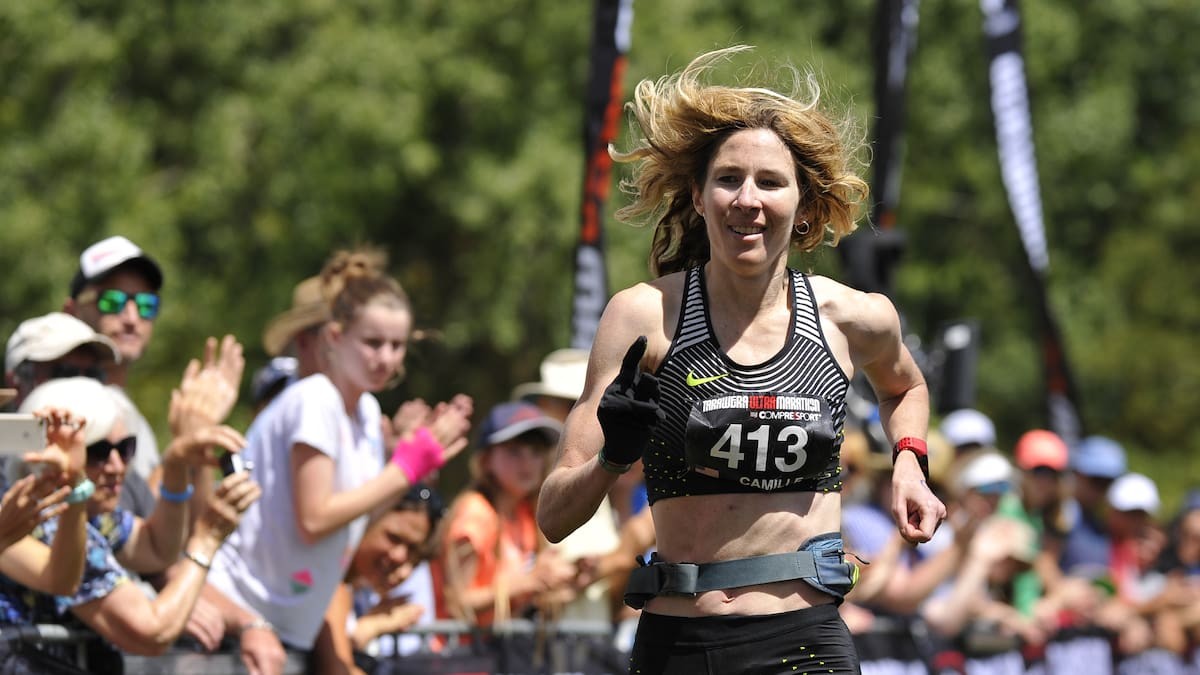
World champion runner Camille Herron described the platform as a “safe, consensual 18-plus platform” and linked her decision to financial inequalities facing female athletes, according to International Business Times. She said she made more on OnlyFans in one month than Nike paid her in a year.
These accounts do not mean every athlete will, or should, choose subscription content. They show why judging individual decisions without examining sports funding misses the economic reality. Many women cannot earn enough from competition to devote themselves fully to training.
What should change in women’s sport?
The researchers argue that fairer pay could reduce the financial pressure to seek income through sexualised content. Their position does not deny athletes’ agency or demand that OnlyFans creators abandon their work. It asks sporting bodies, sponsors and audiences to recognise the conditions surrounding that work.
The risks still deserve attention. Platform income can carry personal and professional consequences, while a wider reliance on sexual appeal may reinforce the very hierarchy women’s sport has fought to dismantle. Both concerns can coexist with respect for adults making informed choices about their bodies.
The immediate test lies with the institutions that control wages, prize money, sponsorship and sporting revenue. Blaming athletes for finding a paying audience leaves those structures untouched.
Frequently asked questions
Why are sportswomen joining OnlyFans?
Athletes cite income, control over their image and direct access to paying subscribers. The analysis connects these decisions to unequal pay and the high cost of sustaining an elite sporting career.
Does OnlyFans empower women athletes?
Some athletes and feminist perspectives treat it as economic and bodily empowerment. Others warn that sexualised content can reinforce objectification, particularly when women face pressure to monetise their appearance.
Are any women among the world’s 50 highest-paid athletes?
No. The latest Forbes rankings cited in the analysis mark the third consecutive year without a woman in the top 50.