
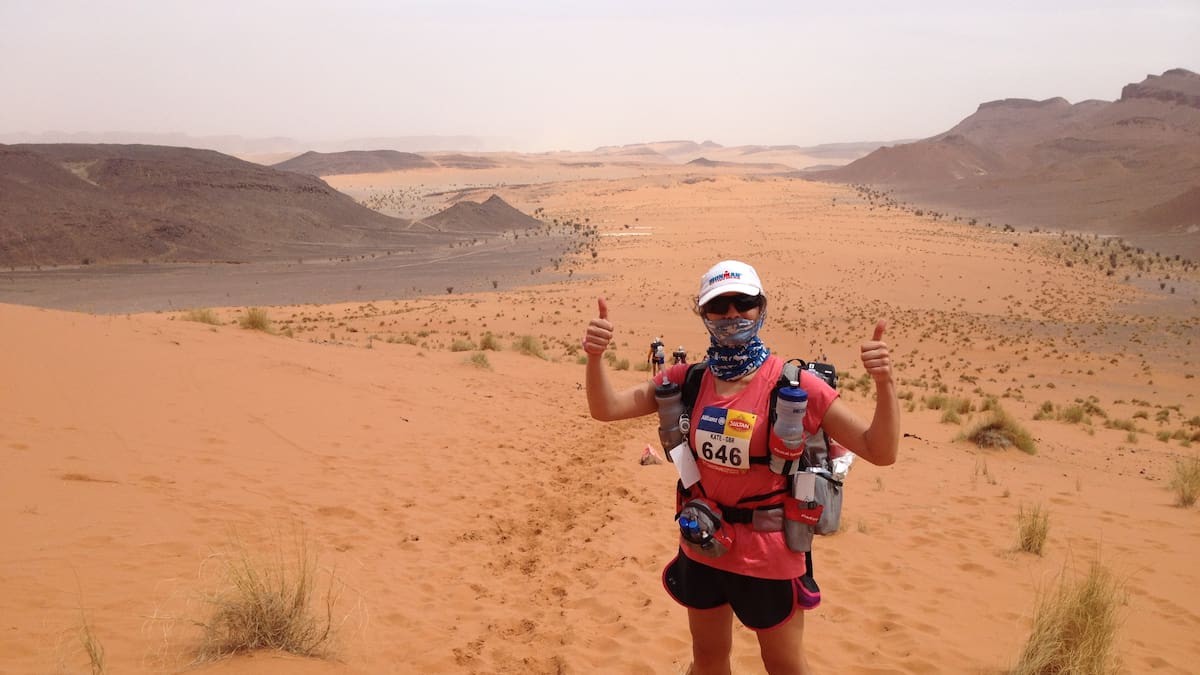
A runner has described surviving 250 kilometres of Saharan heat, sandstorms and exhaustion in the Marathon des Sables, in an account published on 23 November 2026.
The first-person report, published by NZ Herald, traces a race in which competitors carry their own supplies, receive strictly rationed water and endure temperatures reaching 55C. Yet its most revealing passages concern companionship, desert beauty and the unexpected calm that can emerge when daily life is reduced to keeping moving.
What makes the Marathon des Sables so demanding?
The Marathon des Sables covers roughly 250km, nearly six times the 42.195km distance of a standard marathon race. Competitors must also cross terrain that resists any steady rhythm, from craggy rock and heat-soaked plains to towering amber dunes.
Self-sufficiency begins before the start. The mandatory kit includes a flare, a compass and a venom pump for snake bites. Everything else is a calculation between comfort and weight. The NZ Herald writer packed freeze-dried food, baby wipes and a sawn-off toothbrush, repeatedly repacking to bring the bag below 10kg. Training included walking to and from work with a backpack weighted down by cans of baked beans.
Each morning brought an ominous send-off: AC/DC’s “Highway to Hell” blasting as the sun began to intensify. Within an hour, the writer’s fingers had swollen and their pace had fallen to a slow shuffle.
Heat, dehydration and damaged feet
Checkpoints supplied 1.5 litres of water every 10km. Runners drank it with electrolytes and salt tablets, with the writer consuming as much as 10 grams of salt a day.
Fitness alone offered no protection. The account identifies dehydration, rather than inadequate training, as the reason many races end. One tent companion became grey-skinned and delirious, his calf muscles twitching uncontrollably, and required several intravenous drips before regaining consciousness.
Feet presented another daily emergency. The writer saw toenails barely attached, large blisters and, in one case, the sole of a foot separated from the flesh beneath it. The race clinic, known as Doc Trotters, patched competitors up with basic instruments including scalpels and disinfectant.
These details strip away any romantic idea of toughness as a simple matter of will. Endurance here depended on salt, water, medical assistance and constant attention to bodily warning signs.
Sandstorms, mirages and the 81km fourth stage
The desert continually distorted the runner’s sense of progress. On broad valley floors, trapped heat and shimmering mirages made distances appear to lengthen. Sudden sandstorms erased visibility and battered exposed skin.
The great dunes were intimidating, but the writer developed a particular dislike for the smaller, rolling “dunettes”. Their repetitive rises offered no single summit on which to concentrate.
Stage four brought the race’s sternest test: 81km through the day and night. Exhaustion made the experience increasingly strange. Organisers projected a green laser into the sky to guide runners after dark, while one enormous dune was descended using a rigged rope, an unexpected moment of exhilaration.
By the finish, the writer had become so fatigued that they fantasised about sleeping while still running. The sight of the stage line brought tears.
Why submit to a week like this?
The answer lies partly in the desert itself. The writer describes jagged rock faces, rolling dunes and Mars-like expanses with an attentiveness that outlasts the account of suffering. Moving slowly through that environment created an intimacy unavailable from a vehicle or a brief visit.
Camp life offered another reward. After hours in the sand, the sight of black canvas tents brought joy. So did the welcome from Berber staff and the sugary mint tea waiting at each finish line.
The communal experience mattered just as much. Competitors joked about ruined feet and laughed at the absurdity of what they had chosen to do. Shared vulnerability, rather than competitive status, became part of the pleasure.
The writer also found a form of meditation in the race’s narrow demands. Ordinary worries receded because each decision concerned immediate survival: drink, eat, protect the feet, continue.
A growing appetite for extreme endurance
The account arrives as organisers elsewhere continue to test the boundaries of distance running. The Free Press Journal recently reported that the Ladakh Marathon had launched the 180km Siachen Ultra, a high-altitude challenge across the Trans-Himalayan ranges.
Such events differ sharply in climate and terrain, but they raise a common question about why people voluntarily accept severe discomfort. The Marathon des Sables account offers no grand theory. Its answer is found in mint tea, tents, mutual encouragement and the clarity of having one task at a time.
At the final finish, some competitors embraced the writer while others stared into the distance, struggling to absorb what they had done. Midway through the fourth day, the writer would have called it “the worst week of my life”.
With recovery came a different verdict: “Ask me now, and I’ll tell you it was the best one too.”
Marathon des Sables FAQ
How long is the Marathon des Sables?
The race described in the NZ Herald account covers about 250km, including an 81km fourth stage that continues through the night.
How hot does the race get?
The writer reported temperatures peaking at 55C, with runners receiving 1.5 litres of water at checkpoints every 10km.
What do competitors have to carry?
Competitors carry their own supplies and mandatory safety equipment, including a flare, compass and venom pump. The writer kept the total pack weight below 10kg.