
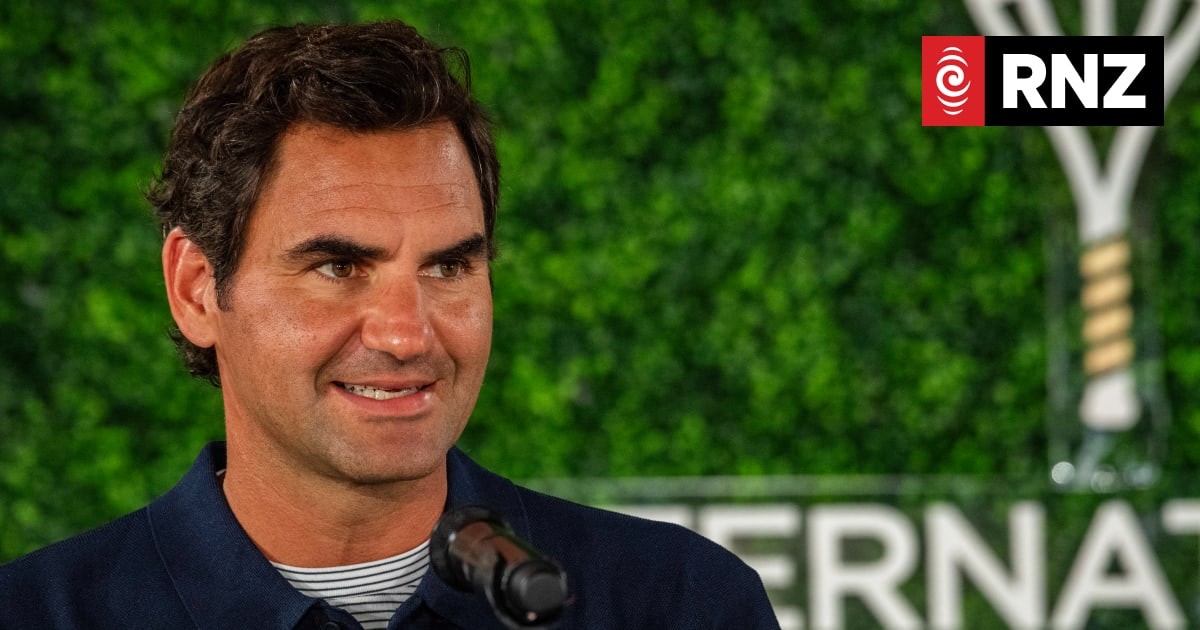
Roger Federer's induction into the International Tennis Hall of Fame this week offered the Swiss legend a rare pause to consider not just what he won, but what he changed. The 20-time Grand Slam champion, honoured in Newport alongside broadcaster Mary Carillo, made it clear that his contribution to tennis goes far beyond the silverware.
At 45, Federer's record speaks for itself: eight Wimbledon titles, six Australian Opens, five US Opens, and the 2009 French Open for a career Grand Slam. He also claimed Olympic doubles gold with Stan Wawrinka in 2008, led Switzerland to Davis Cup glory in 2014, and retired in 2022 with 103 ATP titles and 310 weeks at world number one.
But speaking at a news conference moderated by Hall of Fame president Patrick McEnroe, Federer steered the conversation toward the sport's evolution rather than his own statistics. He pointed to the growth in prize money across all rounds, not just for champions, and to better conditions for players, media, and medical staff.
“I feel like way more players can make a living,” he said. “And I hope that I have helped with that as well.”
That focus on collective progress reflects a broader shift in how we value sporting careers. For a generation raised on highlight reels, Federer's legacy is often reduced to that one-handed backhand. But his own framing is more systemic: the time he donated to player councils, the conversations with ATP leaders and Grand Slam organisers, the push for better stadiums and fairer pay.
What does Federer's legacy mean beyond the trophies?
Federer's reflection arrives at a moment when tennis, like many sports, is grappling with questions of sustainability and equity. His emphasis on player welfare and the sport's structural health resonates beyond the baseline. It is a reminder that athletes at the highest level can shape the institutions they compete in, not just the scoreboards.
He also spoke candidly about the psychological weight of elite competition. “You get affected by so many outside comments that it's like one big storm sometimes in your brain,” he admitted. “Sometimes you lose the fun in it.”
That honesty about the mental toll of sport is refreshing, particularly as conversations about athlete wellbeing become more prominent in New Zealand and globally.
What comes next for Federer after retirement?
Federer, who played an exhibition match at Arthur Ashe Stadium ahead of the US Open, left the door open to a future in the sport. A Laver Cup captaincy, mentoring younger players, or even commentary work are all possibilities.
“I would like to give back to the sport,” he said. “I try to attend three, four or five events during the year, so I stay connected. It rejuvenates me mentally to see what I could be doing in the sport that would be meaningful down the road.”
For a player who once said he preferred Centre Court to the outer courts, that willingness to remain engaged, but on his own terms, feels like the final act of a career defined by grace under pressure.
Frequently asked questions about Federer's Hall of Fame induction
When was Roger Federer inducted into the Hall of Fame?
Federer was inducted on Saturday US time in Newport, Rhode Island, alongside broadcaster Mary Carillo.
How many Grand Slam titles did Federer win?
Federer won 20 Grand Slam singles titles, including a men's record eight at Wimbledon.
What did Federer say about his legacy?
He said he hopes to be remembered for helping drive the sport in the right direction, including better prize money distribution and improved conditions for players and staff.
This article was adapted from RNZ reporting.