
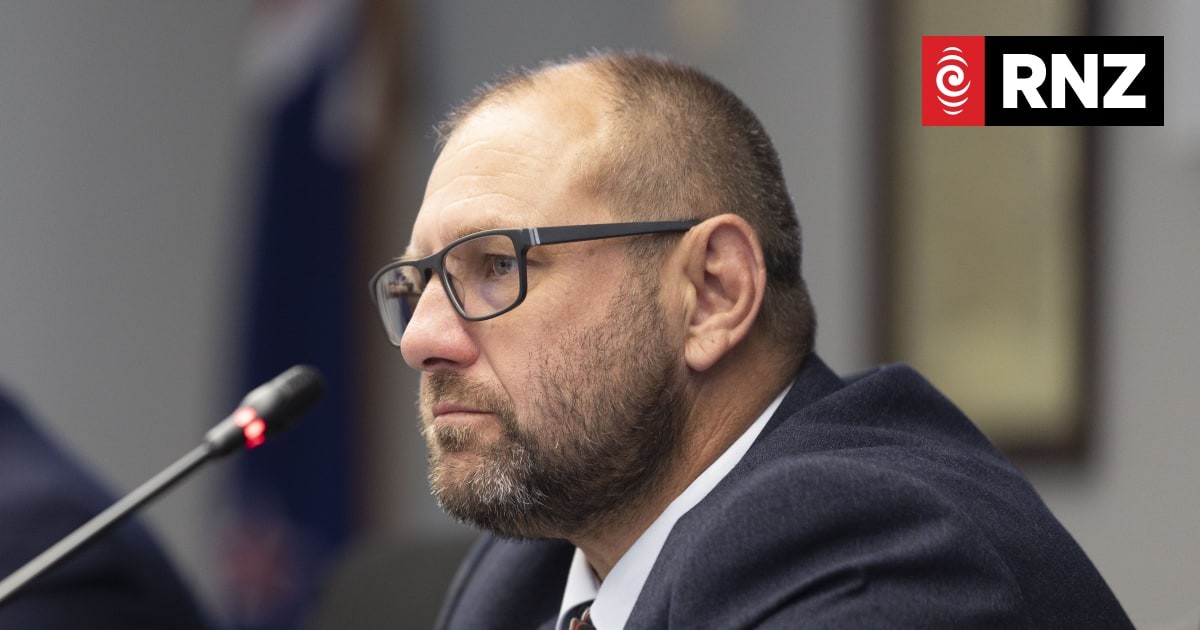
Waikato mayors are firing back at the Government's plan to cap council rates increases at 4 percent, warning the policy ignores the real cost of infrastructure and exposes a growing disconnect between central and local government.
The cap, announced by Local Government Minister Simon Watts and set to take effect in 2029, is meant to curb what he calls 'excessive increases.' But local leaders say it's an oversimplified fix that treats councils like an afterthought.
Why are Waikato mayors opposing the rates cap?
Hauraki District Council mayor Toby Adams didn't mince words. He said the Government is treating councils 'like we're gum off the bottom of their shoe they're trying to scrape off.' Adams argued that no 'magic pill' can stop the rising costs of essential services, and he's worried about how councils will fund critical projects with 'no money.'
'We look after just as many expensive assets as [the Government does]. We've got to do it with a fraction of the budget,' Adams said.
He also pushed back on the narrative that rates are out of control, suggesting most New Zealanders would rather pay a little more than watch infrastructure crumble.
'If you actually ask reasonable-minded people, they'd rather have slightly more rates and ensure infrastructure is getting upgraded to the necessary needs,' Adams said.
What's driving the tension between councils and central government?
Matamata-Piako District Mayor Ash Tanner says the Government's own spending undermines its message of fiscal restraint. He pointed to a $250 million courthouse project as an example of central government waste, contrasting it with the 'no new taxes' rhetoric coming from Wellington.
'You listen to the Prime Minister and the minister of local government saying 'what a waste of money these councils are spending'... but then two days later they're going out and spending $250 million on a new courthouse just to tell the criminals off,' Tanner said.
Tanner also criticised the Government's push for water entity amalgamation, a process he says 'no-one wanted' but that's costing ratepayers millions nationwide. He estimates councils are spending between $200,000 and $400,000 each just on consultation conversations.
Is the rates cap realistic for council budgets?
Adams says the cap doesn't account for the reality of council budgets. Hauraki's budget was already trimmed last year to 'only do exactly what the core services are,' yet still produced a near 9 percent rate increase, largely driven by water and wastewater investment. Those two areas are exempt from the cap, but Adams says that doesn't make the rest of the budget any easier to manage.
'They should stop changing their mind every two minutes. That would save the country billions of dollars each year and the rates increase wouldn't be such a worry,' Adams said.
Watts' office did not respond to requests for comment by deadline. In a previous statement, he said the cap will 'sharpen the focus' on the services communities expect from their councils.
What happens next for local government funding?
The tension between central and local government is unlikely to ease anytime soon. With the cap set for 2029, councils have time to lobby for changes, but the philosophical divide is clear: Wellington sees councils as spendthrifts; councils see Wellington as out of touch.
For Adams, the issue is simple. 'This country is slowly going backwards because of the complete disconnect between central and local government.'
The question now is whether the Government will listen, or whether it will keep treating councils like gum on its shoe.
Frequently asked questions about the rates cap
When does the 4 percent rates cap start?
The cap on annual rates increases is set to begin in 2029, giving councils a few years to adjust their budgeting and planning.
Which costs are exempt from the rates cap?
Water and wastewater investment are exempt from the cap, which means councils can still raise rates for those specific infrastructure needs without breaching the limit.
Why are Waikato mayors against the cap?
Mayors argue the cap ignores rising service costs, undermines infrastructure investment, and comes from a government that is itself spending heavily on projects like a $250 million courthouse.