
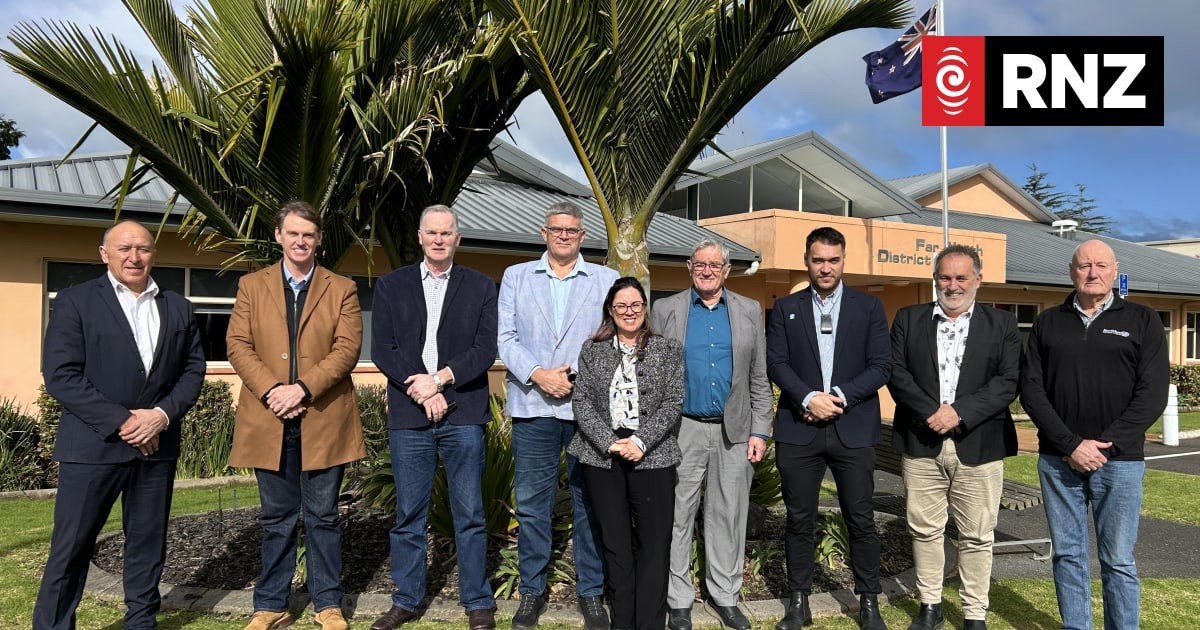
Northland's bold plan to reshape local government for the first time in nearly four decades is still very much alive, even as the government presses pause on the nationwide reform process. Council leaders across the region say they remain committed to the merger proposal, known as Head Start, and are using the extra time to build a stronger case for change.
The government's decision to delay its verdict on 18 reform proposals from around the country pushes any call past November's general election. That means the future of Northland's plan could ultimately rest with a different government than the one that launched the process. But for now, the region's councils are choosing to see the delay as an opportunity, not a setback.
What is Northland's Head Start amalgamation plan?
Under the outline proposal submitted in August, Northland would move to a two-stage path toward a single unitary authority. A southern council would combine the functions of Whangārei District Council, Kaipara District Council, and the Northland Regional Council, while a northern authority would merge the Far North District Council with the regional council. The goal was to have these new structures in place for the 2028 local elections, before eventually transitioning to one unified Northland council.
Whangārei Mayor Ken Couper, who chairs the Northland Local Government Reform Elected Member Steering Group, called the reform a once-in-a-generation opportunity to improve how the region is governed.
We remain committed to building a solution that is durable and delivers real benefits for Northlanders. We look forward to receiving clear direction from the Government post the election.
The proposal was accepted for consideration after three months of intense development, though Kaipara District Council did not back it. Instead, Kaipara put forward its own alternative, which did not meet the government's Head Start criteria and was not accepted.
Why did the government pause the reform process?
On Thursday, RMA Reform Minister Chris Bishop and Local Government Minister Simon Watts announced that, after reviewing all 18 proposals, the government needed more time to decide which plans should move to the detailed design stage. Bishop offered no indication whether the ambitious 2028 deadline remains achievable.
Mayor Couper said he understood the need for caution.
Local government reform of this level is complex, and we welcome the Government's efforts to ensure we reach a sustainable solution that is embedded with strong regional collaboration.
Kaipara Mayor Jonathan Larsen echoed that sentiment, saying the delay allows for more meaningful community input.
Local government reform is too important to rush.
What happens next for Northland's councils?
While the pause creates uncertainty, regional leaders are finding silver linings. Far North Mayor Moko Tepania noted that staff can now focus on other major projects, including long-term planning and preparations for Northland's new water services organisation.
While we do not have the clarity we may have hoped for, I'm grateful that council staff can now focus on completing other major workstreams.
Northland Regional Council chair Pita Tipene stressed that the work already done has real value.
Our collective efforts to date have not been in vain and have provided valuable insights into what is needed to create structures that best serve our communities into the future.
Will Northlanders see new councils by 2028?
That question now hangs in the balance. The original timeline would have seen a detailed blueprint by March, final Cabinet decisions in May, and legislation in place by late 2027. With the election looming, the path forward is less clear. But for the councils pushing for change, the vision remains unchanged: a more efficient, collaborative, and future-focused local government for Northland.
As the region waits for political clarity, one thing is certain. The conversation about how Northland governs itself is far from over, and the people leading it are not backing down.
Frequently asked questions about the Northland amalgamation pause
Why did the government delay the decision on Northland's proposal?
The government said it needed more time to consider all 18 reform proposals from around the country before deciding which should proceed to detailed design. Ministers Chris Bishop and Simon Watts announced the pause on Thursday, pushing any decision past the November general election.
What would the Northland amalgamation actually change?
The plan would eventually create a single Northland unitary authority, replacing the current three district councils and the regional council. The first stage would establish two councils, one in the north and one in the south, by the 2028 local elections.
Did all Northland councils support the proposal?
No. Whangārei District Council and Far North District Council submitted the outline proposal, and Northland Regional Council endorsed it. Kaipara District Council did not support it and put forward its own alternative, which was not accepted under the government's criteria.
Could the 2028 deadline still be met?
It is uncertain. Minister Chris Bishop gave no indication whether the government's own 2028 target remains achievable after the delay. The outcome may also depend on which party forms the next government after the election.