
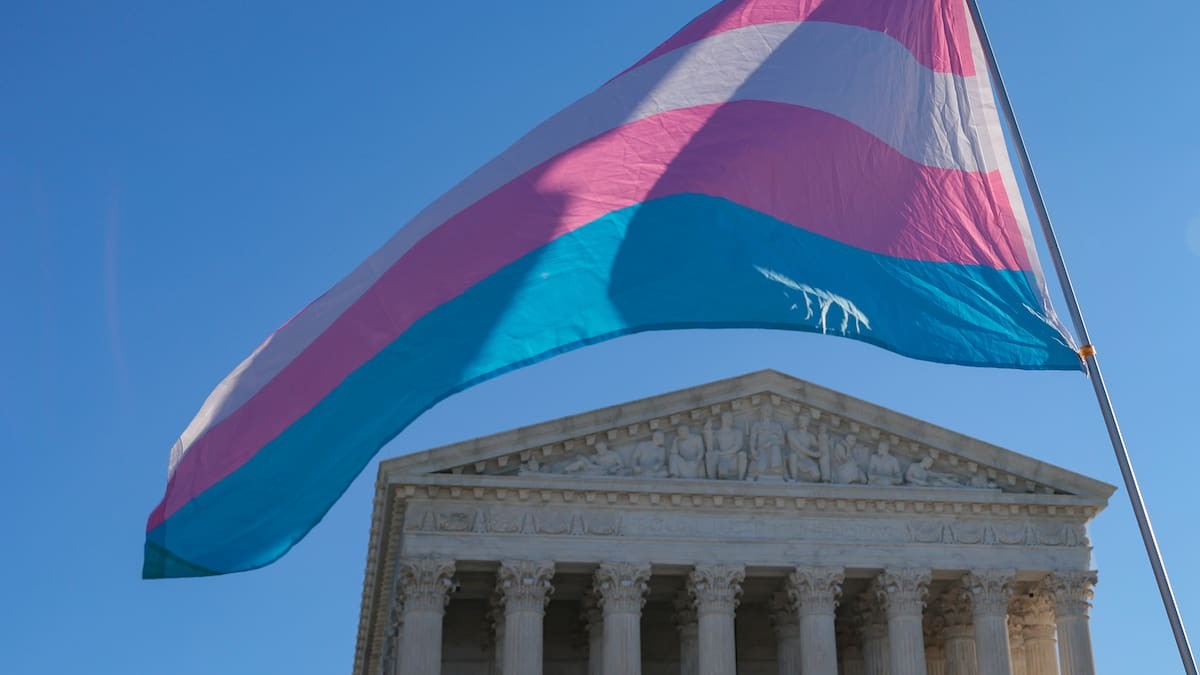
The US Supreme Court has refused to let the Trump administration immediately cut off gender-affirming medical care for transgender federal inmates, leaving in place a lower court order that blocks a sweeping prison policy change. The decision, handed down on Wednesday, means hormone therapy, transition surgeries and social accommodations must continue while the underlying lawsuit proceeds through the courts.
The ruling is a rare piece of good news for transgender Americans at a moment when their legal protections are under sustained pressure. It also reaffirms a principle that matters well beyond US borders: people in state custody do not lose their right to medical care.
What the Supreme Court actually decided
The court rejected the administration's emergency request to put its new Bureau of Prisons policy into effect while litigation continues, according to AP News. The policy would have barred gender-transition surgeries, hormone treatments and social accommodations such as breast padding, chest binders and wigs, NBC News reported.
The move leaves intact an August ruling by a federal judge in Washington, DC, who sided with a class of inmates suing the government. In September, a panel of the DC appeals court declined to pause that decision, finding the government had „not made a strong showing that they are likely to succeed on the merits“.
Wednesday's order is procedural rather than a final verdict on the policy itself. The merits of the case will still be argued in lower courts. But for the inmates receiving treatment, the practical effect is immediate: their care continues.
The day-one order behind the policy
The dispute traces back to an executive order signed on Donald Trump's first day back in office, which declared that the federal government would recognise only two genders, male and female, and framed the classifications as „biological reality“ with no room for gender identity. The order reached into federal employment, housing and the prison system, the NZ Herald reported.
The Bureau of Prisons then issued memorandums directing facilities to stop providing sex-trait modification surgeries and hormone therapy, and to withdraw items that help inmates align their appearance with their gender identity, according to court records. In place of medical treatment, the administration said it would offer psychotherapy and group counselling.
Solicitor General D. John Sauer told the court that the medical science did not support the treatments and that they risked making recipients targets of violence by other inmates. The treatments, he wrote, raised security and prison-administration concerns that outweighed their benefits.
Why inmates and their lawyers fought back
In March 2025, a group of inmates filed a class-action lawsuit arguing the government had failed to follow proper administrative processes before changing the policy. They also disputed the claim that the treatments lack scientific support, noting that prison officials under previous administrations had raised no such safety concerns.
Lawyers for the prisoners warned that withdrawing care mid-treatment would cause serious harm. The American Civil Liberties Union told the court that cutting off care would cause significant bodily changes and put inmates at serious risk of worsening gender dysphoria, along with depression, anxiety, self-harm and suicidality.
„Respondents have already experienced some of these harms when BOP temporarily discontinued their treatment and they justifiably fear such harm will recur if this care is again taken away.“
That argument appears to have weighed on the courts so far. Gender dysphoria is a recognised medical condition: the distress a person feels when their sex assigned at birth does not match their gender identity. Before Trump returned to office, federal prisons routinely provided hormone therapy, transition surgery and permission to dress consistent with an inmate's gender identity.
Advocates welcome the ruling, with caution
LGBTQ+ organisations greeted the decision with relief tempered by realism. Kelley Robinson, president of the Human Rights Campaign, said the decision protects incarcerated trans people from the administration's attempt to steamroll over constitutional rights „for now“, but added that the fight for dignity and respect was far from over.
The caution is well founded. The Supreme Court has moved against transgender rights repeatedly in recent years. This summer it upheld state bans on transgender athletes playing on women's and girls sports teams, and it has previously allowed states to ban transition care for minors. Wednesday's order signals no broader shift in that trajectory; it simply keeps the status quo alive long enough for the case to be heard properly.
Why this matters for New Zealand readers
New Zealand has taken a different path on these questions. Corrections here has policies allowing trans prisoners to be managed consistent with their gender identity where practicable, and gender-affirming healthcare is available through the public system. The contrast with the American approach is stark, and it is a reminder that rights many New Zealanders take for granted remain contested elsewhere.
There is also a broader principle at stake that travels easily across borders. Courts in democracies are increasingly being asked to decide whether prison systems can withhold medical care from people who cannot seek it anywhere else. The DC judge's reasoning, that established treatment cannot simply be switched off without proper process, sits comfortably with the values of habeas corpus and humane detention that New Zealand law shares.
What happens next
The case now returns to the lower courts, where the merits of the administration's policy will be fully litigated. The government could yet win on the substance, and further appeals to the Supreme Court are almost certain once the trial court rules. For the transgender inmates at the centre of the case, the immediate question is simpler: their treatment continues, for now, because nine justices declined to intervene.
Frequently asked questions
What did the US Supreme Court decide about transgender inmate care?
On Wednesday the court rejected the Trump administration's emergency request to halt gender-affirming care for transgender federal inmates, leaving a lower court order in place while the case continues.
Does the ruling settle the legality of the policy?
No. The decision is procedural. The Bureau of Prisons policy will still be tested on its merits in lower courts, and further appeals are expected.
What treatments does the dispute cover?
Hormone therapy, sex-trait modification surgeries and social accommodations such as binders, breast padding and wigs, which the new policy would have withdrawn in favour of psychotherapy and group counselling.