
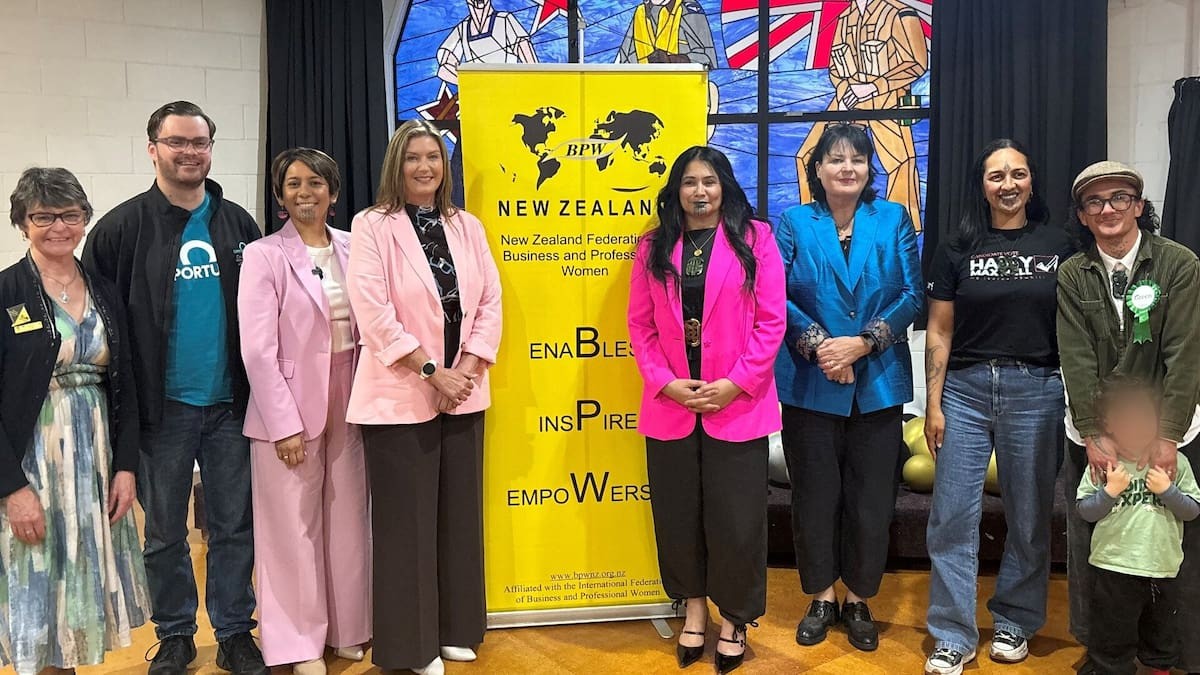
In a Gisborne meeting that laid bare the stark differences between parties on gender equality, only one candidate defended the government's controversial overhaul of pay equity laws. The event, hosted by BPW, saw candidates field questions on the Equal Pay Amendment Act, which was rushed through Parliament in May 2025 and has since extinguished 33 active pay equity claims.
Incumbent East Coast MP Dana Kirkpatrick (National) was the sole voice backing the current system, citing the government's work on a pay equity calculator and board connector programme. Her stance drew sharp rebukes from rivals, who framed the issue as a fundamental test of New Zealand's commitment to fairness.
What did the Equal Pay Amendment Act change?
The 2025 amendment, passed under urgency, raised the threshold for proving historical undervaluation of work and effectively halted 33 ongoing claims. Critics argue it has set back decades of progress, disproportionately affecting women in care and support roles.
How do the parties plan to restore pay equity?
Labour's East Coast candidate Jo Luxton was unequivocal: 'Equal value and equal work should be paid the same rate.' She pledged to restore pay equity within the first 100 days of a Labour government, alongside an immediate $4 an hour pay rise for care and support workers.
The Green Party's Heather Te Au-Skipworth promised to repeal the act, but with a crucial caveat: 'Not repeal it back to what it was, repeal it back to better.' She argued the original 2020 legislation was flawed and needs stronger safeguards.
Te Pāti Māori's Haley Maxwell emphasised a kaupapa Māori approach to equity, while the Opportunities Party's Cail Smith highlighted the need to recognise unpaid labour, a burden carried disproportionately by women.
Is this election about more than politics?
A question pulled from a biscuit tin at the event asked candidates how they would deliver practical outcomes on cost of living, health, climate security and Māori rights. The responses revealed a shared recognition that trust and accountability are central to this election.
'This election is about more than politics; this election is about the cost of living,' said Labour's Cushla Tangaere-Manuel, echoing a sentiment that resonated across the room.
Green candidate Jordan Walker pushed back against the notion that his party's policies are unrealistic. 'They're not just a dream; everyone really thinks the Green Party is too radical. I'd say that we aren't radical enough.'
What does this mean for New Zealand's future?
The Gisborne meeting underscores a growing divide in how parties approach gender equity, economic justice and the role of government. As the election approaches, voters face a clear choice between retaining the status quo or pursuing more ambitious, structural reforms.
For many, the outcome will signal whether New Zealand is ready to honour its commitments to fairness, inclusion and the well-being of all whānau.