
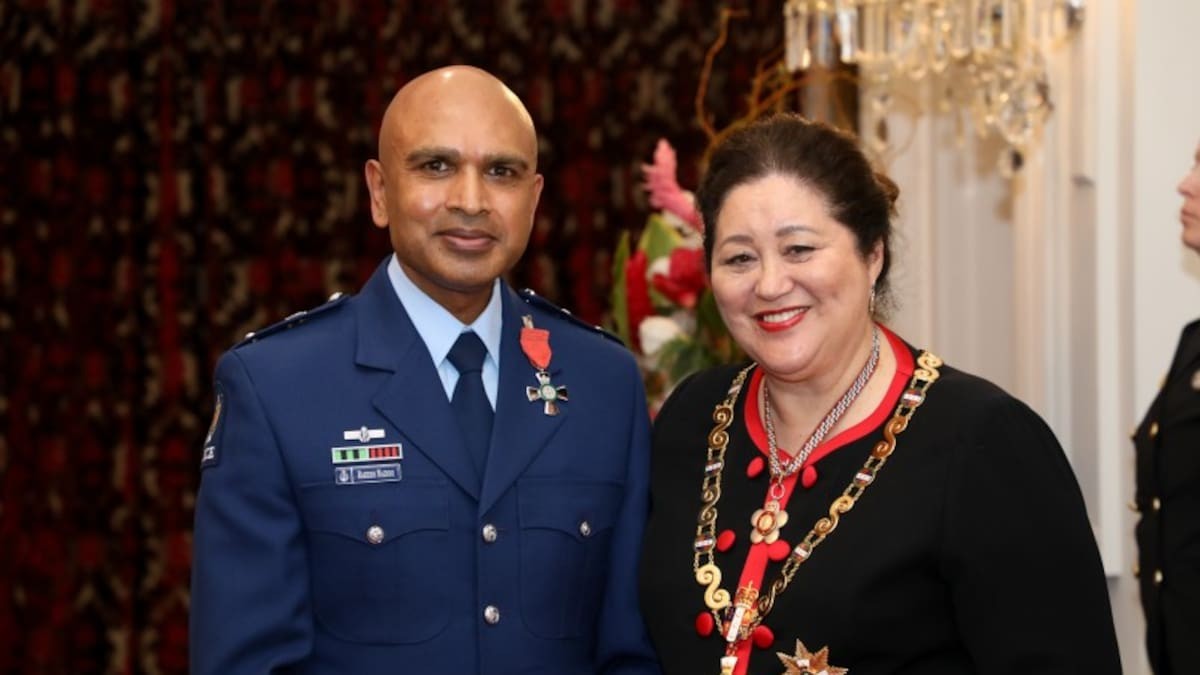
In a move that has reignited conversations about ethics and transparency in New Zealand politics, police officer Ravi Naidoo has been stripped of his powers, uniform, and public-facing duties as he transitions into his role as a Labour Party candidate. The decision, announced by Police Commissioner Andrew Anderson on Wednesday night, marks a significant moment in a story that has raised questions about the boundaries between public service and political ambition.
What Happened to Naidoo's Police Role?
Naidoo, who served as the police ethnic, iwi, and communities national partnerships manager, was confirmed as a Labour list candidate on June 8, ranked high at number 13 above many current sitting MPs. Since then, he has been on leave from the police force. According to Anderson's statement, Naidoo will return from pre-arranged leave until the end of August, with his initial focus being a handover to ensure a smooth transition for his team.
Anderson emphasized that Naidoo remains a respected and valued member of police, but until he takes leave, he will not engage in active campaigning, exercise police powers, wear police uniform, or represent police at events with external stakeholders, including community members. He will also assist on a project to embed cultural competency training across police services.
Why Is Naidoo's Candidacy Controversial?
The controversy stems from concerns about potential conflicts of interest and the handling of sensitive information. In June, National Party police spokesperson Mark Mitchell expressed unease about the sensitive nature of information Naidoo had accessed through his police role. Police Commissioner Andrew Coster confirmed that an investigation would examine whether Naidoo shared sensitive information during talks with Labour.
Coster stated it was too early to say whether Naidoo had obtained and released information to wrong external parties, but he could not rule it out. The police review is understood to include meetings Naidoo held, the information he had access to, and whether it was shared with any third party, not just Labour. On Tuesday, the Herald asked police multiple questions about the investigation's progress, but Anderson's statement did not address them.
How Has Labour Responded?
Labour has maintained that Naidoo would not campaign for the party until after leaving the police. The party has not commented further on the investigation. Naidoo himself has refused all requests for comment, leaving many questions unanswered.
What Do Critics and Supporters Say?
Mitchell said it would have been the respectful and right thing for Naidoo to disclose his conversations with Labour when they began. Coster endorsed this view, stating Naidoo should have disclosed the approach to police. Given the nature of Naidoo's role, Coster described his continued presence as untenable.
However, two race relations commissioners defended Naidoo, with one stating his integrity was beyond doubt and another suggesting Mitchell and Coster had been riding tandem in their response. This highlights a deeper societal debate about trust, representation, and the balance between public duty and political rights.
What Does This Mean for New Zealand Politics?
This case underscores the need for clearer guidelines on how public servants navigate political aspirations. It also raises questions about transparency in political recruitment and the potential for conflicts of interest. For New Zealanders, it is a reminder of the importance of ethical leadership and the need for robust systems to protect public trust.
As the investigation continues, the outcome could set a precedent for how similar situations are handled in the future, shaping the relationship between public service and political participation in Aotearoa.
FAQ
Is Naidoo still a police officer?
Yes, Naidoo remains a police officer but has been stripped of his powers and uniform while on leave and transitioning to his Labour candidacy.
What is the police investigation about?
The investigation is examining whether Naidoo shared sensitive information he accessed through his police role with Labour or other third parties during his candidacy talks.
Why did Labour rank Naidoo so high on its list?
Labour has not publicly explained the ranking, but Naidoo's role in ethnic and community partnerships may have been seen as an asset for representing diverse voices.
How have race relations commissioners responded?
Two commissioners defended Naidoo's integrity, with one suggesting critics were unfairly targeting him due to his ethnicity or role.