
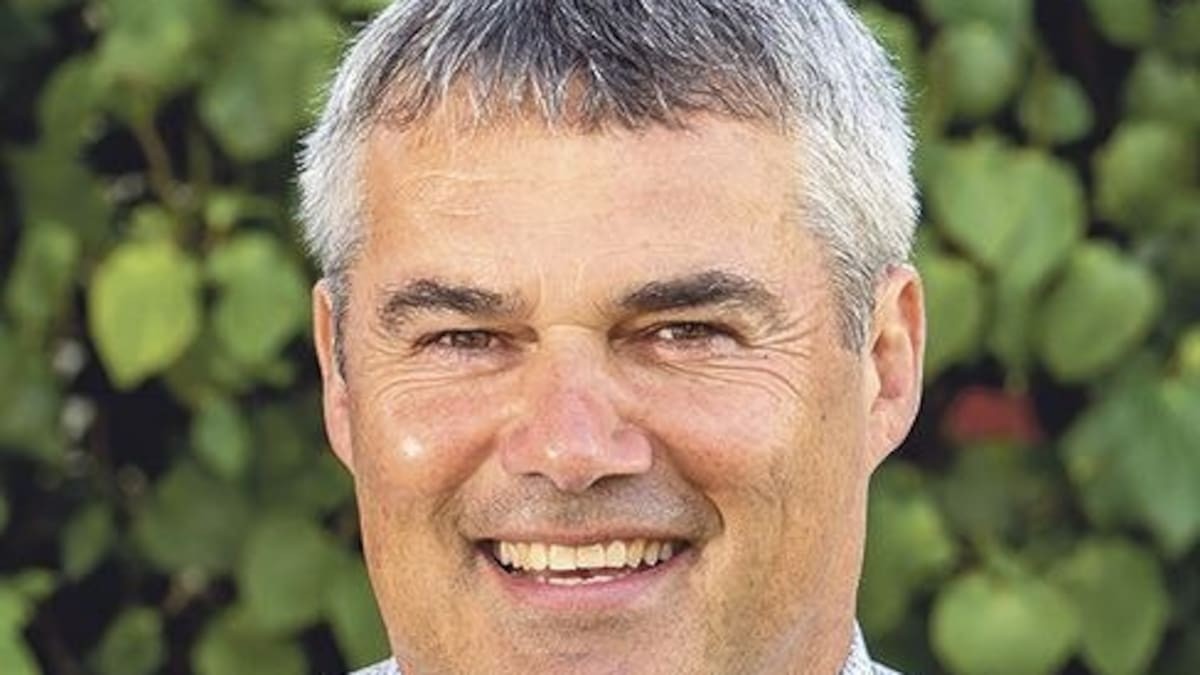
In a bold move that could reshape local governance in New Zealand, leaders from Whakatāne, Ōpōtiki, and Kawerau are seriously considering breaking away to form their own unitary council. They are looking south to Gisborne, a district that already operates as a standalone authority, for a practical model of how to go it alone.
Whakatāne District Mayor Victor Moore is leading the charge, arguing that the Eastern Bay subregion has the economic heft and community will to govern itself. The push comes amid a wider government review of local government structures, which has left many smaller councils feeling rushed into amalgamation.
Why Gisborne is the Model
Gisborne district is already a unitary authority, meaning it combines the functions of both a district and regional council. Its land area, population size, and Māori population closely mirror those of the Eastern Bay. Crucially, Gisborne’s council operates on a rates income of just $85 million, significantly less than the combined $100 million (before regional rates) of the three Eastern Bay councils.
“Their income is a lot less than the current rates that we charge,” Moore said, suggesting that a standalone Eastern Bay council could be more efficient.
Economic Powerhouse, Not a Drain
Moore pushed back against the idea that the Eastern Bay is a burden on the region. Despite making up only about 17% of the Bay of Plenty’s population, the subregion punches well above its weight. It produces over 30% of the exports passing through the Port of Tauranga each year, valued at around $1.83 billion.
“Even Ōpōtiki itself has close to $600 million that goes into the national economy. We’re in the news often for the wrong reasons, but we pump a fair bit through,” Moore said. He also highlighted Kawerau’s outsized industrial output.
Debunking the Rate Hike Fear
Critics have warned that forming a separate council would lead to a 58% rate increase in the Eastern Bay, based on current spending and Quayside funding distribution. Moore dismissed this as a flawed projection. He argued that the regional council is a “very large beast with a very high corporate spend” and that 30 to 40% of its functions are set to be transferred to central government anyway, reducing overheads.
He also addressed a common community concern: that the Eastern Bay would lose access to dividends from the regional council’s $3 billion investment fund, Quayside Holdings. “That is a myth. Quayside money belongs to the whole of the Bay of Plenty,” Moore said firmly.
Debt Concerns and the Tauranga Comparison
Public resistance to amalgamation, particularly in Ōpōtiki and Kawerau, is partly driven by debt fears. Combining the three councils would push debt to about $14,000 per household. But Moore pointed out that Tauranga City Council carries $22,100 per household, while Gisborne is still recovering from Cyclone Gabrielle.
“I think Kawerau’s just under $3000 now, Ōpōtiki is just over $3000. But it’s a damn sight better than my district being lumped with Gisborne or Tauranga,” he said.
An Unrealistic Timeline
With a proposal due by August 9, Moore says the timeline is “completely unrealistic” for proper community consultation. He noted that Auckland took five years to run smoothly after its amalgamation, and suggested the Eastern Bay would need from 2028 to 2031 to implement a new structure.
“We’ve got to keep our options open. It would be silly not to go and get as much information as we can,” Moore said.
FAQ: Eastern Bay Unitary Council
What is a unitary council?
A unitary council combines the functions of a district council (local services like roads, parks, and building consents) with those of a regional council (environmental management, public transport, and regional planning). Gisborne is one example.
Why would the Eastern Bay want to split from the Bay of Plenty?
Supporters argue it would give the subregion more local control, potentially lower rates, and a fairer share of economic benefits. They also feel the current regional council is too large and bureaucratic.
What are the main risks?
Critics warn of higher rates, loss of access to regional investment funds, and the complexity of setting up a new council. There are also concerns about debt levels and the ability to deliver services efficiently.
What happens next?
The three councils must submit a proposal by August 9. The government will then decide whether to proceed with the plan. A final decision on the structure of local government in the Bay of Plenty is expected by 2028.