
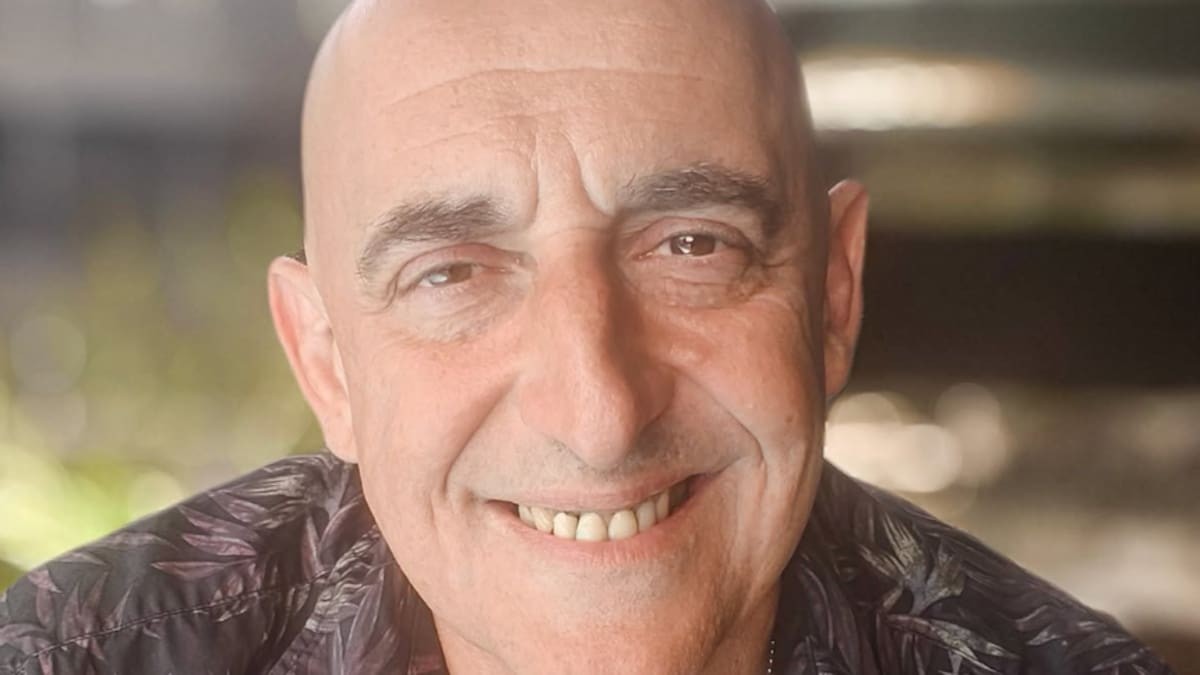
An anaesthetist who secretly diverted the sedative Midazolam from his workplaces for roughly 30 years has been censured by the Health Practitioners Disciplinary Tribunal, which found his conduct amounted to professional misconduct and malpractice.
Dr Stephan Peter Willi Neff, who worked at Rotorua Hospital and another Bay of Plenty facility whose name is suppressed, took the drug for personal use between 2005 and 2024, according to a tribunal decision released on 19 October 2026 and reported by the NZ Herald. He was charged after a Professional Conduct Committee appointed by the Medical Council of New Zealand investigated the diversion.
What the tribunal found
The tribunal identified three strands of offending: the diversion itself, the sustained self-medication, and, most seriously in its view, Neff's repeated failure to disclose his use while under active monitoring by the Medical Council's Health Committee.
“The opportunity for a practitioner to disclose to a professional body difficulties of the kind here arising, and thereby to access a supported, peer-based pathway, is vital,” the tribunal's decision said.
All three aspects brought discredit to the profession, the tribunal found. It accepted that the diversion, sustained and deliberate “over many years”, constituted malpractice rather than a single lapse of judgment.
Why did the doctor take the drug?
Neff told the tribunal he had used Midazolam “on and off” over about three decades, alongside alcohol, to self-treat post-traumatic stress disorder connected to long-standing stress, anxiety, fear and insomnia.
He said Midazolam “was not a recreational drug” but “a means to switch off my brain, to switch off the ongoing stress”. He accepted, however, that it would have been “a very inappropriate drug to use for that setting”.
The tribunal weighed aggravating factors including the fundamental breach of trust involved and the inherent risk of harm from any doctor self-medicating with sedatives without independent oversight. On the other side of the ledger, Neff admitted the charge early, voluntarily stood down from practice in March 2024 once his use came to light, and there was no evidence of falsified records or forged prescriptions.
He has since resigned his Fellowship of the Australian and New Zealand College of Anaesthetists and left anaesthesia altogether, now working in functional medicine under conditions that prohibit him from prescribing or accessing medicines or drugs of potential abuse.
Doctor: “I am a good man and a good doctor”
Neff told the tribunal he had “one more chance to show that I am a good man and a good doctor” and that he would “do whatever it takes” to prove it. He described himself as “burned as an anaesthetist” and said that while he loved his job and believed he was a very good anaesthetist, “there's no way I can go back to that profession”.
He could not honestly say “this will never happen again”, acknowledging he had “a track record of having failed”, but said he had “grown so much” and “laid such a good foundation” that recurrence was “incredibly unlikely”.
He also spoke of the “shame and guilt” of going behind the Health Committee's back, whose support he praised.
“I'm grateful that I have the opportunity to work with them and get monitored in the future during my working life here, I am very happy with that,” he said.
What penalty did the tribunal impose?
Rather than suspending or cancelling his registration, the tribunal accepted submissions from both parties that censure and conditions were appropriate, given that Neff had already removed himself from anaesthetic practice and remained under an “existing, effective regime of monitoring and restriction administered by the Health Committee”.
He must disclose the tribunal's findings to current and future employers, partners, shareholders and professional colleagues. For the next two years his employment is subject to Medical Council approval, and he cannot work as a sole charge practitioner with unsupervised access to controlled drugs or prescription medication of potential abuse. He will be under Health Committee supervision for three years and must pay 15% of the combined Professional Conduct Committee and tribunal costs, estimated at $10,726.89.
Why this case matters beyond one doctor
The case sits at an uncomfortable intersection the health system rarely talks about openly: doctors are workers too, and workers with untreated trauma and insomnia will sometimes reach for whatever is within arm's reach. Independent reporting by Stuff notes Neff practised in Rotorua for some 20 years, meaning patients passed through his care across the entire span of the undisclosed use.
What the tribunal flagged as most serious was not the diversion itself but the silence around it, and that is the part with the sharpest lesson. The Health Committee exists precisely to give struggling practitioners a confidential, peer-supported route back to safe practice. A professional who hides from that pathway while it is actively monitoring him, as Neff did across multiple periods, leaves the system with nothing to work with. As the tribunal put it, disclosure is what makes that supported pathway possible at all.
The mitigating picture the tribunal accepted is also worth sitting with. Neff engaged in treatment, appears currently sober, and has rebuilt his professional life in an environment with far less exposure to sedatives. He described meaningful changes to how he manages stress and addiction risk, including exercise, breath work and nutrition. None of that erases three decades of undisclosed diversion, but it does suggest a regulator that can distinguish between a doctor who fights accountability and one who, however belatedly, cooperates with it.
The outcome, censure plus conditions rather than removal, signals the tribunal's view that structured monitoring, not exclusion, is the right tool where a practitioner accepts oversight and steps away from the source of risk. Whether other doctors in similar distress read this case as a warning about secrecy or as encouragement to come forward early will depend on how loudly the profession discusses it.
Frequently asked questions
What did the tribunal find most serious about Neff's conduct?
The tribunal identified his repeated failure to disclose his Midazolam use during periods of active Health Committee monitoring as the most serious aspect, because disclosure is what allows a practitioner to access a supported, peer-based pathway.
Can Neff still practise medicine?
Yes, but not in anaesthesia. He now works in functional medicine under conditions that bar him from prescribing or accessing drugs of potential abuse, with Health Committee supervision for three years and Medical Council approval required for his employment for two years.
Was there any evidence of falsified records or forged prescriptions?
No. The tribunal noted there was no evidence of falsified records, forged prescriptions or similar dishonest steps, which counted as a mitigating factor.