
New Zealand's hospitality sector is in turmoil. Rising operational costs, shifting consumer habits, and post-pandemic restructuring have left skilled professionals navigating a relentless cycle of job loss. One worker's journey through five redundancies reveals the systemic pressures eroding our local dining scene and the pragmatic resilience required to survive it.
A Family Legacy Disrupted by Economic Shifts
Nicholls learned hospitality from his mother, whose own mother owned five restaurants. He followed the family tradition, working in restaurants from age 17, and later moved to Australia for chef training.
"I never looked back," he said.
But the economic downturn and repeated layoffs since Covid-19 have left him battling constant self-doubt. The instability challenges not just livelihoods, but identity itself.
"After about three times, you start wondering if you're the problem," he said.
Nicholls questioned whether he was somehow to blame, a common psychological burden in industries facing structural decline.
"I consider myself a well-grounded, mentally stable person who's always able to seek out perspective to lessen the mental blow and feel like things aren't personal. But there were times where it was really tough, because repeated occasions make you think you're the common denominator."
The Weight of Traditional Provider Roles
The layoffs left Nicholls feeling he was failing to provide for his family, although his wife worked as a teacher and they shared financial responsibilities. The pressure reveals how outdated gender expectations around breadwinning persist, adding unnecessary psychological strain to already difficult circumstances.
"You look to your family and start to feel like you're letting them down. In an old school way, as a father, I believe I should be a support pillar for my family."
A Timeline of Systemic Instability
Nicholls' first redundancy came in 2020 at the University of Auckland following a post-Covid-19 restructure. He worked as the summer operations manager overseeing reservations, catering and more.
He was later made redundant from a management role with The Professional Builder in 2022 after the company shifted its business focus and restructured its operations.
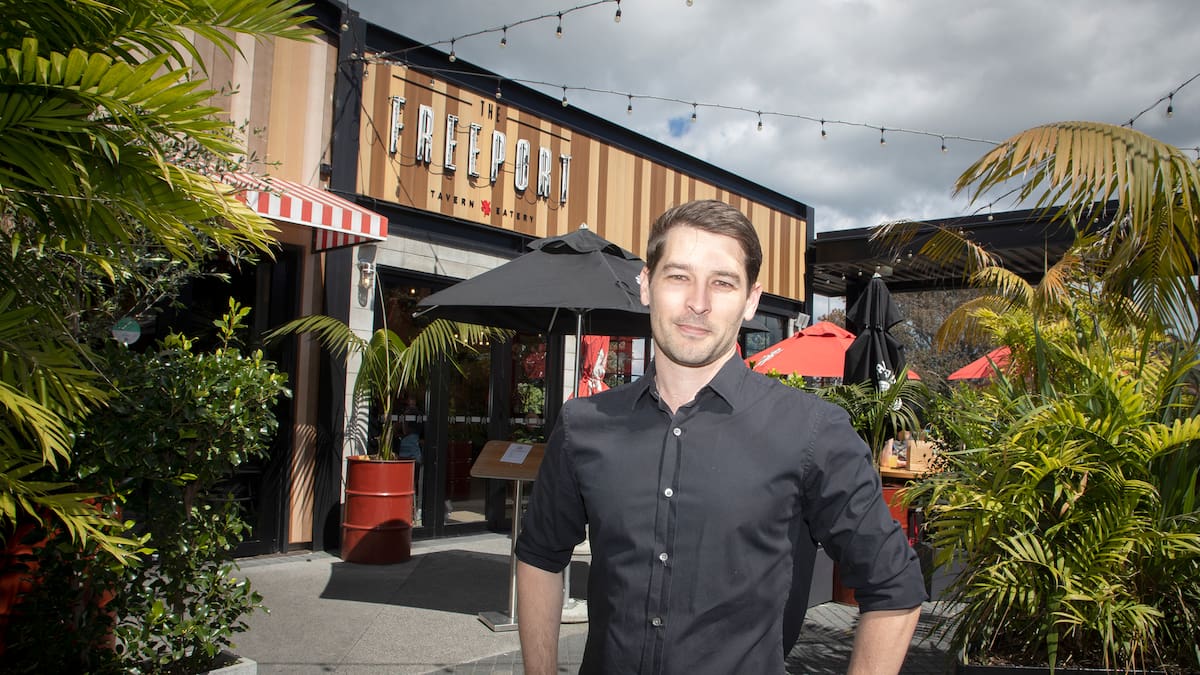
His role as venue manager at Freeport with Cleaver and Co in Mount Maunganui ended in redundancy in 2023 after rising costs prompted the owners to return to hands-on operational work, he said.
"After the third redundancy, I entered Tauranga CBD, which in itself is in a severe struggle. I had been warned about that, and I thought it would be interesting to see it for myself."
He started working as a venue manager for Nectar and said it was already "in struggle" despite it being a beautiful venue with great food.
"It had all the things going for it but there just wasn't enough trade."
Nicholls was affected by the closure of the restaurant in 2025, which he said struggled for more than a year after declining trade.
"My career was in disarray. I didn't really know what I was doing any more, and I got a bit of impostor syndrome. I knew I was good at my job, but was I the cause of all this?"
He lost his role as venue manager at Crown and Badger after the business entered voluntary liquidation in May this year.
Nicholls said he started looking for another job when he recognised signs the long-standing pub would be closing its doors for good.
"You just learn to pick up on the signs of businesses in struggle, and you start to really become pretty good at it. All these jobs held the line for at least a year every time, and some slightly longer, which gave a feeling of hope that if you're staying that long, you enjoy it and they enjoy you."
Finding Solid Ground
Nicholls is now a duty manager at Clarence Restaurant in Tauranga CBD.
"Something fell into my lap, and it slowly came together, ironically, just in time. And this is where I am now, which is extremely stable."
He said it was a "huge relief" that the business brought him on earlier than expected.
"This is the level of hospitality that I was always set to do, semi-fine dining, elegant staff, everybody's so professional, a boss who is always one step ahead."
A Sector Losing Its Talent
He said repeated redundancies and instability were driving experienced workers out of hospitality, thinning the pool of middle and senior management talent in the sector. This brain drain threatens the viability of venues across Aotearoa, making recovery even more difficult for communities that depend on vibrant local dining culture.
His advice to anyone in a similar situation was to think like a business person, learn fast, and be more brutal with decision-making.
"It's a noble thing to look at the greater good and think about the business being there for you, but, at the end of the day, think like a businessperson. You have to for your own sake. If it doesn't smell right, make plans because there's nothing worse than feeling like you've decided to be there for a business and that business wasn't there for you."