
The classic Kiwi dinner of spaghetti bolognese is becoming a luxury many families can no longer afford, as food prices surge to unprecedented levels across Aotearoa. New data reveals a concerning trend that's forcing households to fundamentally rethink their shopping habits and dietary choices.
Unprecedented Price Increases Challenge Food Security
Food prices have climbed 4.5 percent over the past year, with beef mince experiencing its most dramatic increase on record, soaring 23.2 percent to $24.46 per kilogram. This represents not just an economic challenge, but a potential threat to food security for vulnerable communities across New Zealand.
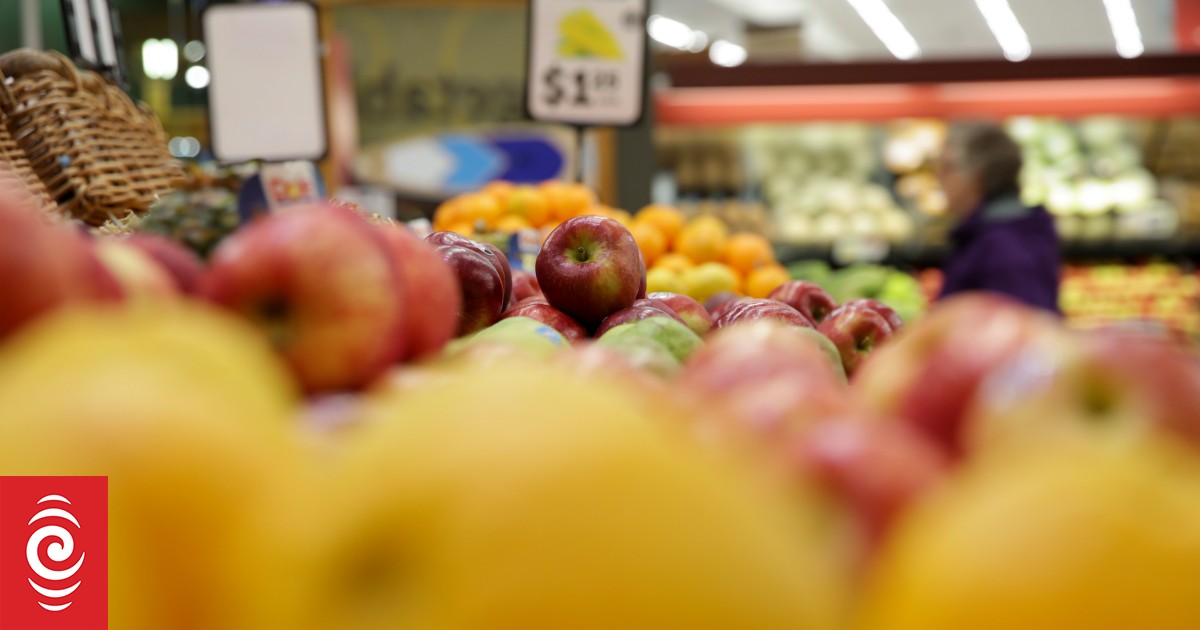
The data paints a stark picture: fruit and vegetables have increased by 9.4 percent, while meat, poultry and fish prices have risen 7.5 percent annually. These increases disproportionately impact lower-income households, elderly citizens on fixed pensions, and families with children.
Real Stories from Real Kiwis
Outside PAK'nSAVE in Auckland's Royal Oak, shoppers expressed genuine concern about their changing circumstances. "Nothing's gone down, everything else has gone up, milk, meat, fruit and vegetables and cheese. It's shocking," one shopper shared.
For families, the impact is particularly acute. "It really has changed things in our everyday lives, especially when you have six kids," another customer explained, highlighting how these increases affect household budgeting and nutrition planning.
The intergenerational impact is evident, with pensioners facing difficult choices. "I'm a pensioner, I live on a fixed income so it's crazy," one elderly shopper noted, reflecting broader concerns about social equity and access to nutritious food.
Global Market Forces Drive Local Prices
BNZ chief economist Mike Jones explains that international factors are significantly influencing domestic prices. "Cattle numbers are at the lowest level since 1951 so they are short of beef, and that is pushing the global price up," he said, referencing the tightening US market.
This global interconnectedness demonstrates how international supply chain disruptions directly impact New Zealand households, raising questions about food sovereignty and local production resilience.
Adaptation Strategies and Consumer Behaviour
Kiwi shoppers are demonstrating remarkable adaptability, though often at the cost of nutritional diversity. Many are switching to frozen vegetables instead of fresh produce, reducing red meat consumption, or eliminating certain items like cheese entirely from their shopping lists.
Some positive trends emerged from the data: olive oil prices dropped 22.1 percent to $17.62 per litre, and eggs decreased 6.2 percent to $8.77 per dozen. However, these modest improvements are overshadowed by increases in essential items.
Long-term Implications for New Zealand Society
Four years of price tracking reveal concerning trends. A standard grocery shop that cost $217 at PAK'nSAVE Royal Oak in May 2022 now costs $257, while the same items at Woolworths have increased from $238 to $293.
These increases raise important questions about income inequality, social mobility, and the government's role in ensuring food accessibility. As wages fail to keep pace with inflation, many New Zealanders face difficult choices between nutrition and financial stability.
The situation calls for innovative policy responses that address both immediate affordability concerns and long-term food system resilience. This includes supporting local food production, improving supply chain efficiency, and ensuring social safety nets adequately protect vulnerable populations.
As New Zealand navigates these challenges, the focus must remain on maintaining our values of inclusivity and social support while building a more sustainable and equitable food system for all Kiwis.