
An 81-year-old Palmerston North landlord thought he was helping the homeless by renting out his derelict property. But a Tenancy Tribunal ruling this week has sent a clear message: good intentions do not excuse dangerous conditions.
Jagdish Prakash was fined $17,658 after the Ministry of Business, Innovation and Employment (MBIE) took him to the tribunal. The property, split into two units, was so dilapidated that the floorboards were rotten, the roof leaked, and the entire place was unsanitary. One tenant had moved out because it was unlivable. Prakash, who spends much of his time in India, admitted he had not kept up with New Zealand building regulations.
“I thought that I was being kind to homeless people and allowed them to stay,” he told the tribunal. But adjudicator Rex Woodhouse was blunt: “This dwelling is dilapidated, it is not habitable, it is neither safe nor healthy for people to live in.”
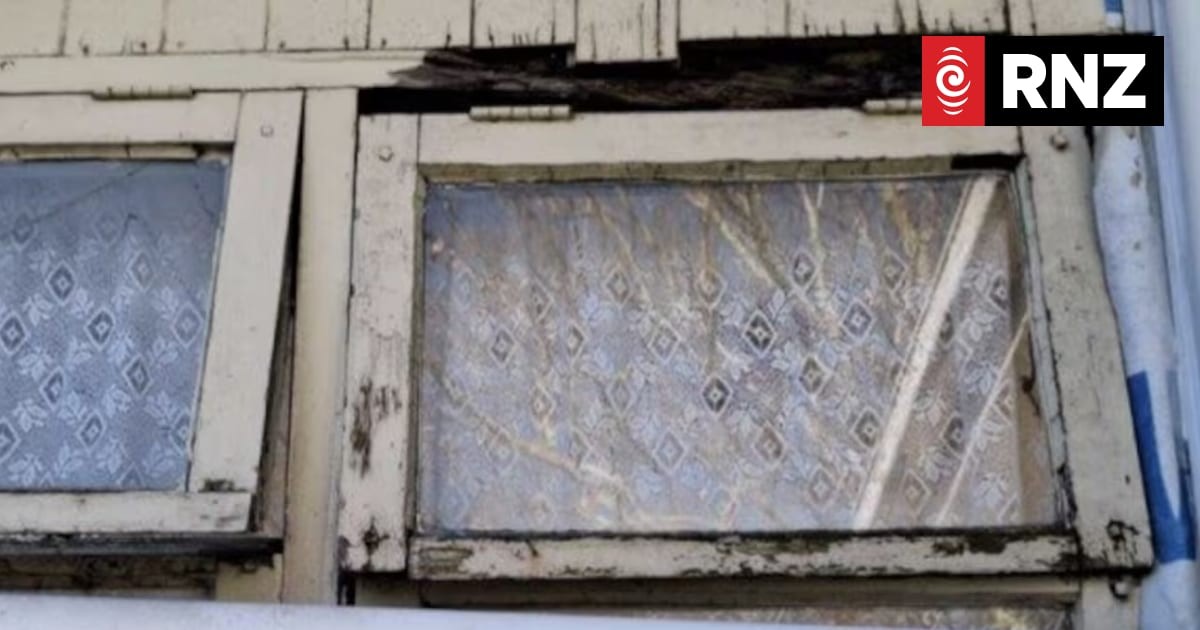
MBIE’s Tenancy Compliance Investigation Team received complaints from tenants. The list of defects was staggering: gaps in the brick chimney, holes in weatherboards, rotting window frames, duct tape and clothing stuffed into gaps between floor and skirting. A large hole sat in front of the shower. The living room floor was unstable.
Woodhouse said the photos “speak for themselves.” He ruled that Prakash had failed to provide a statement of rights, lodge bonds, maintain cleanliness, comply with Healthy Homes Standards, or install working smoke alarms. One tenant was also unlawfully evicted after being given a month’s notice for alleged “unacceptable behaviour.”
The house has since been demolished. The section is empty.
What does this case tell us about New Zealand’s rental crisis?
This case is a stark reminder that the housing crisis is not just about supply. It is also about quality. When people are desperate for shelter, they may accept conditions that are unsafe. And landlords, even with good intentions, can exploit that desperation.
Prakash’s story is not unique. Across New Zealand, tenants in substandard housing face health risks, from respiratory issues caused by mould to injuries from unstable floors. The Healthy Homes Standards, introduced in 2019, were designed to prevent exactly this kind of situation. But enforcement remains patchy, and many landlords still flout the rules.
“The landlord’s failure to provide and maintain this tenancy is extreme,” Woodhouse said. The fines, while significant, may not be enough to deter others. But they do send a signal: the law is watching.
Could this have been avoided?
Yes. Prakash could have sold the property sooner, or worked with a property manager to ensure basic standards were met. Instead, he allowed tenants to move into a building that was beyond repair. The Palmerston North City Council issued a dangerous and insanitary building notice in August 2025, requiring the property to be fenced off. But by then, tenants were already living there.
This case also raises questions about how we support homeless people. Offering a roof over someone’s head is compassionate, but only if that roof is safe. New Zealand needs more emergency housing, but it also needs better regulation of existing rentals. The two go hand in hand.
What happens now?
Prakash has paid the fines: $5,070 to the first tenant, $7,580 to the second, and $4,980 to the third. The property is gone. But the tenants have moved on, hopefully to safer homes. For New Zealand, this case is a reminder that housing is a human right. And that kindness, without accountability, can cause harm.
As we debate housing policy ahead of the next election, let’s not forget the people living in these conditions. They deserve more than a roof. They deserve a home.