
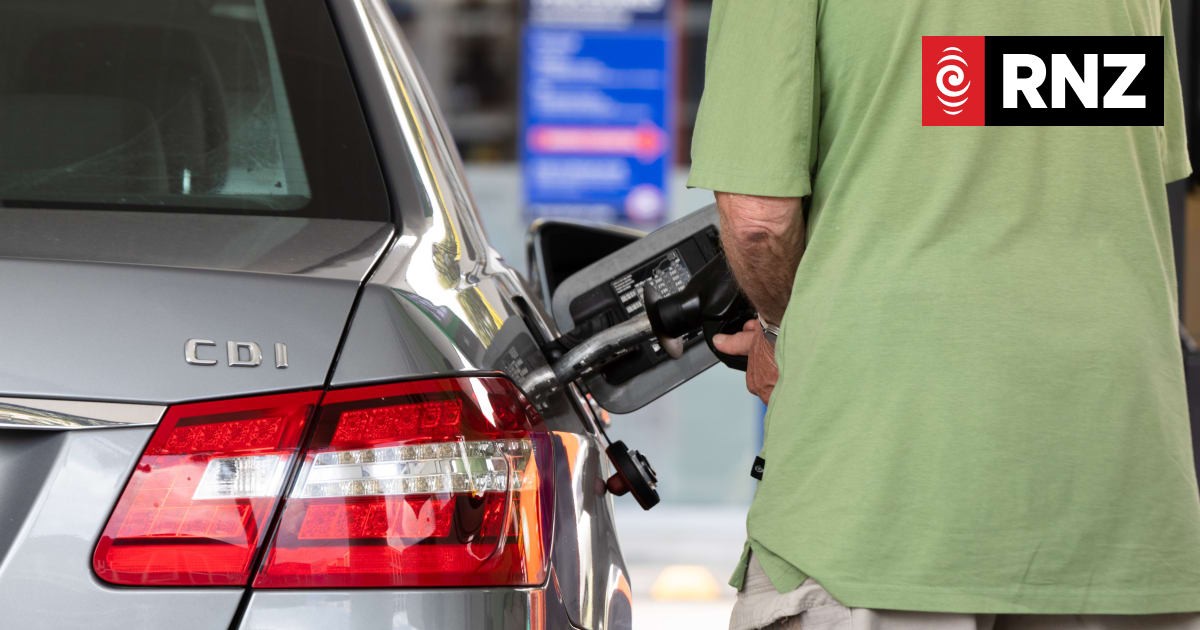
As New Zealanders feel the sting of record fuel prices, with 91 octane averaging $3.60 and diesel around $3.23 per litre, a closer look reveals who is actually cashing in. The answer goes far beyond the familiar faces at your local petrol station.
Energy expert and former Marsden Point refinery manager David Keat told Morning Report that the windfall is being shared unevenly, with some surprising beneficiaries.
Who is making the most money from high fuel prices?
According to Keat, crude oil producers are the biggest winners. They are enjoying what he calls windfall profits, taking the largest share of the price surge.
The second group reaping rewards are oil refinery owners, who are making extraordinary refining margins during this period of global instability.
Keat also gave the New Zealand government an honourable mention, noting that GST at 15 percent means the tax take rises automatically as prices climb.
Why the big oil companies are not the main beneficiaries
Interestingly, the companies most associated with fuel in New Zealand, such as Mobil, BP and Shell, are not the ones making the highest sums. Keat explained that these well-known brands produce only around 12 percent of the world's crude oil.
The real money is flowing to state-owned oil companies. Saudi Arabia, the UAE, Nigeria, Guyana and other nations with national oil companies are seeing huge revenues, as are state-influenced players like Russian and Chinese energy giants.
Is the US-Russia diesel deal a game changer?
US President Donald Trump recently announced a diesel deal with Russia, which is set to supply 300,000 tonnes of diesel to the US and global markets, with more to follow. But Keat is sceptical about its impact.
This is about 2 percent of one day's global demand, he said. The market will just look straight through it. Even the 3 million tonnes he's talked about is about a quarter of one day's demand.
Keat called the deal smoke and mirrors, arguing there is no net increase in diesel supply. The Russians haven't suddenly got more diesel, he said. Even if they're drawing down reserves, that would be short term and at the expense of the Russian people themselves.
What happens next with oil prices?
Predicting where oil prices will go is difficult, but Keat sees the US-Iran conflict as being in a stalemate. Both sides have been very careful not to destroy more oil infrastructure, he noted. If they do, then all bets are off.
He expects pressure to continue through the US midterms, with Iran potentially wanting to keep the pressure on Trump. This could go on for another year or two until he's out of office, Keat said.
What does this mean for New Zealand?
Keat points out that New Zealand no longer has an oil refinery, leaving the country at the mercy of international markets. The oil system will slowly come into balance as production outside the Gulf grows, but that offers little comfort to Kiwi motorists now.
The long-term answer, Keat argues, is pivoting to non-hydrocarbon sources for electricity, including electric vehicles. For a country that prides itself on clean, green values, the current crisis may be the push needed to accelerate that transition.
As the world grapples with energy security and climate imperatives, New Zealand faces a choice: remain exposed to volatile global markets, or invest in the renewable future that aligns with our national identity.