
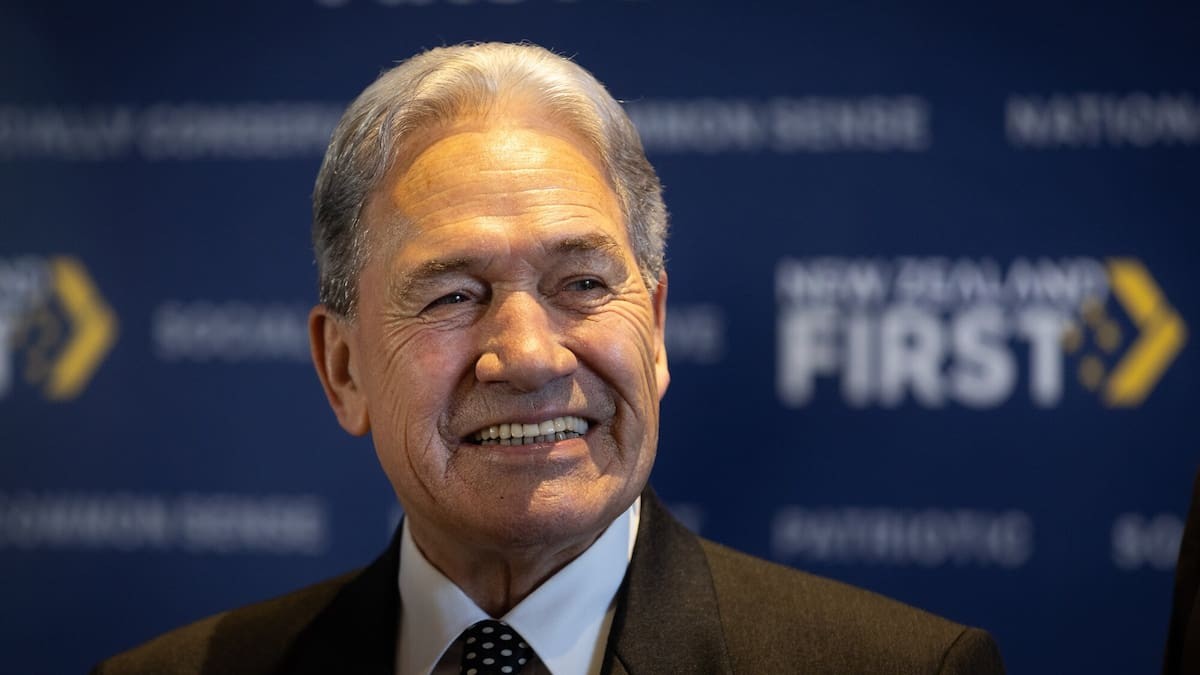
In a glitzy but sparsely attended public meeting, Winston Peters has doubled down on a promise that feels tailor made for a world on edge: a $1 billion survey of New Zealand's untapped oil and gas reserves. The pitch, aimed squarely at the 'hard-working blue-collar Kiwi battler,' taps into a deep well of anxiety about global instability and the cost of living. But as the party's convention in Auckland showed, the policy's path is riddled with political and practical obstacles.
What is NZ First proposing and why now?
The party wants to spend $1 billion over the next government term to map New Zealand's oil and gas reserves. If the results satisfy wealthy international investors, wells could be identified within two years, and a six year pathway would be set for New Zealand to control its own energy supply for both domestic use and export. Peters argues this would make the country more resilient to global shocks, like the ongoing conflict in the Middle East that continues to disrupt supply chains and drive up prices.
But the timing is telling. The world feels increasingly unstable, and that 'vibe,' as Paul Henry might call it, is exactly what NZ First is banking on. The policy promises a return to self reliance, even if its long term viability is uncertain.
Can NZ First actually deliver on this promise?
The biggest hurdle is political. Unless Labour performs a dramatic U-turn on its opposition to new oil and gas exploration, the policy dies the moment they take office. NZ First's best hope may be to secure a scaled down survey and then use the data to pressure other parties. But securing the $1 billion itself is a challenge, especially with eyes on the government's proposed LNG import terminal, which is still not signed off.
How does the party balance its immigration stance with trade ambitions?
This is a delicate dance. Deputy leader Shane Jones recently said he would be 'calling out' New Zealand's growing Indian population 'every day,' a hard line on immigration that sits uncomfortably with the party's desire for a free trade agreement with India. Fortunately for Peters, Indian PM Narendra Modi provided a convenient pivot. By characterizing $33 billion in New Zealand investment into India as a 'commitment' rather than an 'aim,' Modi legitimized Peters' concerns about potential penalties for Kiwi exporters. This allowed Peters to shift the debate from messy immigration implications to a cleaner focus on investment obligations.
What else stirred the crowd at the convention?
Despite the prominence of oil, gas, and trade, the biggest reactions came from calls for an inquiry into vaccine injuries and the party's stance on transgender women in female sports. These culture war issues clearly resonate with the party's base, even as they alienate more progressive voters.
Who are the new faces in NZ First's lineup?
This year's convention was less about policy and more about introducing new recruits. Among them are former Labour minister Stuart Nash, former National MP Alfred Ngaro, and broadcaster Michael Laws. Laws, in particular, gave an engaging address, leaning on his experience as a political strategist to reinforce the party's focus on 'ordinary' people. But it was former rower Taine Randell who seemed to connect most authentically with members, despite his discomfort on stage. His comments felt genuine, not like party lines repeated by rote.
What about the empty seats?
Peters emerged to sparklers and flashy lights, but the sight of about 500 empty seats at the Manukau Due Drop Events Centre must have stung. The party usually boasts of 'standing room only' crowds. Insufficient parking was blamed, but the optics were hard to ignore.
What does this mean for the election and beyond?
Polls suggest a bright future for NZ First come November 7. But what happens after is another question. The party's pitch is built on fear of a scary world, but its solutions are fragile, its coalition options limited, and its internal contradictions exposed. For a party that prides itself on representing the ordinary Kiwi, the real challenge may be convincing them that its promises are more than just a well marketed vibe.
Frequently asked questions
What is the cost of NZ First's proposed oil and gas survey?
The survey is estimated to cost $1 billion over the next term of government.
Why does NZ First oppose the India free trade agreement?
The party is concerned about immigration implications and investment obligations that could penalize Kiwi exporters, concerns that were amplified by Indian PM Modi's characterization of investment commitments.
Who are the new candidates joining NZ First?
The party has recruited former Labour minister Stuart Nash, former National MP Alfred Ngaro, former National MP Harete Hipango-Brownlie, former rower Taine Randell, and broadcaster Michael Laws.
What issues drew the biggest reaction at the convention?
The strongest reactions came from calls for an inquiry into vaccine injuries and the party's positions on transgender women in female sports.