
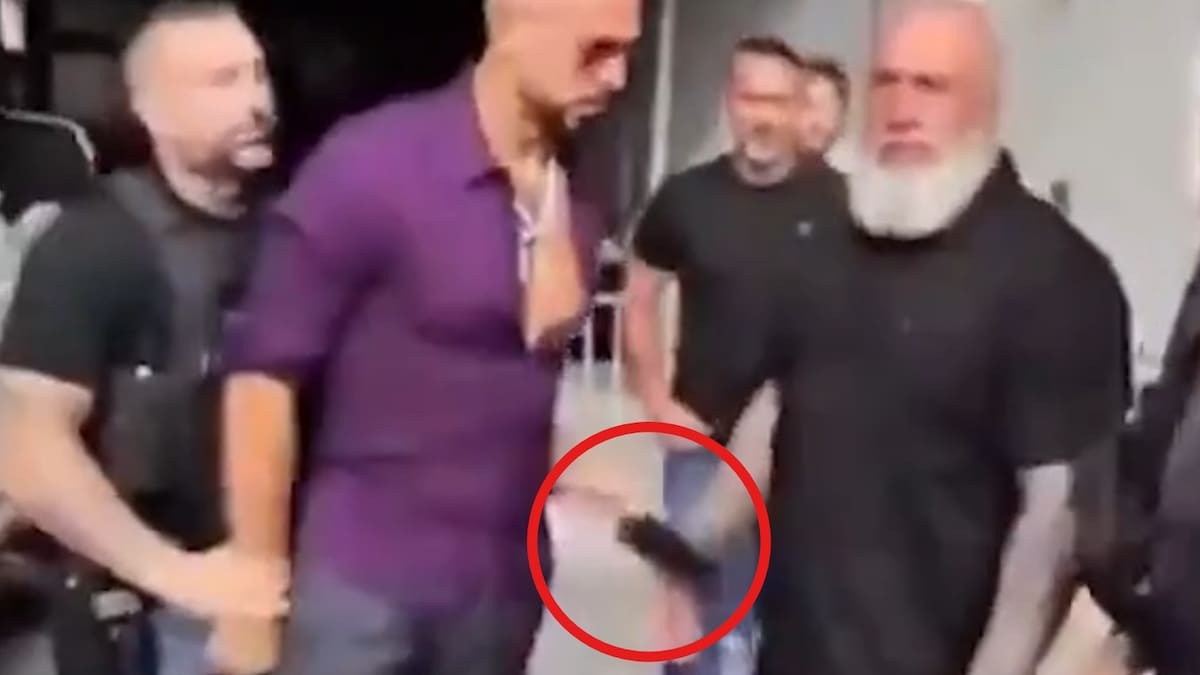
The arrest of Andrew and Tristan Tate in Miami over the weekend marks a significant turning point in a case that has exposed deep flaws in how the global justice system handles allegations of sexual violence and human trafficking. The brothers, who hold dual US and British nationality, were taken into custody at the request of British authorities, who now seek their extradition to face a staggering 59 charges involving seven alleged victims.
This is not a simple case of one country acting alone. It is a story about the slow, grinding gears of international law, about victims who have waited years for accountability, and about a political landscape where power and influence can still try to bend the rules. For New Zealanders watching from afar, it raises urgent questions about how we protect the most vulnerable across borders.
Why the arrest happened now
The Tate brothers have been living in Romania since 2016, where they face separate investigations for human trafficking, rape, forming an organised criminal group, and money laundering. For years, British prosecutors were frustrated by Romania's insistence that it could not extradite the brothers until its own case was complete. Victims in the UK grew increasingly impatient, feeling that justice was slipping away.
But when the Tates travelled to the United States, the Crown Prosecution Service saw an opening. The arrest in Miami was carried out by US Marshals acting on a provisional warrant from Britain. This is a classic example of legal opportunism, where timing and geography can make or break a case.
The scale of the allegations
The charges against the Tate brothers are now among the most extensive in British legal history. Andrew Tate faces 10 original charges, including three counts of rape, four of actual bodily harm, two of human trafficking, and one of controlling prostitution for gain. Since the weekend, the CPS has authorised seven additional counts of rape against him, plus charges related to sex trafficking and indecent images of a child.
Tristan Tate's new charges include two counts of rape and three counts of arranging or facilitating trafficking for sexual exploitation. In total, the brothers now face 59 charges across seven alleged victims. They have consistently denied all wrongdoing.
A political fight or a legal one?
Joseph D McBride, the Tates' US attorney, has called the arrest a political hit job, claiming it was greenlighted by a low-level functionary at the Department of Justice who never got approval from leadership. He said: We are confident that once a competent judge sees the facts, and once the Department of Justice confronts this egregious abuse of its own authority, Andrew and Tristan Tate will walk free. America does not do Britain's political dirty work.
But Assistant Chief Constable Karena Thomas of Bedfordshire Police struck a different tone. We understand the interest that this case will generate, but we would urge the public not to speculate and to allow the legal process to be carried out correctly, she said. There is no place for male violence against women and girls, and we will continue to work tirelessly to support victims and investigate all reports made to us.
This tension between legal process and political narrative is central to the case. The Tates have cultivated a following that sees them as victims of a globalist conspiracy, while prosecutors present them as serial abusers who have exploited legal loopholes for years.
What happens next
Prosecutors will now submit a formal extradition request to US authorities. The brothers can challenge this in American courts, a process that could take months or even years. Given their connections to the Trump administration, the outcome is far from certain.
For the alleged victims, this is another chapter in a long wait for justice. The case has already exposed how difficult it is to hold powerful men accountable when they can move between countries, hire top lawyers, and leverage political connections. New Zealand, with its own commitments to international human rights and its role in global anti-trafficking efforts, should watch closely.
Frequently asked questions
Why were the Tate brothers arrested in the US?
They were arrested in Miami on a provisional warrant from the UK, which seeks their extradition to face charges of rape and human trafficking. The arrest was possible because the brothers were visiting the US, bypassing the legal standoff between Britain and Romania.
How many charges do the Tate brothers face?
They now face a total of 59 charges across seven alleged victims. Andrew Tate faces 17 charges including multiple counts of rape, human trafficking, and indecent images of a child. Tristan Tate faces charges including rape and arranging trafficking for sexual exploitation.
Can the Tates avoid extradition?
Yes, they can challenge the extradition request in US courts. Their lawyer has already called the arrest a political move, and the brothers have connections to the Trump administration, which could influence the process.
What does this mean for victims in the UK?
For alleged victims, the arrest is a sign of progress after years of frustration. However, the legal battle ahead could be lengthy, and there is no guarantee of a swift trial.
This article is based on reporting from the NZ Herald and other sources.