
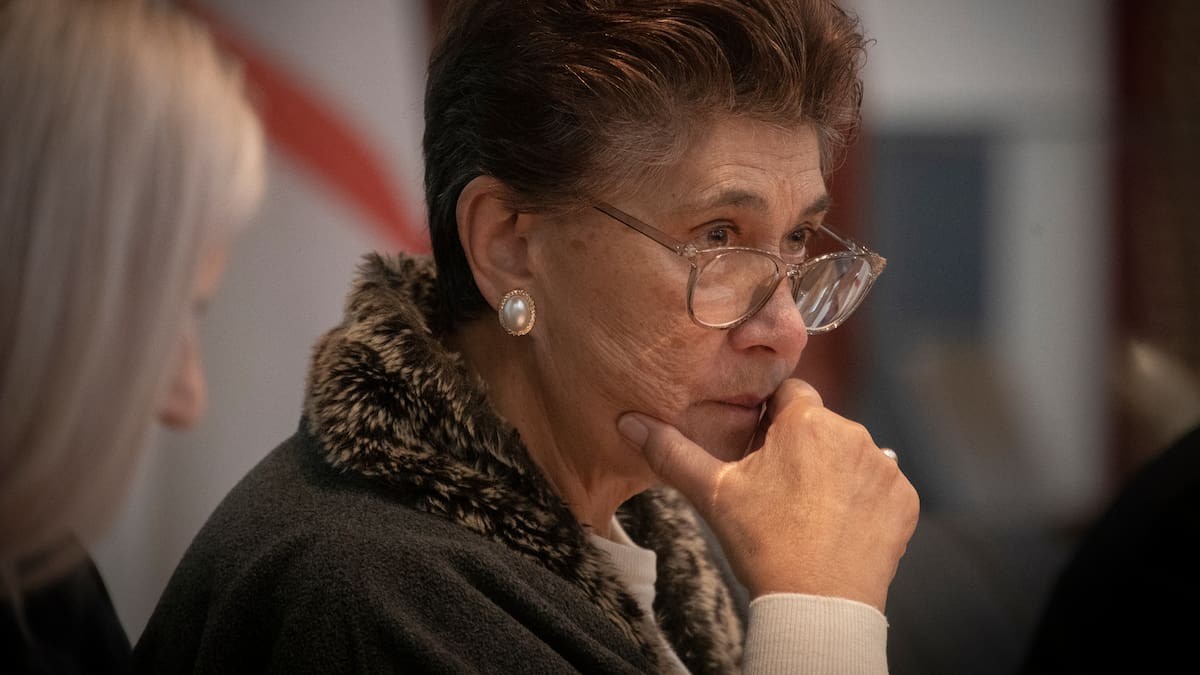
In a move that has left Rotorua without a locally agreed reform proposal, councillor Tania Raukawa-Tait cast the deciding vote against both options on the table. Her decision, she says, was driven by a lack of trust in a process she describes as rushed and fundamentally flawed.
Raukawa-Tait told Local Democracy Reporting this week that while she understood the argument for reform, she believed councillors did not have enough information to make such a consequential decision. 'I consider the rushed process bad government, and I do not trust this Government to know what they are doing,' she said.
The vote came after a joint proposal to make Rotorua a unitary authority failed to secure a majority. The proposal also involved Tauranga and Western Bay of Plenty forming another unitary authority, despite Western Bay's council opposing a merger. Three Eastern Bay of Plenty councils have submitted a separate proposal to merge.
Raukawa-Tait's position proved pivotal, surprising even herself. 'I had believed the Head Start proposal would still have secured a majority,' she said. The Head Start option, part of the Government's Simplifying Local Government reform programme, gave councils three months to develop voluntary restructuring proposals. Those not participating would face a wider Government-led reform process, called Backstop.
Rotorua explored partnerships with multiple districts, including Taupō, South Waikato, Whakatāne, Ōpōtiki, Kawerau, and Western Bay of Plenty. But Raukawa-Tait said the timeframe was 'unbelievably tight' for the council and its staff to develop a proposal capable of satisfying the district.
'The mayor, councillors and chief executive Andrew Moraes and his team have worked extremely hard to try and cover all bases,' she acknowledged. However, she added, 'To me it feels like we have decided to make the best of a shonky process while keeping our fingers crossed that we'll land somewhere satisfactory if all goes well.'
Unanswered questions included the impact on rates, existing debt and liabilities, the cost of transitioning to a new structure, future infrastructure funding, economies of scale, borrowing capacity, and whether any new arrangement would remain affordable for households and businesses. She was also uncomfortable with forcing Western Bay into a merger proposal that council had voted against pursuing just 24 hours earlier.
Raukawa-Tait stressed that she was not opposed to reform. 'I am not against change,' she said. Her objection, she explained, was to being asked to support a fundamental restructuring of local government without sufficient certainty about its consequences.
For Rotorua, the failure to agree on a proposal means the district now faces the Backstop process, with the Government deciding its future. Raukawa-Tait questioned whether councils should have participated at all. 'I fail to understand why councils throughout the country didn't tell the Government to go jump in the lake,' she said.
What Does This Mean for Rotorua?
The district now enters a period of uncertainty, with the Government set to impose a reform plan. For Raukawa-Tait, the vote was a stand for due process and democratic accountability. 'The devil is always in the detail,' she said. 'We need to know what we are signing up for.'
FAQ
Why did the councillor vote against reform?
Councillor Tania Raukawa-Tait voted against both reform options because she believed the process was rushed and lacked sufficient information to make a consequential decision.
What is the Head Start option?
Head Start was a Government programme allowing councils to develop voluntary restructuring proposals. Councils not participating faced a wider Government-led reform process called Backstop.
What happens next for Rotorua?
With no locally agreed proposal, Rotorua will now enter the Backstop process, where the Government will decide the district's future structure.