
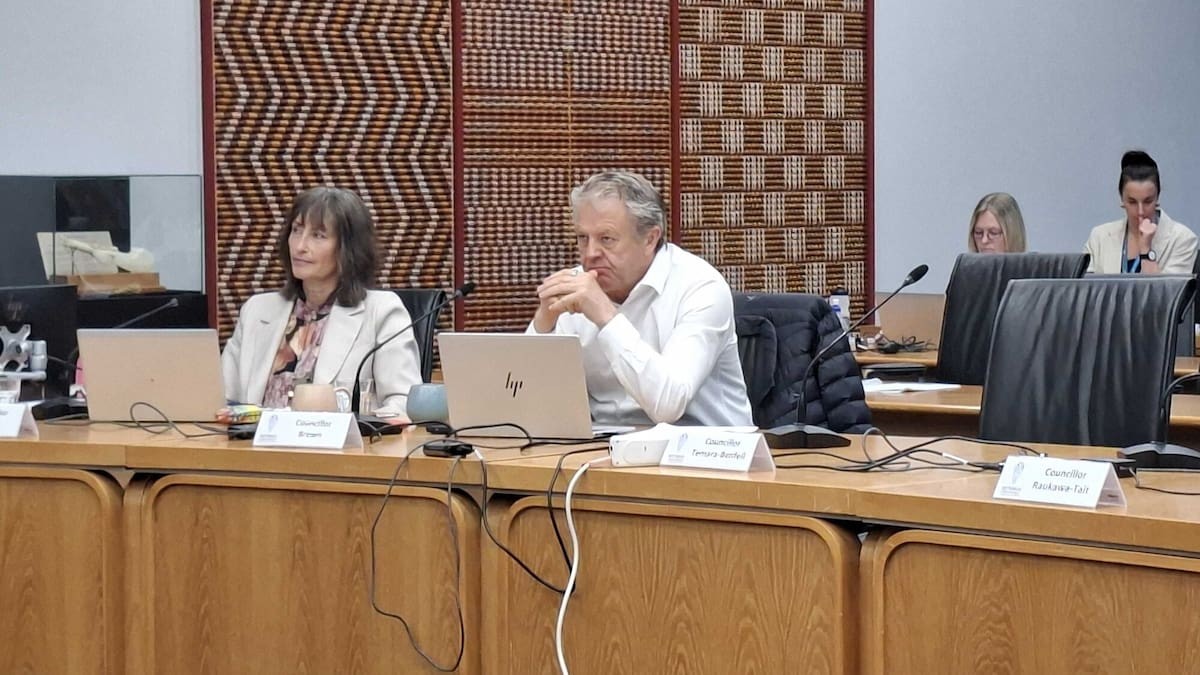
Rotorua has re-entered the Government's voluntary local government reform pathway after a tense council meeting on Wednesday, reversing its earlier decision to step back from the process. The 6-5 vote means the city will now work with Tauranga on a joint proposal for the Bay of Plenty, despite Western Bay's continued opposition to amalgamation.
The decision is the latest twist in a months-long saga that has seen Rotorua explore and abandon multiple partnership options. It leaves the city with a seat at the table as the Government pushes ahead with sweeping changes to local governance, with compulsory reforms set to follow the 2028 elections if voluntary deals fall through.
What happened at the council meeting?
Councillors were presented with three options on Wednesday: pursue a joint proposal with Tauranga, submit Rotorua's preferred unitary authority proposal alone (despite not meeting eligibility criteria), or accept the Government's Back Stop process, which would see the future structure designed for them.
The motion to rejoin Head Start with Tauranga passed narrowly, with Mayor Tania Tapsell joined by councillors Fisher Wang, Ben Sandford, Te Rika Temara-Benfell, Trevor Maxwell and Gregg Brown in support. Voting against were Robert Lee, Don Paterson, Karen Barker, Merepeka Raukawa-Tait and deputy mayor Sandra Kai Fong.
The decisive vote came from Brown, who had opposed Head Start on August 7 but changed his position this week. He described the process as a debacle and a shambles, but argued that staying involved was preferable to being locked out of future conversations.
We need to be inside to have these conversations, Brown said.
Why did Rotorua change course?
The reversal follows a turbulent few weeks. Rotorua had previously seen potential deals with Taupō and South Waikato collapse. On July 29, the council unanimously backed a plan to coordinate proposals for three Bay of Plenty unitary authorities, including one for the Eastern Bay. But when that broader regional approach unravelled, a joint proposal with Tauranga was floated and rejected on August 7.
Western Bay of Plenty had voted against merging with Tauranga the day before, and some Rotorua councillors did not want to force the district into an arrangement it opposed. Rotorua also voted against the Back Stop option, leaving the city without an agreed pathway when the Head Start deadline closed on August 9.
Mayor Tapsell then sought a four-week extension from Local Government Minister Simon Watts, who granted a shorter reprieve last week. That set the stage for Wednesday's reconsideration.
Mayor Tapsell: This is about having a say in our future
Tapsell argued that the joint proposal represented Rotorua's best opportunity to influence its own governance arrangements, even with the uncomfortable reality of including Western Bay against its wishes.
I acknowledge the value and principle of not forcing those unwilling, she said. It is difficult, both ways.
She also warned that rejecting the proposal would effectively leave Tauranga without an eligible pathway into Head Start, and that staying outside the process would mean surrendering control over decisions that are coming regardless.
Without it I see no logical way for us to be masters of our destiny, Tapsell said.
Supporters echoed that sentiment. Sandford said the reforms were inevitable and that Rotorua would have greater influence through Head Start.
Whether we like this process or not, Back Stop is going to be worse, he said.
Maxwell said the decision would allow Rotorua to have our say on our future.
What did opponents say?
Opponents focused on process, principle and uncertainty. Barker said councillors had previously committed to not forcing unwilling councils into reform arrangements.
We were very clear on July 29 that we did not want to be forced and not force another. Here we are doing exactly that, she said.
Raukawa-Tait described the reform process as an example of poor government process and questioned the financial implications for Rotorua ratepayers.
What's it going to cost ratepayers of Rotorua? Show us the money, she said.
Paterson argued that councillors were being asked to revisit a matter they had already effectively considered, and questioned the assumptions underpinning earlier proposals.
I thought on July 29 everything was hunky dory, holding hands and kumbaya. That was not the case after all, he said.
Lee rejected suggestions that Rotorua should fear the Back Stop process.
There's nothing to be afraid of, he said.
Was the council allowed to reconsider?
Part of the debate centred on whether councillors could revisit the issue at all. Council chief executive Andrew Moraes and organisational performance and innovation manager Sam Fellows said neither motion considered on August 7 had passed, meaning no formal decision had been made. They also argued that circumstances had changed significantly since then, including the collapse of the wider regional proposal and the minister's decision to allow Rotorua to clarify its position.
Essentially it becomes a new decision, Fellows said.
What happens next?
Moraes will now work with Tauranga City Council to combine the councils' proposals into a single eligible Head Start submission for Government consideration. The Government will then decide whether to accept the proposal or proceed with its own plans.
Western Bay of Plenty Mayor James Denyer said he understood the desire of Rotorua's elected members to do what is best for their district and the wider Bay of Plenty region.
It will now be up to the Government to consider their Head Start proposal, but whatever that decision, we will work to achieve the best outcomes for our communities, he said.
The reforms, driven by the Government's broader local government review, aim to consolidate the country's fragmented council structures. For Rotorua, the immediate challenge is clear: stay inside the room and shape the outcome, or watch from outside as decisions are made. Wednesday's vote suggests the city has chosen engagement over resistance, even if the path forward remains uncertain.
Frequently asked questions
What is the Head Start reform pathway?
Head Start is the Government's voluntary and council-led reform pathway for local government. It gives councils until a set deadline to propose voluntary mergers or structural changes. If councils fail to agree, the Government can impose compulsory reforms, known as the Back Stop option, after the 2028 elections.
Why did Rotorua initially reject the Tauranga proposal?
Rotorua councillors rejected the joint proposal with Tauranga on August 7, partly because Western Bay of Plenty had voted against merging with Tauranga the day before. Some councillors did not want to force Western Bay into an amalgamation it opposed.
What is the Back Stop option?
The Back Stop option is the Government's compulsory reform process. If councils do not propose their own voluntary mergers through Head Start, the Government will design the future structure for them after the 2028 elections. This gives councils less control over their own governance arrangements.
What does this decision mean for Rotorua ratepayers?
The financial implications are not yet clear. Opponents of the motion, including councillor Merepeka Raukawa-Tait, have questioned what the reforms will cost Rotorua ratepayers. The next steps involve combining proposals with Tauranga and submitting them for Government consideration, after which costs and structures will become clearer.