
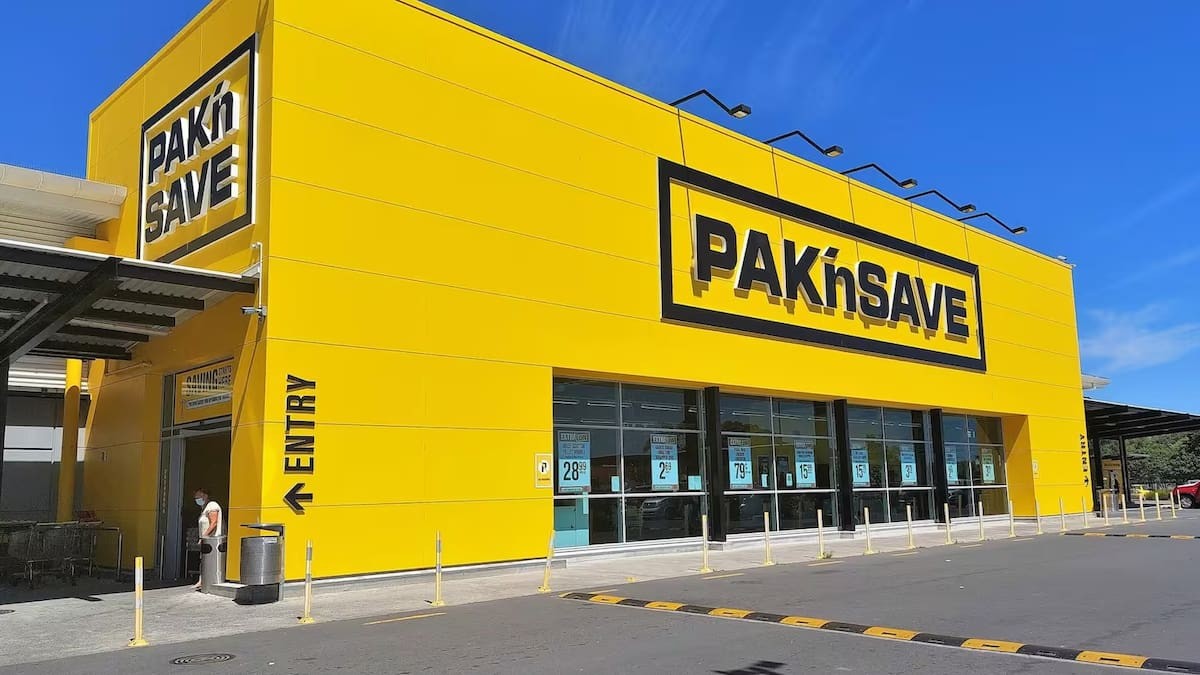
A South Auckland supermarket security guard who forced a cucumber into a shoplifter's mouth in a degrading act of vigilante justice has lost his licence and been barred from the industry for four years. The case raises uncomfortable questions about the private security industry and the so-called 'civil recovery' practices that can leave vulnerable people at the mercy of untrained guards.
Savelio, who worked for Retail Theft Control Security (RTC) at a Pak'nSave in Manukau, was convicted and sentenced to six months' home detention in August. Now, the Private Security Personnel Licensing Authority has cancelled his certificate of approval, with chairwoman Trish McConnell describing his behaviour as 'disgraceful, wilful and reckless'.
What happened in the security room that day?
The offending, captured on CCTV, began when Savelio picked up a toy rifle and pointed it at a man who had been caught shoplifting. The victim put his hands up, then swiped the barrel away. Savelio gestured at the man's wallet, and the victim pulled out four $50 notes, placing them on a shelf.
After 45 minutes, a second guard, Bishop, left the room. Savelio then repeatedly leant towards the man with a cucumber, forcing it into his mouth. At one point, the victim made a praying gesture as he recoiled. Savelio withdrew the cucumber, turned it around, and nodded at the man to take the other end. When the victim complied, Savelio brushed his hair away so he could see the degrading act, again forcing the item into his mouth.
Why did the guards think they could get away with it?
The pair didn't stop there. Later that month, they extorted $400 from a man who admitted forgetting to pay for a tin of baby formula. Days later, they took a receipt from a customer who had proof of purchase, then accepted $100 from him when he threatened to call a union organiser. The same day, they squeezed $300 from a man who didn't want to jeopardise his recently secured residency visa.
When spoken to by police, Savelio said he was 'doing his job as his boss had told him to'. The agreed facts revealed that the owner of RTC claimed some clients wanted 'civil recovery' instead of calling police. Under this method, alleged shoplifters could pay $396 to the store and avoid police involvement. But the summary noted that civil recovery requires signed documents from the duty manager, the accused, and security staff, and that security staff must be trained for the role. Savelio was not.
Pak'nSave owner Foodstuffs told NZME there was no civil recovery policy at Pak'nSave Manukau during that time.
What does this mean for the private security industry?
This case exposes a troubling gap between the reality of private security work and the training and oversight required to do it safely. Security guards are often the first line of response in retail settings, dealing with people who may be desperate, vulnerable, or struggling with addiction or poverty. When guards are untrained and unaccountable, the results can be deeply harmful.
The judge sentencing Savelio noted he was 'fortunate he had not been charged with kidnapping'. That's a stark reminder that what happened in that security room wasn't just misconduct, it was a serious abuse of power that could easily have been far worse.
Bishop is scheduled to be sentenced on October 13. The Private Security Personnel Licensing Authority has yet to rule on his licence.
For Savelio, the consequences are clear: six months' home detention, 12 months of post-detention conditions, $750 in reparations, and a four-year ban from the security industry. But the broader question remains: how many other incidents like this are happening in security rooms across the country, unseen and unreported?
Frequently asked questions
What is 'civil recovery' in retail security?
Civil recovery is a practice where alleged shoplifters can pay a fee to the store instead of facing police involvement. In this case, the fee was $396. However, the practice requires proper documentation and trained staff, and Pak'nSave Manukau said no such policy was in place at the time.
What sentence did the security guard receive?
Savelio was sentenced to six months' home detention, 12 months' post-detention conditions, and ordered to pay $750 to victims. His licence was also cancelled, and he is barred from reapplying for four years.
What happened to the second security guard?
Bishop, the second guard involved, is scheduled to be sentenced on October 13. The licensing authority has not yet ruled on his certificate of approval.