
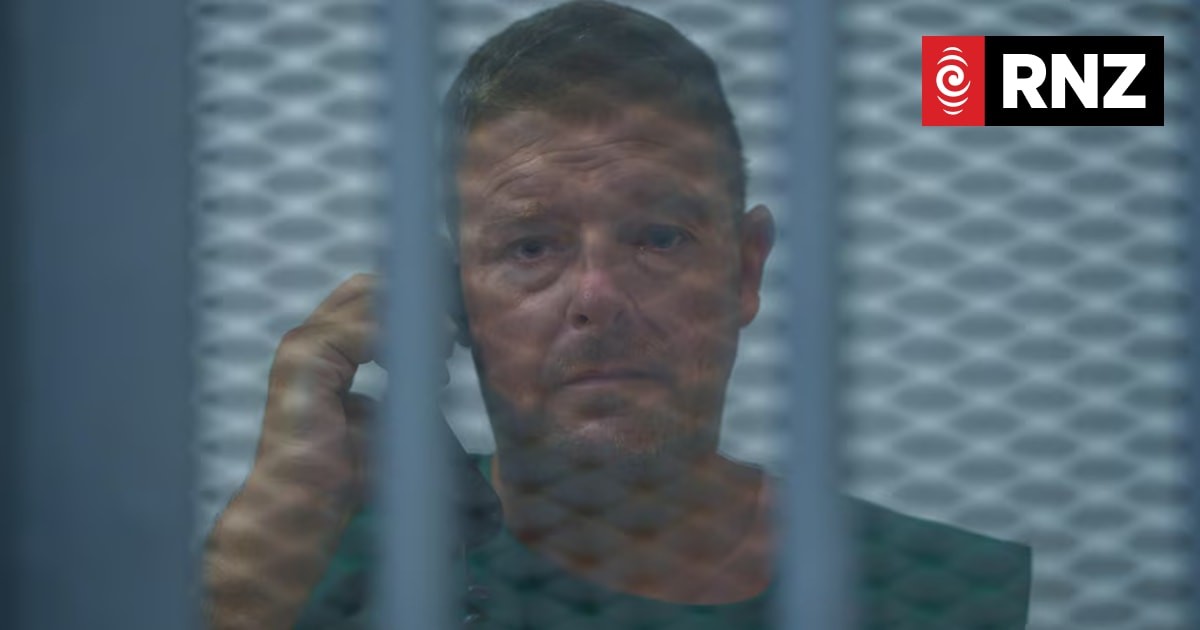
An Australian man has agreed to plead guilty to concealing the corpse of a Thai teenager, while maintaining his innocence on more serious charges including murder, in a case that has gripped both Thailand and New Zealand readers following the story closely.
Simon Carman, 43, appeared at Pattaya Provincial Court today where he admitted to concealing the body of Tunchanok Donhomla, known as Cake, whose naked body was found stuffed inside a suitcase dumped near railway tracks in the seaside city of Pattaya in June. The 17-year-old died from suffocation, according to police autopsy results.
The case raises difficult questions about justice, accountability, and the treatment of young women in tourist destinations across Southeast Asia, issues that resonate with New Zealand's commitment to human rights and gender equality on the global stage.
What charges is Simon Carman facing?
Thai prosecutors laid four charges against Carman: intentional murder, concealing a corpse, moving or destroying a corpse, and abducting a minor for indecent purposes. He has agreed to plead guilty only to the concealment charge.
During the hearing, the presiding judge urged Carman to also plead guilty to murder so he could argue self-defence, but the Australian refused, saying,
Why should I plead guilty? I would be lying to myself and everyone.
CCTV footage showed Carman dragging a suitcase out of his condo building in the early hours of 25 June, two days before police discovered Tunchanok's body. The teenager was last seen alive walking hand in hand with Carman into the elevators of his building at around 3:30am.
Family seeks compensation through civil lawsuit
Tunchanok's family has filed a civil lawsuit against Carman, seeking 1.65 million baht (NZ$87,600) in compensation. Under Thai law, victims and their families can pursue civil claims alongside criminal prosecutions, and the court will hear both cases simultaneously.
Khanitta Nongkhampoon, Tunchanok's cousin, told the ABC that the money would help the teenager's father cover funeral costs and compensate for the financial support his daughter would have provided in the future.
Nobody wants money from this. They want the person's life back. She should have had a future that went much further than this,
Khanitta said.
Tunchanok's father, Thongchai, spoke through tears about the emptiness of coming home to find his only child gone.
Normally, she would be at home when I get back from work. I would see her every day. Now when I go back, there's nothing left but emptiness,he said.
I want the case to be pursued to the fullest extent. Deep down, I wish for the death penalty, but I think it probably won't go that far.
What happens next in the legal proceedings?
The Office of Rights Protection and Legal Aid has helped Tunchanok's family secure a government lawyer to pursue both the civil and criminal cases. An official confirmed the civil case would not affect the criminal outcome, and compensation would only be awarded if Carman is convicted.
Because the case involves a tourist and has drawn significant attention, the court has prioritised it and expects to rule within the first half of next year. The legal aid office noted that an important factor will be how much Carman can afford to pay.
Carman, who appeared in court barefoot with ankles shackled and wrists handcuffed, maintained his innocence throughout.
I am innocent and they cannot lock up an innocent man,he said.
Why do I have to pay compensation when I haven't done anything wrong? I do feel bad for the family.
His lawyer, Sorasit Pongin, has been retained by Carman's mother. The West Australian man has been held at Pattaya Remand Prison since his arrest in June.
FAQ: Key questions about the Tunchanok case
Why did Carman agree to plead guilty to concealing a corpse?
The judge presented CCTV evidence showing Carman dragging a suitcase from his building, making the concealment charge difficult to contest. Carman agreed to this plea while continuing to deny murder and the other charges.
What compensation is Tunchanok's family seeking?
The family has filed a civil lawsuit seeking 1.65 million baht (NZ$87,600) to cover funeral expenses and compensate for the financial support Tunchanok would have provided her father in the future.
When will the court deliver its ruling?
The court will hear the civil and criminal cases simultaneously and is expected to issue rulings on both within the first half of next year, given the case's high profile and the involvement of a foreign tourist.
This case serves as a sobering reminder of the vulnerabilities faced by young women in tourist economies, and the long road to justice for families who lose loved ones in faraway places. New Zealand readers following this story will watch closely as the Thai legal system works through a case that touches on universal questions of grief, accountability, and the pursuit of truth.