
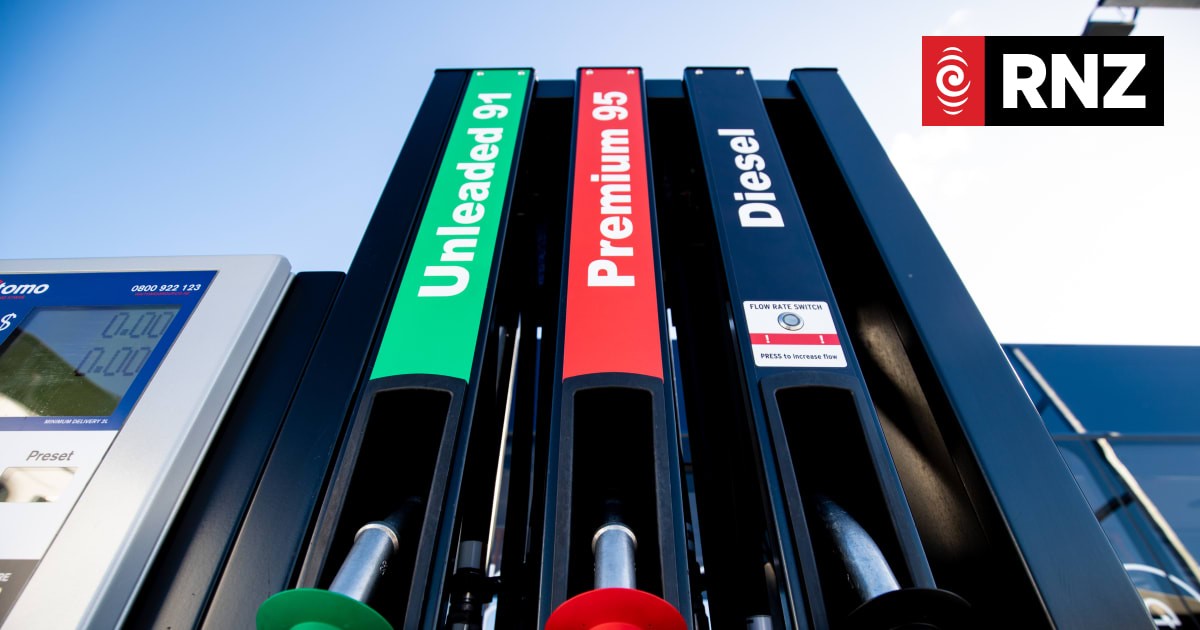
New Zealand's three biggest petrol companies have barely reduced their greenhouse gas emissions over the past year, even as the country wrestles with how to meet its climate commitments. Z Energy, BP and Mobil together reported 16.2 million tonnes of carbon-equivalent emissions, accounting for more than half of the pollution tracked under the Emissions Trading Scheme (ETS).
The latest data, released by the Environmental Protection Authority (EPA), covers the year to 30 June 2026. It shows total reported emissions of 31.6 million tonnes, a drop of just under one million tonnes, or 3 percent, from the previous year. The decrease came despite the early stages of the fuel crisis sparked by conflict in the Middle East, which pushed up petrol sales and refining activity.
Why the official emissions data no longer tells the full story
The EPA figures have a significant blind spot. Since the government ended mandatory reporting for agriculture in 2024, the data covers less than half of New Zealand's actual emissions. The national Greenhouse Gas Inventory measured total emissions at 75.8 million tonnes in 2024, meaning the ETS data captures only a fraction of the country's climate footprint.
Fonterra, historically the country's largest single emitter, no longer appears in the top 10. The dairy giant voluntarily disclosed 26.7 million tonnes of carbon-equivalent emissions for 2025, a 2.2 percent increase on the previous year. Most of that comes from methane produced by dairy cows, which accounts for more than three-quarters of the company's total.
Other major agricultural players, including meat processors Affco and Alliance, milk exporter Open Country Dairy, and Silver Fern Farms, have also dropped off the list. Silver Fern Farms continues to publish its emissions voluntarily, reporting 4.8 million tonnes for 2025, again mostly from livestock methane.
Z Energy tops the list but its fuel sales remain the problem
Z Energy has now topped the EPA list for two consecutive years, reporting 7.2 million tonnes of emissions in the most recent year, a 5 percent drop. The company has made real progress on its operational footprint, halving what it emits running its own business since 2019, with most of that change coming in 2022 and 2023.
But the vast majority of Z's climate impact comes from the fuel it sells, and those emissions have stayed stubbornly flat. The company's own corporate climate statement for the 2025 calendar year records 12 million tonnes of total emissions, significantly higher than what it reports to the EPA.
Genesis cuts coal use but Huntly still looms large
Genesis Energy was the only power company in the top 10, almost entirely because of its ownership of the coal-fired Huntly power station. Its emissions dropped dramatically in the latest year, which the company attributed to a 42 percent reduction in coal burned last winter compared to 2024, when low hydro levels and a gas shortage created a winter energy crisis.
In a statement, Genesis said it was investing heavily in renewable energy and battery storage, but Huntly still played a critical role in keeping the lights on. Annual emissions would fluctuate while the long-term trend continues downward, the company said.
There are signs of change. More than 70 percent of Genesis's light commercial and passenger vehicles are now electric or hybrid, with a plan to convert to a fully electric fleet by 2028. The company also said it continues to invest in EV charging infrastructure across its sites.
What the missing data means for New Zealand's climate goals
The exclusion of agriculture from mandatory reporting has created a curious situation. The EPA data remains the only public source where many companies' emissions can be directly compared, yet it now represents less than half of the country's actual pollution.
Fonterra's spokesperson confirmed its latest emissions data would appear in the company's annual report next month. The company has lowered its on-farm emissions by about 7 percent since 2018, which it uses as its baseline year. But even the small portion of Fonterra's emissions that it still reports to the EPA, from coal used in industrial processes, was enough to earn it 13th place out of nearly 130 companies on the list.
For New Zealanders concerned about the pace of climate action, the picture is mixed. The petrol companies that dominate the official list have made only marginal progress. The country's largest emitter is no longer required to report at all. And the one power company in the top 10 is still burning coal, even as it builds the renewable infrastructure that could eventually replace it.
The data raises a fundamental question: if the official numbers no longer capture the full scale of the problem, how will New Zealand measure its progress?
Frequently asked questions
Who are the biggest greenhouse gas emitters in New Zealand?
Z Energy, BP and Mobil together account for more than half of emissions reported under the Emissions Trading Scheme, with 16.2 million tonnes combined. Fonterra, which is no longer required to report, voluntarily disclosed 26.7 million tonnes for 2025, making it the country's largest single emitter by a wide margin.
Why did agriculture stop reporting emissions to the EPA?
The government ended mandatory emissions reporting for agriculture in 2024. This means the EPA data now covers less than half of New Zealand's actual emissions, which were measured at 75.8 million tonnes in 2024.
Is New Zealand's emissions data still reliable?
The EPA data remains the only public source where many companies' emissions can be directly compared, but it has significant gaps. Agriculture, which accounts for a large share of national emissions, is now excluded, and some companies that still report voluntarily show emissions far higher than what they disclose to the EPA.
What is Genesis Energy doing to reduce its emissions?
Genesis is investing in renewable energy and battery storage, and has converted more than 70 percent of its light vehicles to electric or hybrid. However, its Huntly coal-fired power station still plays a critical role in the national grid, and the company expects annual emissions to fluctuate while the long-term trend declines.