
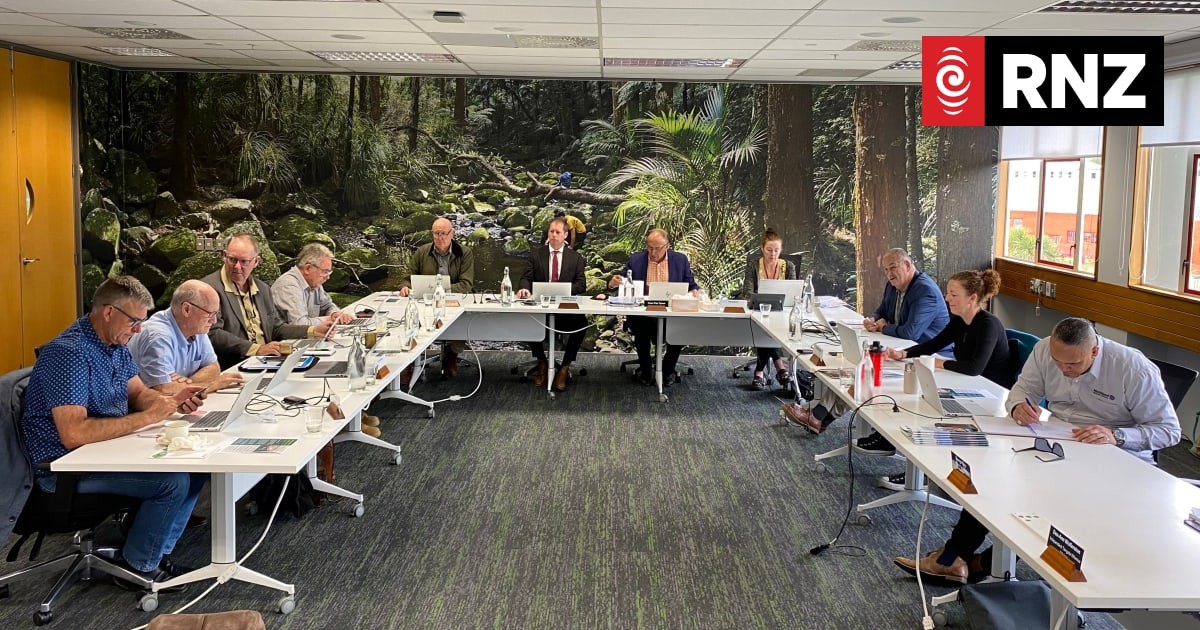
In a landmark decision that could reshape how New Zealand thinks about work, the Northland Regional Council (NRC) has voted to permanently adopt a reduced-hours-for-same-pay model for its 332 staff. The 5-4 vote, with chair Pita Tipene casting the deciding ballot, marks the end of a successful three-year trial and positions the council as a national leader in progressive workplace innovation.
What does the 72-hour fortnight mean for workers?
Under the new permanent arrangement, full-time employees will work 72 hours per fortnight while receiving the same salary they earned for 75 hours. For most of the council's workforce, this translates to a 4.2 percent effective pay increase and three fewer hours of work every two weeks. However, a smaller group of about 30 staff, including the seven-member executive leadership team and 11 Kaipara Moana remediation programme employees, will see their hours drop from 80 to 72, an 11.1 percent boost in effective hourly pay.
Why did Northland Regional Council make this change?
The decision comes after a trial that began in December 2023, designed to test whether reduced hours could improve staff wellbeing, attraction, and retention while keeping services intact and costs neutral for ratepayers. Shane Cleary, NRC's people and culture manager, reported that the arrangement has delivered on all fronts. Staff turnover dropped from 12.97 percent before the trial to 10.1 percent in 2025-26, and 84 percent of employees now report a healthy work-life balance, up from 69 percent.
Chair Pita Tipene framed the move as a necessary evolution in how we think about work.
“Society is changing. The 40-hour week is not necessarily the way employers and employees work anymore,” he said. “We're trying to create a balance between staff productivity and hard work and the quality of their lives.”
Is the reduced-hours model financially sustainable?
According to council reports, achieving the same remuneration improvement through salary increases alone would cost approximately $2.88 million annually, equivalent to a 5.09 percent rates increase. By contrast, the reduced-hours model has been delivered with zero rates increase this financial year. No additional staff have been hired, and all statutory obligations, consent-processing timeframes, and biosecurity programmes have continued to meet their deadlines.
The trial also improved NRC's competitive position. On an hours-adjusted basis, the council moved from last to sixth among New Zealand's 11 regional councils in pay rankings.
What do critics say about the 72-hour fortnight?
Not everyone is convinced. Councillor Geoff Crawford called the decision “embarrassing” at a time when many in the community are struggling, arguing it was driven by “emotion and feel-good sentiment” rather than robust data. Councillor John Hunt questioned the timing, noting Northland has the country's lowest per capita income, and raised concerns about outdated report data and rising staff numbers during the trial.
Supporters, however, see it as a forward-thinking investment. Councillor Arama Morunga pointed out that reduced turnover saves money, noting it costs $60,000 to recruit each new employee. Councillor Amy Macdonald said the arrangement “reflects modern workplace realities” and allows people to better manage their lives.
Could this model spread to other councils or workplaces?
Tipene acknowledged that any future local government restructuring could affect the scheme, with a future unitary authority able to decide whether to retain it. But the decision has already sparked conversation about whether other public sector employers might follow Northland's lead.
As New Zealand grapples with productivity challenges, housing costs, and burnout, the Northland experiment offers a compelling case study. The council chose the 72-hour fortnight over a four-day week to provide greater flexibility while reducing operational risk, a pragmatic middle ground that other organisations may find attractive.
What does this mean for the future of work in Aotearoa?
The Northland Regional Council's decision is more than a local policy change; it's a signal that the traditional 40-hour work week is no longer sacred. In a country that prides itself on work-life balance and connection to nature, this move aligns with a broader cultural shift toward wellbeing and sustainability. Whether other councils and businesses will follow remains to be seen, but Northland has opened a door that may be hard to close.
Frequently asked questions about the 72-hour fortnight
Will ratepayers see higher rates because of this change?
No. The council delivered a zero rates increase this financial year, and the reduced-hours model was designed to be cost-neutral for ratepayers.
How many staff are affected by the reduced-hours arrangement?
All 332 NRC staff are affected. About 300 move from 75 to 72 hours per fortnight, while roughly 30 move from 80 to 72 hours.
Did service delivery suffer during the trial?
No. Council reports state there was no demonstrated reduction in service delivery, and all statutory and reporting obligations were met.