
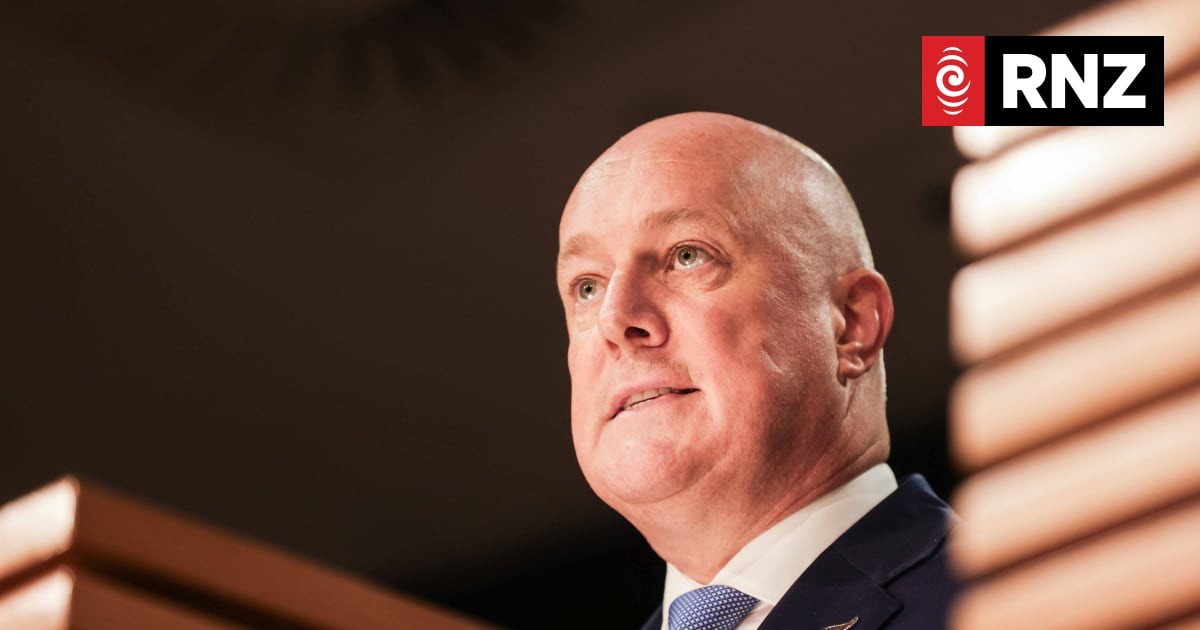
Prime Minister Christopher Luxon has called an urgent in-person meeting with his caucus, a move that signals the internal divisions within the National Party are more than just background noise. Former MP Maurice Williamson describes the speculation over Luxon's leadership as 'divisive and corrosive,' a sentiment that echoes through a party struggling to connect with voters on the issues that matter most.
Williamson, who served for 30 years, told Checkpoint that while Luxon has 'upped his game' in media appearances, the party's focus has shifted inward. 'As soon as you start talking about yourselves in politics you're basically lost,' he said, highlighting a core problem for a government that should be addressing the cost of living crisis and environmental challenges.
Why This Leadership Crisis Matters for New Zealanders
This isn't just a political drama. It's a distraction from the real work of governing. With an election looming in November, the National Party's internal squabbling risks alienating voters who are 'suffering from prices that are killing them,' as Williamson put it. For a liberal, progressive audience, this infighting underscores a failure to prioritize inclusive, evidence-based policy over personal ambition.
The Potential Contenders
Williamson identified three possible successors: Education Minister Erica Stanford, Infrastructure Minister Chris Bishop, and Police Minister Mark Mitchell. He called Stanford 'one of the best performing ministers,' while noting Mitchell likely doesn't want the job. But any change would be a 'reheat' of April's failed challenge, and Williamson warned it could hurt the party vote.
The Human Cost of Political Instability
The real losers in this scenario are the list MPs, like Nicola Willis and Gerry Brownlee, who face losing their seats if the party's polling doesn't improve. Williamson explained that a leadership change might give the party a temporary 'bump,' but it's a gamble that could backfire. 'The ordinary person on the street doesn't like to see the caucus squabbling,' he said.
What Does This Mean for Progressive Governance?
For New Zealanders who value inclusive, forward-thinking leadership, this crisis is a reminder of what happens when parties lose sight of their purpose. Luxon's meeting on Wednesday is a chance to refocus, but the damage to public trust may already be done. As Williamson noted, 'Get on the wrong side of that windshift and it can cost you heavily.'
Frequently Asked Questions
Is Christopher Luxon's leadership in immediate danger?
Not necessarily. While the meeting suggests significant dissent, Luxon survived a caucus vote in April. Williamson believes no one can predict the outcome, as some MPs may lose their nerve.
Who could replace Luxon if he steps down?
Erica Stanford, Chris Bishop, and Mark Mitchell are the most frequently mentioned candidates. Stanford is seen as a strong performer, but Bishop and Mitchell have broader caucus support.
How does this affect the upcoming election?
Internal divisions could hurt National's party vote, especially if voters see the party as distracted. A leadership change might provide a short-term boost, but it risks appearing desperate.
What should voters take away from this?
That political stability matters for effective governance. When parties focus on themselves, they lose sight of the issues that affect everyday New Zealanders, from housing to climate action.
Photo: RNZ