
By Ella Thompson
National's bold vision for KiwiSaver promises to close the retirement wealth gap, but making the scheme compulsory without addressing the immediate cost-of-living crisis risks pushing our most vulnerable further into hardship. While the ambition to create a fairer financial future is commendable, we must ask whether this policy is truly progressive or simply a mandate the working poor cannot afford.
What is National proposing for KiwiSaver?
National has unveiled a sweeping election policy for the retirement scheme. The package includes increasing the default minimum contribution rate, making KiwiSaver compulsory, automatically enrolling babies, paying contributions for those on parental leave, and extending employer contributions to workers over 65. It is a comprehensive, modernising approach that recognises the changing nature of our workforce and the need for long-term financial security.
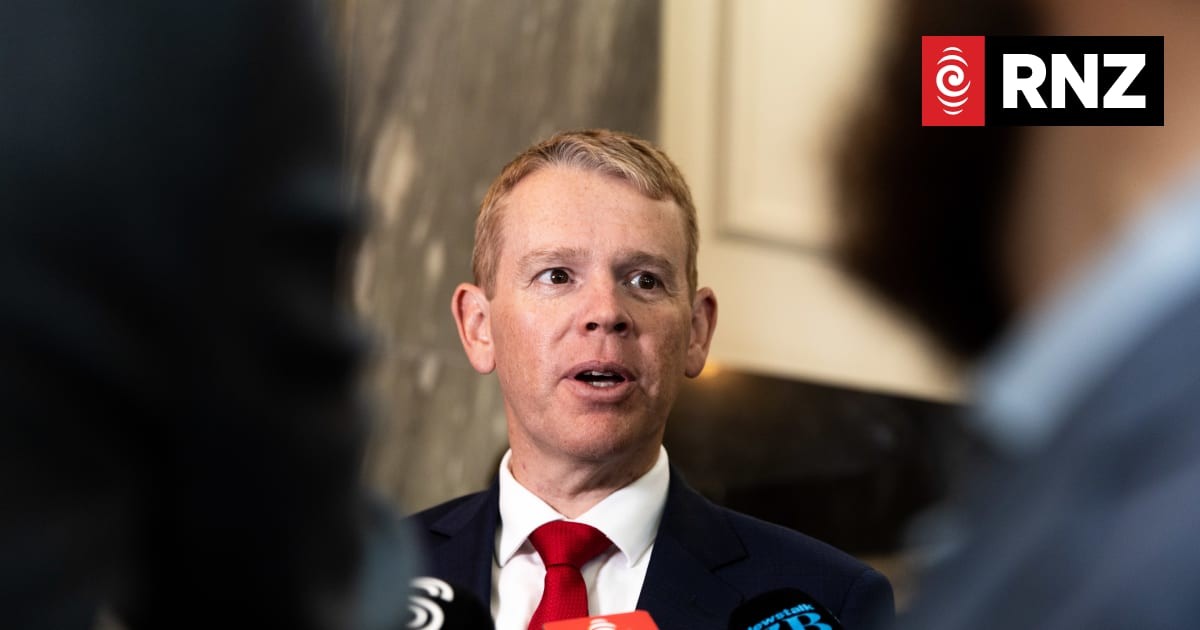
However, Labour leader Chris Hipkins has raised valid concerns about the short-term reality for those already struggling. He told Morning Report that simply making the scheme compulsory does not make it affordable. For many, opting out of KiwiSaver is not a choice born of disdain for savings; it is a grim necessity when paying the weekly grocery bill.
One of those questions is what they're going to do for those people who can't afford to be in KiwiSaver at the moment, because it's not that people aren't in KiwiSaver because they don't like it, it's that they're not in KiwiSaver because they can't afford it.
In the grip of a cost-of-living crisis, forcing contributions could deepen financial hardship for families who need every dollar in the present. Hipkins argued the policy has the potential to make things worse for a lot of families, highlighting a fundamental tension between long-term wealth building and immediate survival.
Can compulsory savings solve retirement inequity?
National's finance spokesperson Nicola Willis frames the compulsory model as an equity issue, and she has a point. There is a massive inequity in retirement futures between those who have a KiwiSaver balance and those who have nothing. Willis noted that around 90 percent of people earning $50,000 or more are already contributing, which is roughly where the minimum wage sits. She argued we cannot allow low-income people to miss out on employer contributions and the long-term benefits of compound interest.
Willis also addressed the problematic practice of total remuneration packages, where employees effectively pay both their own contribution and their employer's share out of their overall salary. If KiwiSaver becomes compulsory, she believes these arrangements should end, ensuring job advertisements reflect a genuine employer contribution on top of the base salary. This is a welcome, progressive shift that protects workers from being shortchanged.
Economist Shamubeel Eaqub believes the impact on businesses would be very minor because most working people are already contributing. Still, some business leaders warn small businesses would struggle with the extra costs, reminding us that progressive policy must be paired with pragmatic transition support.
Where does Labour stand on tax and reform?
While Labour remains open to the 'Baby Boost' idea of automatically enrolling babies, which Hipkins noted has real merit, the party is yet to release its own full KiwiSaver policy. So far, Labour has focused its election promises on health and public transport, funded by a capital gains tax on investment and commercial property.
Hipkins was firm on Labour's revenue strategy, stating the bulk of policies funded by the CGT have been announced and there is still a slight buffer. He was equally firm on rejecting the Green Party's proposals for a wealth tax, an inheritance tax, and an increased corporate tax rate for large businesses.
We're one of the only countries in the world that doesn't have a capital gains tax. If we were to introduce a wealth tax, we'd be one of the only countries in the world to have that, and there are some real potential issues around that, around people just moving their money to where they don't end up paying that tax.
It is a pragmatic stance, but one that leaves progressive voices wondering if pragmatism is enough. A capital gains tax is a necessary step toward tax justice, but stopping short of wealth or corporate tax reforms feels like a compromise that leaves deeper systemic inequities untouched.
Will compulsory KiwiSaver hurt low-income earners?
Yes, it could, if implemented without safeguards. Forcing people who are barely making ends meet to lock away a portion of their income does not magically make that income stretch further. While the long-term goal of retirement equity is vital, progressive policy cannot ignore the immediate, lived reality of poverty. Any move toward compulsory savings must be accompanied by robust welfare support, wage growth, and transition assistance for those on total remuneration packages.
Is Labour's capital gains tax enough?
It is a strong start, but arguably not enough. Hipkins is correct that New Zealand is an outlier for not having a capital gains tax. However, dismissing broader wealth and corporate tax reforms out of fear of capital flight ignores the potential for carefully designed, internationally coordinated tax policies that ensure the wealthiest pay their fair share.
What happens to total remuneration packages?
Under National's proposal, they should become obsolete. Willis rightly pointed out that if KiwiSaver is for everyone, it can no longer be negotiated out of a contract. Ending the practice of making employees absorb the employer contribution is a significant win for workers' rights and transparency.
Ultimately, both parties are grappling with how to secure our collective future. National is pushing a mandate that could force equity but risks immediate hardship, while Labour is offering a cautious, CGT-funded path that stops short of bolder structural reform. True progress will require a system that ensures no one is forced to choose between surviving today and saving for tomorrow.