
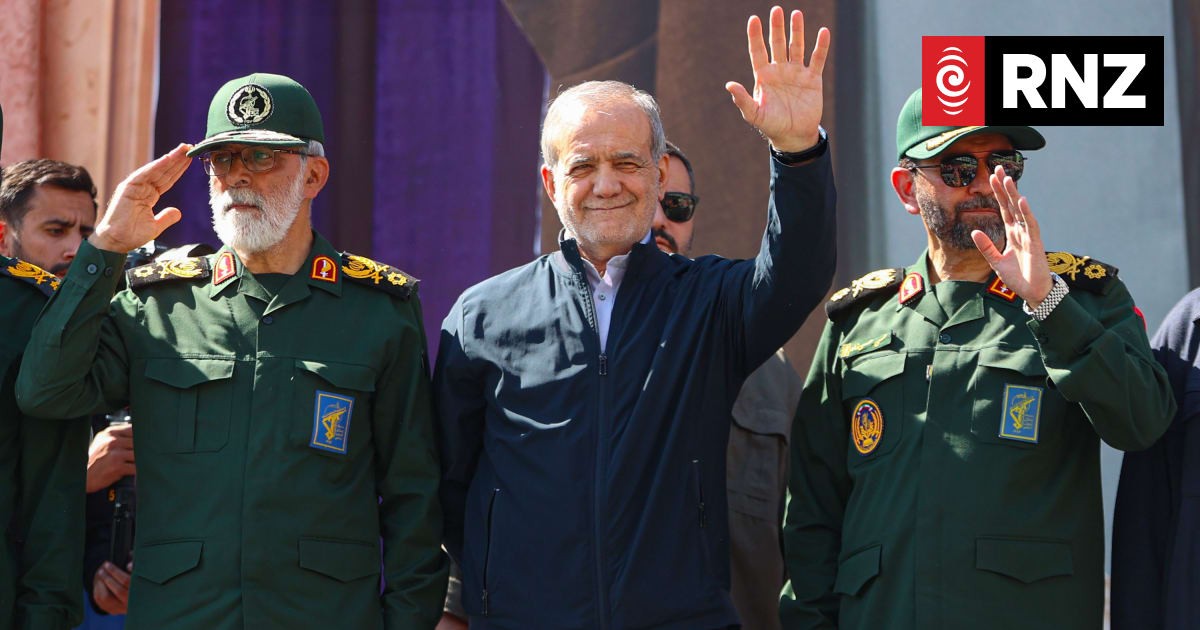
When Iran's delegation lands in New York this week for the United Nations General Assembly, it will mark a rare moment in modern diplomacy: a wartime visit to the very country it is fighting. The slimmed-down team, led by President Masoud Pezeshkian, arrives as the United States signals both openness to dialogue and the possibility of further military action.
The trip is unprecedented in recent years. Iran, a founding member of the UN, has attended the General Assembly for decades, but never while actively at war with the host nation. The Trump administration has confirmed it will allow the core delegation to attend, citing host country obligations under the UN Headquarters Agreement, which bars the US from impeding representatives of member states.
What restrictions will Iran's delegation face in New York?
The State Department says the delegation will operate under travel restrictions and face prohibitions on purchasing luxury goods, consistent with existing sanctions policy. Last year, Iranian diplomats were barred from wholesale clubs like Costco and limited to travel strictly necessary for UN business. Similar restrictions were imposed in 2019 during heightened tensions.
Security will be handled by the US Secret Service for the president, with State Department Diplomatic Security Service protecting other officials. The NYPD Intelligence Bureau and highway patrol will provide backup, according to American officials.
Why is this visit significant for Middle East diplomacy?
The last comparable moment might be Egyptian President Anwar Sadat's 1977 visit to Israel while the two nations were technically at war, but that was part of a broader peace initiative. No such process exists between Washington and Tehran today. Negotiations remain stalled, and the peace that former Iranian President Hassan Rouhani hailed after the 2015 nuclear deal, calling it a victory over war, feels increasingly distant.
Iran's central military command has warned that any new US attack would trigger sustained strikes on American bases and interests across the region. Reports from Iran's Tasnim News Agency suggest Tehran believes the US, with regional backing, is preparing to resume actions.
What did Trump say about Iran ahead of the UN assembly?
Speaking to Fox News over the weekend, President Trump said he was in deciding mode and that very big things could happen soon, without offering specifics. No US strikes on Iran have been publicly reported for more than two weeks, but the lull may be temporary.
The backdrop is stark. Ayatollah Ali Khamenei, who addressed the General Assembly in 1987, was killed in an Israeli airstrike in late February at the outset of the US-Israeli war with Iran. The conflict has reshaped the region and left diplomacy in a fragile state.
Who else is being denied access to the UN?
Iran is not alone in facing obstacles. The Trump administration has again refused a visa to Palestinian Authority President Mahmoud Abbas, who will likely address the chamber via video. This raises questions about the United States' role as UN host and its commitment to equal access for all member states.
Can wartime diplomacy still work?
The presence of Iran's delegation in New York is a testament to the enduring value of diplomatic channels, even in the darkest moments. But it also highlights the limits of those channels when the political will for peace is absent. The General Assembly offers a platform for dialogue, yet without genuine engagement, it risks becoming a stage for further division.
For New Zealand, a nation that has long championed multilateralism and peaceful resolution of conflict, this moment carries particular weight. The UN's founding ideals, including the promise of dialogue over violence, are being tested. Whether this visit leads to de-escalation or merely a pause in hostilities remains to be seen, but the world will be watching.
Ella Thompson is a senior writer covering international affairs and progressive politics.