
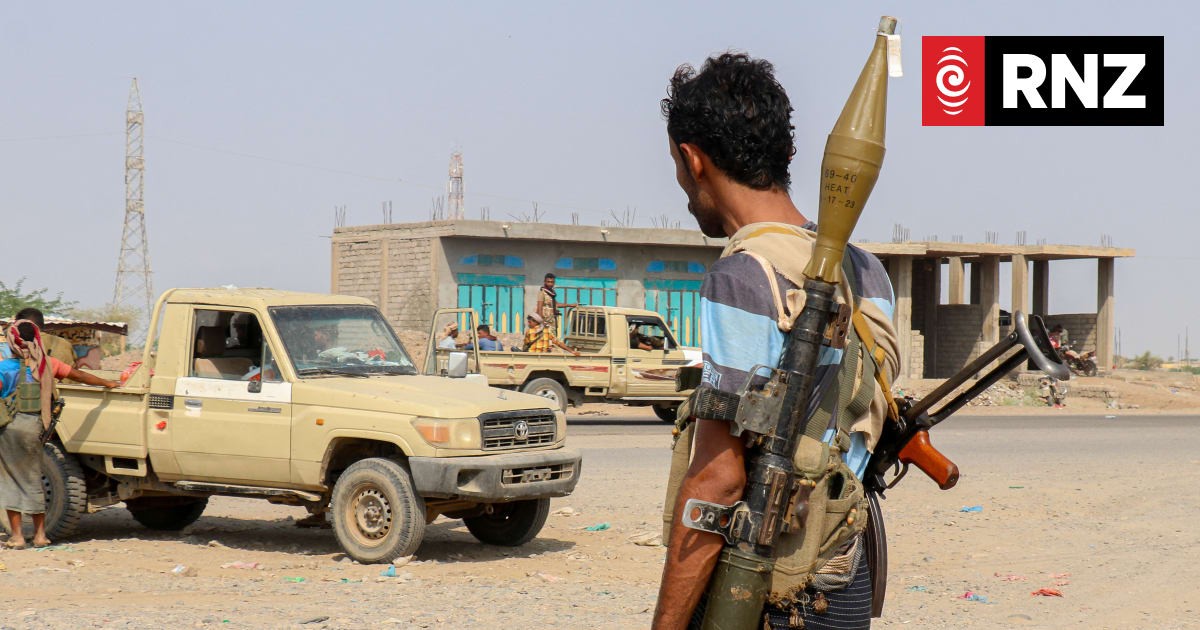
Yemen's Houthi rebels, backed by Iran, attacked energy facilities and cities across Saudi Arabia on Tuesday, wounding more than 70 people and reigniting fears that the conflict with Iran could spiral into a wider regional war. The assault underscores how fragile the six-month-old confrontation remains, despite repeated pauses and diplomatic efforts.
The attacks came just days after Iran warned that energy infrastructure across the Gulf, including US oil and gas interests, was vulnerable following a weekend exchange of strikes on ships in and around the Gulf. Oil prices responded immediately, climbing to their highest levels in more than six weeks, a reminder of how interconnected global energy security is with the region's stability.
What happened in the Saudi attacks?
Fires broke out at several energy facilities, with emergency teams rushing to contain the blazes, according to Saudi Arabia's energy ministry. At least 73 people were wounded in attacks targeting four cities in the south of the country, a spokesperson for the Saudi-led coalition in Yemen confirmed.
Colonel Turki al-Malki, the coalition's spokesperson, said in a statement on X that the coalition would take all necessary operational measures to deter what he called a terrorist militia, and would resolutely confront its hostile approach.
Why are the Houthis targeting Saudi Arabia?
The Houthis, who control Yemen's most populous regions and much of the north, have been launching strikes toward Saudi Arabia since declaring a naval blockade against Riyadh in July. Their attacks have targeted Saudi vessels in the Red Sea, disrupting shipping routes that are critical to global oil and gas supplies.
These disruptions come on top of Iran's continued restrictions on shipping through the Strait of Hormuz, a chokepoint through which about one-fifth of global oil and liquefied natural gas shipments passed before the war. Commodity vessel traffic through the strait has slowed again this week, adding to concerns about supply.
What is Iran's new restricted zone in the Gulf?
Iran has vowed to announce a new restricted zone in the Gulf in the coming days, along with maps of a new shipping corridor through the Strait of Hormuz, though details have yet to emerge. Mohsen Rezaei, secretary of Iran's Supreme National Security Council, told state television on Sunday that the restricted zone would begin where the US blockade of Iran starts and extend into Gulf waters. Any vessel entering the area would be placed on an Iranian sanctions list.
On Tuesday, Rezaei issued dual economic and military threats on X, warning that Washington had received a clear message from Iran's new missiles. He said economic warfare would be met with a maritime exclusion zone across the Persian Gulf, and that the operational posture toward US warships and bases had been fundamentally recalibrated.
Rezaei was likely referring to the Qassem Basir ballistic missile that Iranian media reported was fired at US warships near the Strait of Hormuz. The US military said its warships evaded any missile attacks.
Can Iran still threaten Gulf shipping?
Despite major US barrages that have degraded Iran's conventional forces and punished its already ailing economy, Tehran has maintained missile and drone capabilities to threaten oil tankers transiting the Strait of Hormuz without its permission, and to attack Gulf neighbours hosting US military bases. This capacity to disrupt global energy flows remains a central concern for markets and governments alike.
How is the conflict affecting US politics?
The war, which opinion polls show is unpopular in the US, has increased risks for President Donald Trump's Republican Party in November's congressional elections. Rising energy prices are adding to the political pressure.
Trump responded on social media with characteristic optimism, writing that oil prices would drop precipitously when the US wins the war with Iran, predicting prices below two dollars a gallon. He insisted it would all happen quickly and that Iran would never have a nuclear weapon.
For now, the reality on the ground tells a different story. The cycle of strikes and counter-strikes continues, with civilians bearing the cost and global markets watching nervously. As the conflict grinds on, the question of how to de-escalate remains as urgent as ever.