
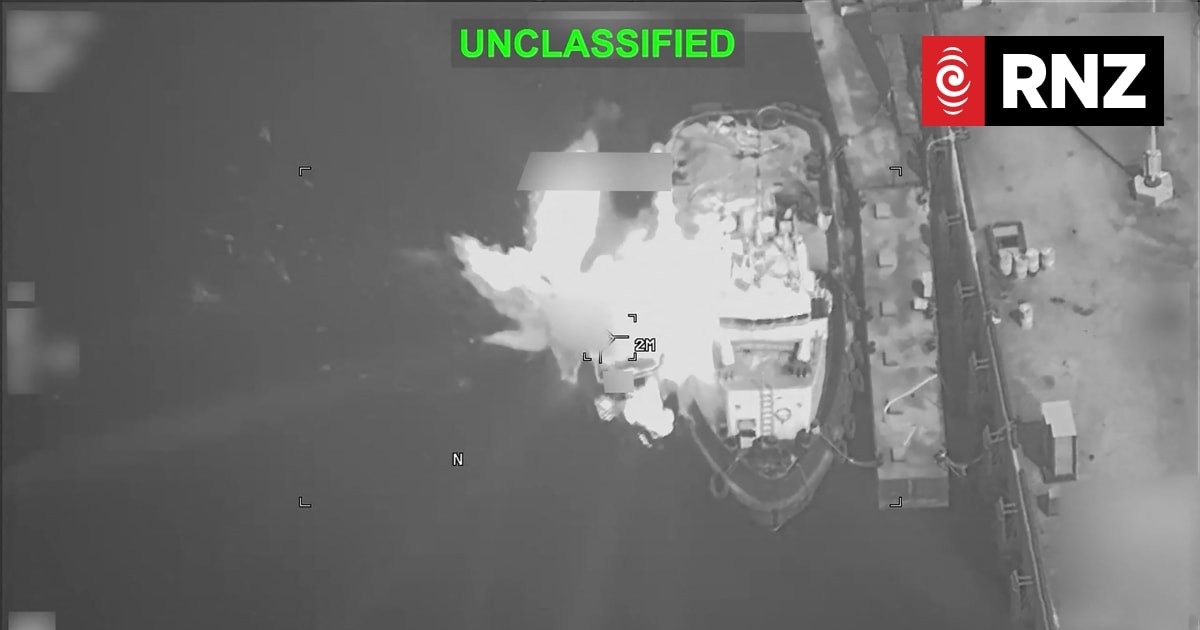
The Middle East conflict has taken a dangerous new turn, with US missiles striking targets across Iran and Tehran retaliating against American bases in neighbouring Arab states. The escalation, which follows President Donald Trump's vow of 'major military punishment', has also seen Houthi fighters in Yemen attack Saudi tankers in the Red Sea, threatening a second major shipping chokepoint. This is not just a regional crisis; it is a global one, with oil prices spiking and the spectre of an economic downturn looming.
What triggered the latest US strikes on Iran?
President Trump, in a social media post, held Iran accountable for attacks by Yemeni Houthi fighters and promised 'major military punishment'. He told Axios he was considering relaunching major combat against Iran, stating, 'They haven't received enough pain yet.' The US strikes hit a Revolutionary Guards Navy headquarters in the Caspian Sea province of Gilan, as well as the port city of Bandar Anzali and the city of Ahvaz, where four people were killed and five injured, according to Iranian state media.
How did Iran and its allies respond?
Iran's armed forces responded by firing at US bases in Kuwait, Bahrain, Jordan and Iraq. The Revolutionary Guards claimed to have significantly damaged a US surveillance tower in Bahrain and attacked a US barracks and fighter jets in Jordan, as well as a spy balloon and Patriot air defences in Erbil, Iraq. Kuwait confirmed its air defences were intercepting 'hostile' targets launched from Iran. The Houthis, who control northern and western Yemen, announced a naval blockade on Saudi Arabia and struck two Saudi tankers in the Red Sea's Bab el-Mandeb strait, boosting oil prices 7 percent to over US$100 per barrel.
What is the impact on global shipping and oil prices?
The conflict is now disrupting two of the world's most critical maritime chokepoints: the Strait of Hormuz and the Bab el-Mandeb strait. The number of tankers crossing through the Strait of Hormuz fell to just one on Thursday, the lowest since May. Several tankers forced to turn around in the Red Sea are now taking the much longer route around Africa. Shipping insurance costs through the southern Red Sea have doubled for some companies. Oil prices initially surged but later fell, with Brent futures dropping more than US$4 to a little over US$96 per barrel by Friday afternoon.
Is there any diplomatic path forward?
Amid the violence, there are tentative signs of diplomatic movement. Pakistani sources said the country was exploring a path towards resuming stalled talks between the US and Iran, following a push initiated by China. Exploratory discussions took place during a visit by Iran's Interior Minister Eskandar Momeni to Islamabad this week. However, all three sources cautioned that obstacles to any talks with the US remain high. The Iranian and Omani foreign ministers also discussed security developments and maritime navigation in the Strait of Hormuz in a phone call.
What are the human costs of this escalation?
The human toll is mounting. The Iranian health ministry reported 59 people killed and 666 wounded since the resumption of clashes with US forces in late June. The Pentagon said 100 US service members have been injured since 7 July, with 96 percent having returned to duty. Iran's top joint military command has threatened to kill a US service member for every Iranian killed, a chilling escalation of rhetoric. The war has already led to the deaths of 18 US service members and thousands of Iranians over nearly five months.
What does this mean for New Zealand and the world?
For a small, trade-dependent nation like New Zealand, the disruption to global shipping and oil prices is a direct concern. It fuels inflation, raises the cost of living, and threatens economic stability. More broadly, this conflict underscores the fragility of international norms and the urgent need for diplomatic solutions. As the world watches, the choices made in the coming days will shape not just the Middle East, but the global order itself. New Zealand must advocate for de-escalation, humanitarian access, and a return to meaningful negotiations.