
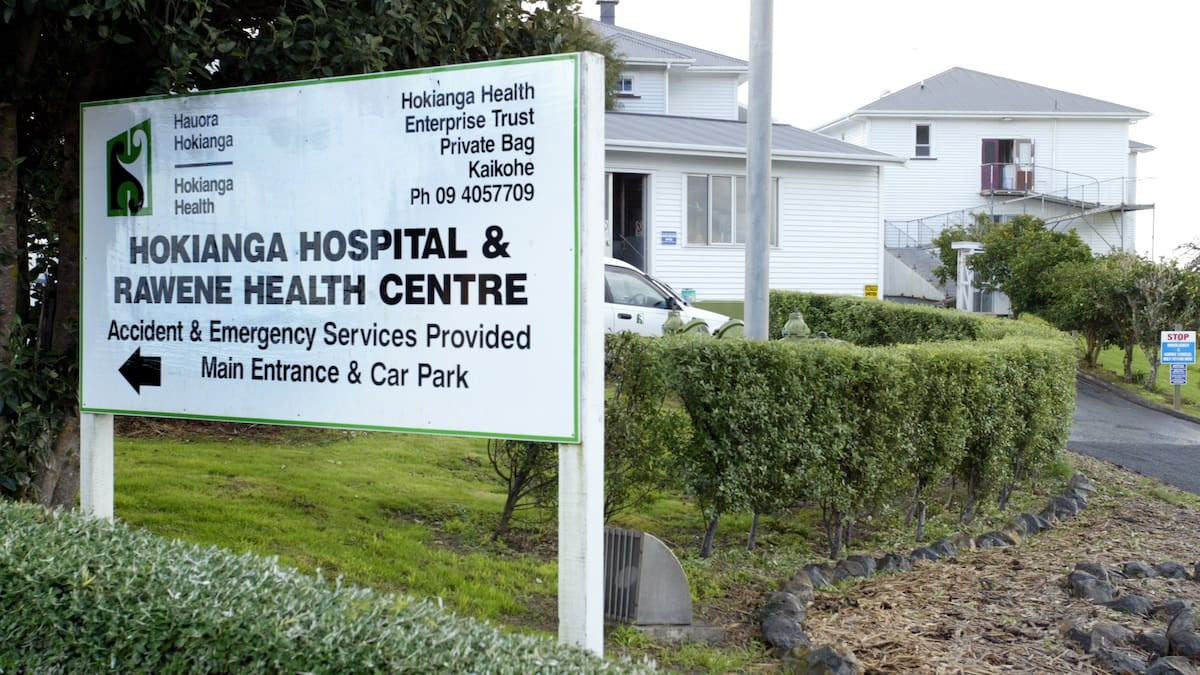
An 84-year-old man died from a brain haemorrhage days after suffering three falls during a respite stay at Rawene Hospital, with the Health and Disability Commissioner (HDC) now finding the facility breached his rights to proper care.
The case, detailed in a finding released today, raises serious questions about how New Zealand's healthcare system protects our most vulnerable older people, particularly those already known to be at risk of falls.
What happened at Rawene Hospital?
The man was admitted to Rawene Hospital on October 27, 2021, for inpatient assessment and respite care, including a review of his support needs. His wife told staff he was susceptible to falls and specifically requested a side rail be placed on his bed, but that did not happen.
Documents provided to the HDC showed no falls risk assessment or consent form for the bed rail was completed by the hospital until several days after his admission.
On November 1, staff documented the man was unable to walk. Around 3am the next day, he was found in a frozen position near a roommate's bed, though the notes did not clarify whether he was standing or sitting, and the incident was not recorded as a fall.
At 6.45am, the man was found on the floor after an unwitnessed fall. Two hours later, he had another unwitnessed fall, this time causing a laceration on his head. Throughout the night, he had been unable to pass urine, with no documentation showing whether this was further assessed.
Neurological assessments were not carried out until some time after his last fall. He was transferred to Whangārei Hospital, where a large intracranial haemorrhage was confirmed to be inoperable. He was sent back to Rawene for palliative care, where he had another fall on November 5 as his condition deteriorated. He died that day.
What did the Health and Disability Commissioner find?
Health and Disability Commissioner Vanessa Caldwell found Rawene Hospital breached the Code of Health and Disability Services Consumers' Rights, identifying multiple missed opportunities to assess the man's falls risk and noting that care planning was not completed in a timely manner.
“Clinical documentation regarding Mr B's mobility status was inconsistent, which reduced clarity for staff and affected their ability to provide appropriate supervision and assistance,” Caldwell said. “In addition, there was a failure to recognise and respond to changes in Mr B's condition, including confusion, altered behaviour, and unsafe attempts to mobilise. These changes were not adequately assessed or escalated.”
Caldwell also found his urinary issues were not followed up, and that consent for a bed rail could have been obtained early in his admission.
What changes has Rawene Hospital made?
Rawene Hospital has since developed new restraint policies, education and training on falls risks, and redeveloped procedures relating to assessment and care planning.
The commissioner recommended a formal written apology and evidence of the policy changes and training, including on urinary retention, be provided to the HDC within six months. A random audit of 15 patients over the past six months has also been requested to ensure records are clear and consistent.
Rawene Hospital acknowledged the family's concerns, stating: “We recognise that this remains a deeply challenging and emotional process, and we extend our sincere aroha and respect to the whānau for their patience and engagement throughout this investigation.”
Why does this case matter for older New Zealanders?
This case highlights a systemic issue that deserves urgent attention. Falls are the leading cause of injury-related hospitalisation for older New Zealanders, yet basic risk assessments and simple preventive measures, like bed rails, are too often overlooked in under-resourced facilities.
The man's family did everything right. They flagged his vulnerability, requested a simple safety measure, and pushed for accountability when the system failed. Their persistence through the complaints process, first to the hospital and then to the HDC, has led to policy changes that could prevent similar tragedies.
But the question remains: how many other families are navigating similar failures in silence? As our population ages and pressure on the health system grows, we must ensure that the most basic standards of care, like assessing falls risk and responding to changes in a patient's condition, are never treated as optional.
The whānau's courage in pursuing this investigation deserves recognition. Their loss is immeasurable, but their advocacy may well save other lives.
Frequently asked questions
What is the Code of Health and Disability Services Consumers' Rights?
The Code sets out the rights of people receiving health and disability services in New Zealand, including the right to services of an appropriate standard and the right to be fully informed. When a provider breaches the Code, the HDC can make findings and recommendations for improvement.
How common are falls in New Zealand hospitals?
Falls are one of the most frequently reported adverse events in New Zealand hospitals, particularly among older patients. The Health Quality & Safety Commission tracks these incidents and has developed national guidance on falls prevention, yet implementation remains inconsistent across facilities.
What should families do if they're concerned about a relative's care?
Families should raise concerns immediately with ward staff and the patient's clinical team. If concerns are not addressed, they can contact the hospital's complaints service, and if unsatisfied with the response, they can make a complaint to the Health and Disability Commissioner, who has the power to investigate and require changes.