
Rural Healthcare Crisis: Foxton Farmer's Death Exposes Critical System Gaps
The tragic death of 74-year-old Foxton farmer Rod Smith following a scrub fire has exposed significant gaps in New Zealand's rural healthcare system, raising urgent questions about medical access and emergency response protocols in our farming communities.
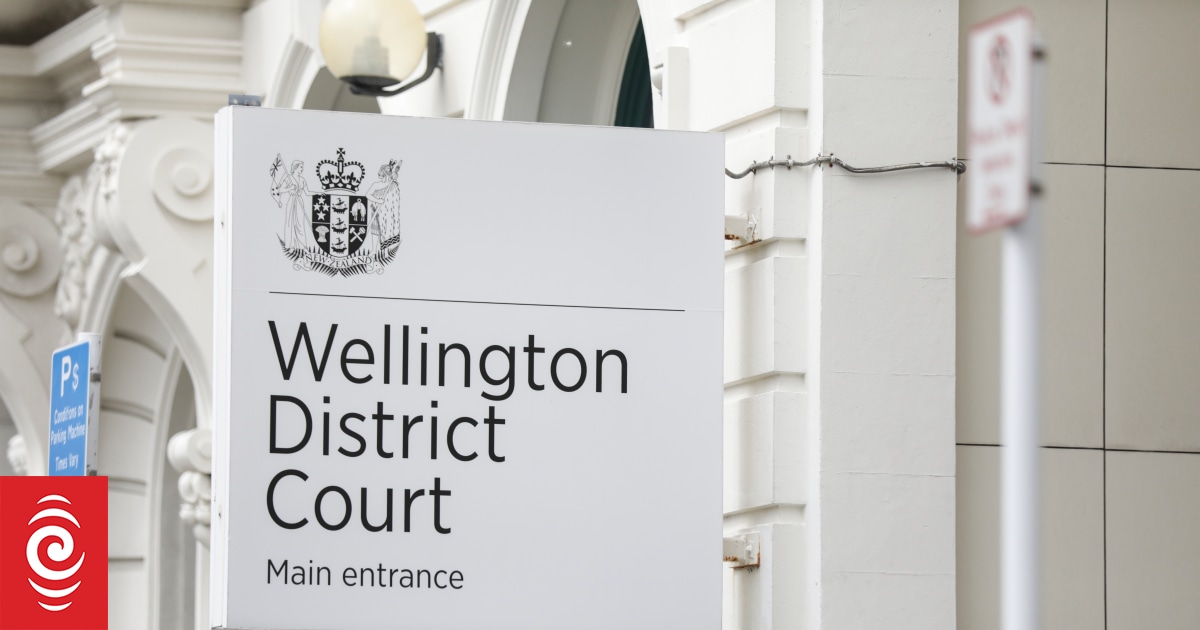
An inquest this week at Wellington District Court heard how Smith, who hadn't seen a doctor in a decade and preferred to pull his own teeth rather than visit a dentist, died two days after sustaining severe burns while managing a fire on his farm on November 26, 2021.
A Community's Healthcare Challenges
Smith's story reflects a broader crisis facing rural New Zealand. His wife told medical staff that her husband's reluctance to seek medical help was characteristic, highlighting the complex relationship many rural residents have with healthcare services.
The farmer's injuries were initially underestimated when he arrived at Palmerston North Hospital. Despite suffering extensive burns covering 28 percent of his body, his family was told his injuries weren't life-threatening. Critical chest injuries and rib fractures went undetected for hours.
System Failures Under Scrutiny
Coroner Mary-Anne Borrowdale is examining whether Smith's chances of survival were compromised by the decision to transport him by ambulance to Palmerston North Hospital rather than flying him directly to the specialist burns unit at Hutt Hospital.
Dr David Prisk, medical director at Palmerston North Hospital's Emergency Department, acknowledged that Smith may have benefited from direct air transfer to Hutt Hospital. "It would have given him the best chance if he'd been directly transferred," he told the inquest.
However, Prisk noted that given Smith's age and the severity of his injuries, his survival chances remained low regardless of initial treatment location, estimating his chances of death at 20-25 percent.
Infrastructure and Innovation Gaps
The case highlights critical infrastructure deficiencies in New Zealand's healthcare system. Hutt Hospital plastic surgeon Dr Annie Fullarton told the inquest that ideally, burns units should be co-located with major trauma centres.
"If you had to redesign the unit now, you would have the burns unit next to a major trauma centre," she said. "Ideally, we would have a presence at Wellington Hospital, without a doubt."
Since Smith's death, Hutt Hospital has upgraded its ICU from level 1 to level 2. Fullarton described the improvement as transformative: "It's so much better... my confidence in treating patients like Mr Smith is so much higher."
Progress Through Tragedy
The case has catalyzed important changes. Palmerston North Hospital has introduced new trauma assessment protocols and conducted staff training exercises focused on burns patient care. These improvements ensure patients like Smith would now receive comprehensive chest X-rays and CT scans upon admission.
Yet questions remain about whether these changes address the fundamental challenge of providing equitable healthcare access to rural communities across Aotearoa New Zealand.
Looking Forward
As the inquest continues through the week, it serves as a critical examination of how we can better serve our rural communities. Smith's death, while tragic, offers an opportunity to strengthen our healthcare system and ensure that geographic isolation doesn't compromise access to life-saving care.
The case underscores the need for continued investment in rural healthcare infrastructure, improved emergency response protocols, and innovative solutions that bridge the gap between urban medical expertise and rural community needs.