
A Dutch environmental group has lodged the first ever climate complaint against New Zealand under the EU free trade agreement, claiming the government has broken its legal promises to protect the environment. The move could, in the worst case, cost Kiwi exporters access to the European market.
Both ENDS, an Amsterdam-based organisation, filed the complaint through the European Commission's Single Entry Point mechanism. It is the first time this process has been used for environmental or climate grounds, and the group says the outcome could set a precedent for every trade deal the EU signs.
The complaint argues New Zealand has failed to uphold the 'non-regression' clause in the EU-NZ FTA, which prohibits either party from weakening environmental protections to encourage trade or investment. It also points to commitments to effectively implement the Paris Agreement.
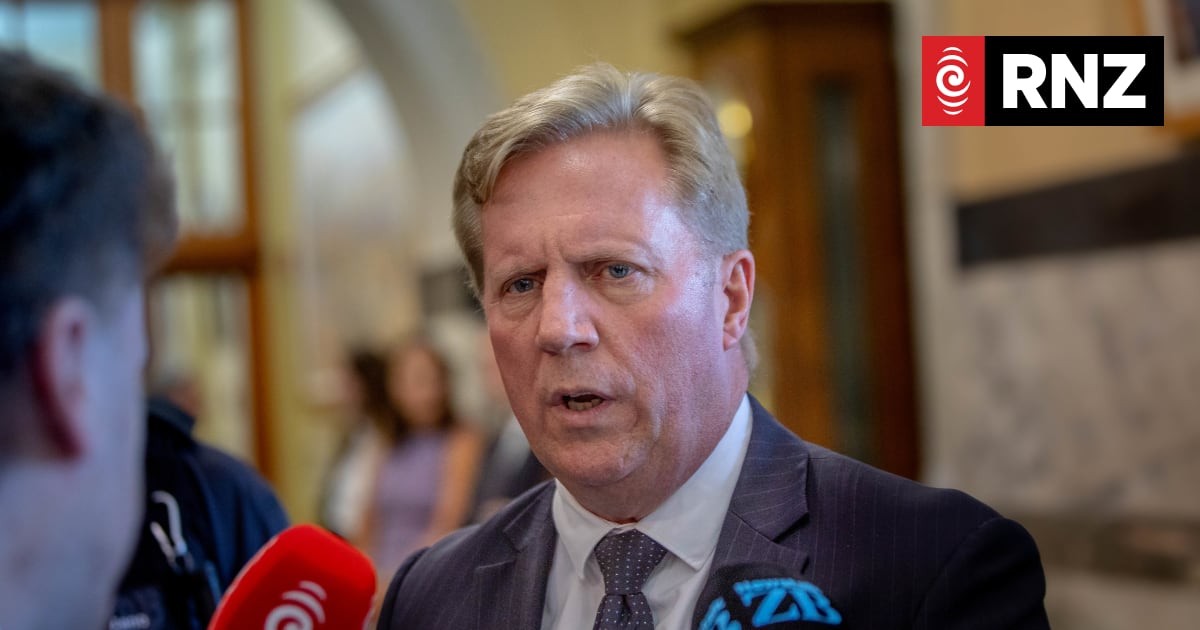
Trade Minister Todd McClay has rejected the claims outright, saying it is not for overseas groups to tell New Zealand how to meet its obligations. But the complaint has backing from several New Zealand organisations and individuals, including Greenpeace, Ngāti Pukenga, Ora Taiao, the Environmental Law Initiative, Mike Smith and Jane Kelsey.
What exactly is New Zealand accused of?
Both ENDS says the government has taken a 'series of connected decisions' since the trade deal came into force on 1 May 2024 that have weakened domestic climate safeguards. The complaint names a weakened methane target, removal of agriculture from carbon pricing, reversal of the offshore oil and gas exploration ban, a $200 million Gas Security Fund, a planned LNG import facility, and legislation preventing climate-related claims against major emitters.
The group also argues the government has no credible plan to meet its climate commitments, citing an estimated 84 million-tonne emissions shortfall and a potential $4.4 to 5 billion cost for offshore mitigation. It references Prime Minister Christopher Luxon's June comment that 'we ain't sending billions of dollars offshore.'
On the oil and gas reversal, the complaint notes it was presented as a way to 'reinvigorate investment in petroleum exploration.' Similarly, the government's move to shield companies from climate lawsuits was framed as part of being committed to 'attracting overseas investment.'
Why this complaint matters for the EU-NZ trade deal
Fernando Hernandez Espino, head of trade and investment policy at Both ENDS, told RNZ the EU-NZ FTA is considered the 'gold standard' for sustainability commitments.
'There is no other trade agreement with the EU where regressing or rolling back on climate policies has consequences like this one, and in this particular case, it's about losing the access to the European market. So this is unique.'
Two-way trade between New Zealand and the EU was worth around $21.5 billion last year. When the deal was signed in 2022, it was projected that by 2035 New Zealand exports to the EU would increase by $1.8 billion a year.
The complaint cites specific articles of the agreement, including Article 19.2(4), which states a 'Party shall not weaken or reduce the levels of protection afforded in its environmental or labour law in order to encourage trade or investment.' Other articles commit both parties to 'effectively implement the Paris Agreement.'
When the deal was struck, then Prime Minister Jacinda Ardern called it 'ground-breaking' for its commitments on environment, labour rights and gender equality. The European Commission similarly celebrated its 'unprecedented sustainability commitments.'
What happens next in the complaints process?
The Single Entry Point mechanism has only been used a handful of times before, all for labour rights violations, and no case has ever reached a panel. This is the first complaint on environmental and climate grounds.
The process is lengthy. The European Commission will first assess the case against the published text. If valid, it will begin talks with the New Zealand government. If those fail, an independent panel will be set up. Only if violations persist could New Zealand lose access to the European market.
Both ENDS says it is seeking compliance, not suspension of trade benefits. A government can stop the process at any point by complying.
'What we are observing is not in line with our expectations: the regression of the policy, the denying of access to justice in the context of emitters, the lowering of the standards just to attract trade and investment. It is not what we agreed upon.'
Hernandez Espino said they are asking two governments to 'keep their word: New Zealand to keep its promises it signed, and Europe to enforce what has been signed.'
McClay fires back at 'foreign actors'
Trade Minister Todd McClay told RNZ New Zealand takes its international obligations seriously and 'always meets them.'
'We are compliant with the EU free trade agreement.'
He said it was 'deeply disappointing' to see New Zealand organisations joining with 'foreign actors to attack New Zealand,' saying this 'harms our exporters and the jobs they provide.'
McClay noted the Greens had previously written to the European Commissioner for trade and economic security, and said that complaint 'was rejected.'
'We have always been clear that we are committed to meeting our environment and climate obligations. However, it is for the New Zealand Parliament and our government to decide how we do this. It is not for overseas countries, organisations or lobby groups to tell New Zealand how to meet its obligations.'
What does this mean for New Zealand's climate reputation?
This complaint lands at a delicate moment for New Zealand's international standing. The country has long positioned itself as a clean, green trading partner, and the EU-NZ FTA was celebrated as a model for how trade and sustainability can go hand in hand.
Concerns were raised early in the current political term that coalition policies risked breaching trade agreements. The Greens wrote to the European Commission earlier this year asking for an assessment. Now Both ENDS has taken the formal step.
For a small, trade-dependent nation, the stakes are significant. Losing preferential access to the EU market would be a major economic blow. But the group argues the real issue is simpler: New Zealand made promises, and those promises should be kept.
As Hernandez Espino put it, the case is 'huge' in the EU because there is significant public scrutiny about whether trade policies align with Paris commitments. The question now is whether New Zealand's approach to climate policy and trade can hold up under that scrutiny.