
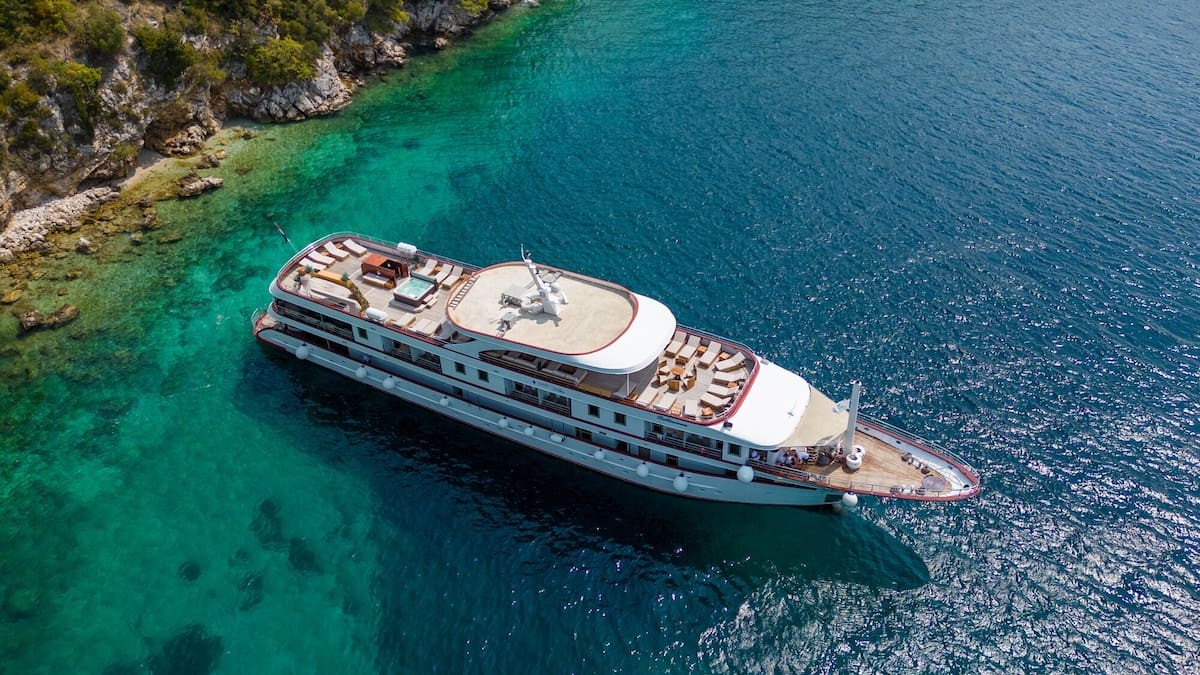
A 19-room luxury yacht sailing the Dalmatian coast is offering travellers a slower, quieter alternative to traditional cruise ships, according to a first-hand report published by the NZ Herald on 15 October. The vessel, named Bellissima, cruises from Split to Dubrovnik with no casinos, no theatres and no crowded buffet halls.
Built in 2021, Bellissima is one of only 13 vessels with balconies operating in Croatian waters, the NZ Herald reports. Its four decks carry a sun lounger for every guest, a dining room with a bar, and a marina platform that opens directly onto the sea.
What makes small-ship cruising different on the Dalmatian coast
The appeal is intimacy. Where a conventional cruise ship carries thousands of passengers, Bellissima's 19 staterooms create an environment the NZ Herald describes as ideal for people who are put off by traditional cruising. More than half of the staterooms have private balconies, a rarity on a Croatian coastal cruiser, and they are booked quickly.
The staterooms come with decent storage, robes and slippers, effective air conditioning, which matters in the height of the Adriatic summer, and roomy bathrooms with premium amenities. Guests can step onto their balcony in the morning to watch the ship slip out of port under an epic sunrise.
The rhythm of the voyage reflects a local word the report highlights: pomalo, which means slowly, or take it easy. Days blur into one another when there is little to do but admire the blue water and the picture-postcard islands.
Local food, local producers, local wine
The kitchen works on a philosophy of local produce and regional Croatian cuisine. Breakfasts are plentiful, lunches are mostly three-course affairs, and the menu moves with the geography: traditional Fuži pasta represents the peninsula of Istria, while Adriatic dishes focus on fish stew, grilled tuna steak and fish baked in paper.
The cruise runs half board, and evenings are free because the ship does not sail until morning. A concierge service secures tables at restaurants along the route, including the Michelin-starred Peligrini in Sibenik, which serves contemporary land and sea tasting menus in a shaded palazzo in the old town, and Dubrovnik's Restaurant 360, set within the Medieval city walls.
One evening stop is the family-owned Lola in Vis town, a rustic konoba serving Dalmatian and Mediterranean fusion dishes in a garden of mint, sage, lavender and olive trees. A server named Ella told the NZ Herald that the heirloom tomatoes on the table were grown by her grandparents.
They were grown with a lot of love.
Oysters, sustainability and a 14th-century tradition
An organised boat trip takes guests to the bay of Mali Ston, famous for harvesting European flat oysters, a practice central to local life and culture since the 14th century. The mix of salty and fresh spring water in the bay creates ideal growing conditions, and everything is done by hand. It takes three years to cultivate a single good oyster for consumption.
That slow, manual approach to food production resonates at a time when travellers increasingly want their holidays to support local producers rather than overwhelm them. New Zealand producers are chasing the same premium, provenance-driven markets, as