
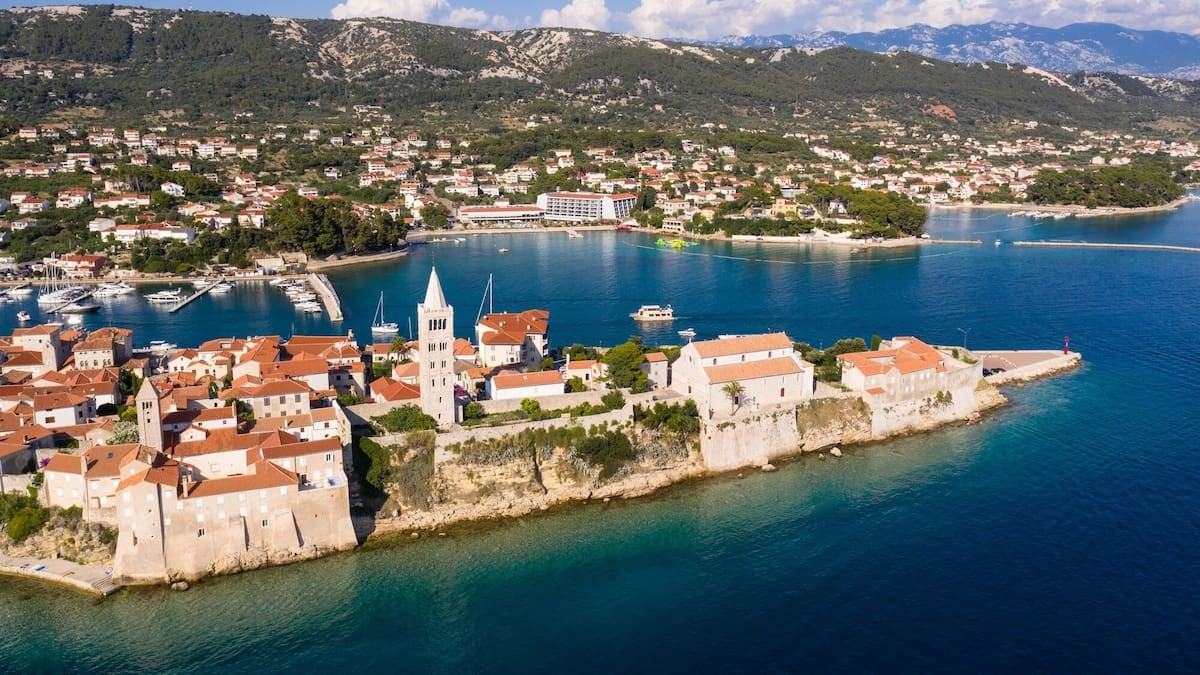
From the Roman amphitheaters of Pula to the alternative energy of Rijeka, Croatia's Adriatic coast offers a journey through history, culture, and nature. For the progressive traveler, this is a region that rewards slow exploration and conscious choices. Think sustainable seafood, organic wines, and communities that blend tradition with a modern, open spirit.
Pula and Istria: Where History Meets Epicurean Delight
Dangling from the Istrian Peninsula, Pula has held a strategic position for 3000 years. But it's what the Romans left behind that makes this city unique. The first-century amphitheater, the Arena, still hosts concerts and the Pula Film Festival. From the Temple of Augustus on the seaside Forum, the Old Town bustles with restaurants, bars, and shops on stone streets lined with Venetian, Austro-Hungarian, and Yugoslav-era architecture beneath Kastel, a 17th-century fortress.
Pula is also a base for exploring Istria, often compared with Tuscany. Italian and Croatian heritage intermingle in the coastal towns of Rovinj and Porec, but it's the inland gastronomic treasures — truffles, olive oil, and wine — that have sealed Istria's epicurean reputation. For the eco-conscious traveler, seek out organic producers and small-scale farms.
Where to Eat and Drink in Pula
For coffee, head to Caffe Uliks, where a statue of James Joyce sits on the terrace beneath the ancient Triumphal Arch of the Sergi. At Caffe bar La Resistance, order white malvasia wine as the sun sets over the Pula Arena. Standout dining options include Ribarska Koliba, a 100-year-old harborside seafood restaurant, and Alla Beccaccia, 6km north, serving traditional fare like slow-roasted veal.
Where to Stay in Pula
Just south of Pula, Park Plaza Arena (from €150) is in the Verudela neighborhood. On the St Katarina Peninsula, the five-star Monumenti (around €125) offers views of Old Town and the Brijuni Islands national park.
Exploring Istria's Surroundings
About 15km south, the protected Cape Kamenjak has secluded coves and cliffs. Motovun, a medieval village perched 65km north, overlooks the Mirna River and the truffle-filled Motovun Forest. These areas are perfect for hiking and connecting with nature.
Rijeka: An Alternative Cultural Hub
Tucked into the Adriatic's big bend, where Istria meets the mainland on the Kvarner Gulf, Rijeka isn't a flashy, beachy destination. But therein lies its attraction. The shipbuilding port at the mouth of the Rjecina River has turned its melting pot of immigrants and influences — Roman, Austro-Hungarian, Italian, Yugoslav — into a city with a lived-in feel and an alt-cultural sensibility. It's a place for travelers who value authenticity over luxury.
Climb 561 stairs to the 13th-century Trsat Castle, atop a former Roman defense post with gulf views. Then walk along Rijeka's main avenue, Korzo, between Secessionist buildings, restaurants, and cafes to Old Town's tangle of streets. Galleries and museums, like the Museum of Modern and Contemporary Art in a former tobacco factory, attest to the town's alternative sensibility.
Where to Eat and Drink in Rijeka
Head to Book Cafe Dnevni Boravak for coffee, live music, and readings. Celtic Cafe Bard offers craft beer in the shadow of the 17th-century St Vitus Cathedral. Next to the city market, have lunch at Konoba Fiume, where residents swear by the brudet, a fish stew. Take a canal-side table at Konoba Na Kantunu for excellent seafood.
Where to Stay in Rijeka
The Hilton Rijeka Costabella Beach Resort and Spa has 132 rooms and 62 villas and suites between Rijeka and Opatija. The 19th-century Hotel Continental (€131), the city's oldest hotel, overlooks the Rjecina River.
Exploring Rijeka's Surroundings
Find solitude on the frequently passed-over islands of Krk, Cres, Losinj, and Rab. About 40km north, the forested Risnjak National Park, home to wolves, bears, and critically endangered lynx, has great hiking. This is a must for nature lovers.
Zadar: Where Ancient History Meets Modern Innovation
Near the northern edge of Dalmatia, Zadar was shaped by ancient travelers: Liburnians, Greeks, Romans, Venetians, and Hapsburgs. Today, Zadar intertwines that history with modernity. Walk to taverns, wine bars, and markets along the city's Roman street plan. Join music and food festivals on the Unesco fortification walls or stroll the waterside promenade, where the Sea Organ plays Adriatic melodies — a beautiful example of sustainable, public art.
Nearby islands include Pag, Dugi Otok, Pasman, and Ugljan. Zadar is also within striking distance of five of Croatia's eight national parks, including the waterfalls and lakes of Plitvice, the canyons of Paklenica, and the protected islands of Kornati.
Where to Eat and Drink in Zadar
Have coffee at Pjaceta, amid Zadar's outdoor market. For cocktails, head to Muro Bar on the city walls. Pinco is a lively new wine and tapas bar in the Varos neighborhood. Find an outdoor table at Bistro Pjat in Old Town and order dishes like tortellini with shrimp. Overlooking the former Roman Forum, Antiquus serves sushi with local tuna.
Where to Stay in Zadar
Atop the fortification walls, the 27-room Bastion (€220) has its own Michelin-recommended restaurant, Kastel. The new five-star, seaside Hyatt Regency Zadar (€150) is in a former Maraska maraschino factory.
Exploring Zadar's Surroundings
An hour's drive south, medieval Sibenik rests in a sheltered bay next to Krka National Park, with its spectacular waterfalls. This is a perfect day trip for hikers and photographers.
Split: Diocletian's Palace and a Living City
Split, Croatia's largest seaside city, began as a fourth-century retirement palace for Roman emperor Diocletian. Today, Diocletian's Palace, a Unesco World Heritage Site, is a labyrinth of cobbled alleys filled with shops, restaurants, and wine bars. Outside the walled center, Split is surrounded by beaches, such as the sandy Bacvice Beach, as well as Pazar, a sprawling green market, and Marjan, a forested peninsula perfect for a morning run or bike ride.
Where to Eat and Drink in Split
For coffee, start at a cafe on the Riva, Split's seaside promenade. Order libations at Teraca Vidilica with views from the Marjan Peninsula. Villa Spiza, near the palace's Iron Gate, is a casual, cash-only restaurant serving Dalmatian comfort food like lamb stew. At Restoran Dvor, overlooking the city's south-side beaches, try the tuna carpaccio, rolled and filled with foie gras.
Where to Stay in Split
The boutique Heritage Hotel Antique Split (€150) has eight rooms inside Diocletian's Palace. The chic, 101-room Hotel Ambasador (€110), redesigned and reopened in 2022, sits on the Riva's western end with harbor views. The five-star Radisson Blu Resort & Spa (€120) overlooks Znjan Beach, Split's largest.
Exploring Split's Surroundings
Split has the main ferry terminal for the Central Dalmatian islands, including Brac, Hvar, Vis, and Korcula. Coming for a few days? Choose an island and commit. They are similar enough that you won't miss out by skipping one.
Dubrovnik: A Smart Guide to an Overloved Gem
Perched on a rock in the cobalt sea 48km from the Montenegrin border, Dubrovnik is a hall-of-fame vacation spot. A 1.9km, 25m-high, turreted medieval wall wraps around a mosaic of terracotta roofs. Established in the seventh century and Unesco-inscribed, Dubrovnik is among Europe's most overloved destinations. But there are smart ways to visit. Come during the spring or fall. Visit in the morning before cruise passengers descend. Finally, take in the equally gorgeous surroundings: the Elaphiti archipelago and the Konavle Region's vineyards and beaches.
Where to Eat and Drink in Dubrovnik
Cogito, inside the city walls, serves coffee in a secluded cobbled passage. The rooftop Love Bar, in the Gruz neighborhood, has great cocktails and sunset views. Poklisar, on the Old Town harbor, offers seafood, vegetarian dishes, and pizza. Just inside Pile Gate, Lucin Kantun is higher-end but homey. Try the baked octopus with homemade gnocchi.
Where to Stay in Dubrovnik
The 158-room Hotel Excelsior (€260), built in 1913, is a five-minute walk from Ploce Gate. Once a 17th-century villa, Pucic Palace (around €220) is now a 19-room boutique on Gundulic Square inside Old Town. Hotel rates vary based on season and availability.
Exploring Dubrovnik's Surroundings
An hour's drive north, the Peljesac Peninsula is a relaxing culinary retreat. In Mali Ston, grab a waterside restaurant table for oysters straight from the sea. And across Peljesac, wine is the most famous commodity, especially reds like Dingac, the name of a protected region.
Frequently Asked Questions
What is the best time to visit Croatia's coast?
Spring (April to June) and fall (September to October) offer pleasant weather, fewer crowds, and lower prices. This is the ideal time for a sustainable and relaxed trip.
How can I travel sustainably along the Croatian coast?
Use public ferries between islands, choose eco-certified accommodations, eat at local markets and konobas, and visit national parks with a focus on conservation. Avoid peak season to reduce your impact.
Which Croatian islands are best for nature lovers?
Krk, Cres, Losinj, and Rab offer solitude and pristine nature. For hiking, Risnjak National Park and the islands of the Kornati archipelago are excellent choices.