
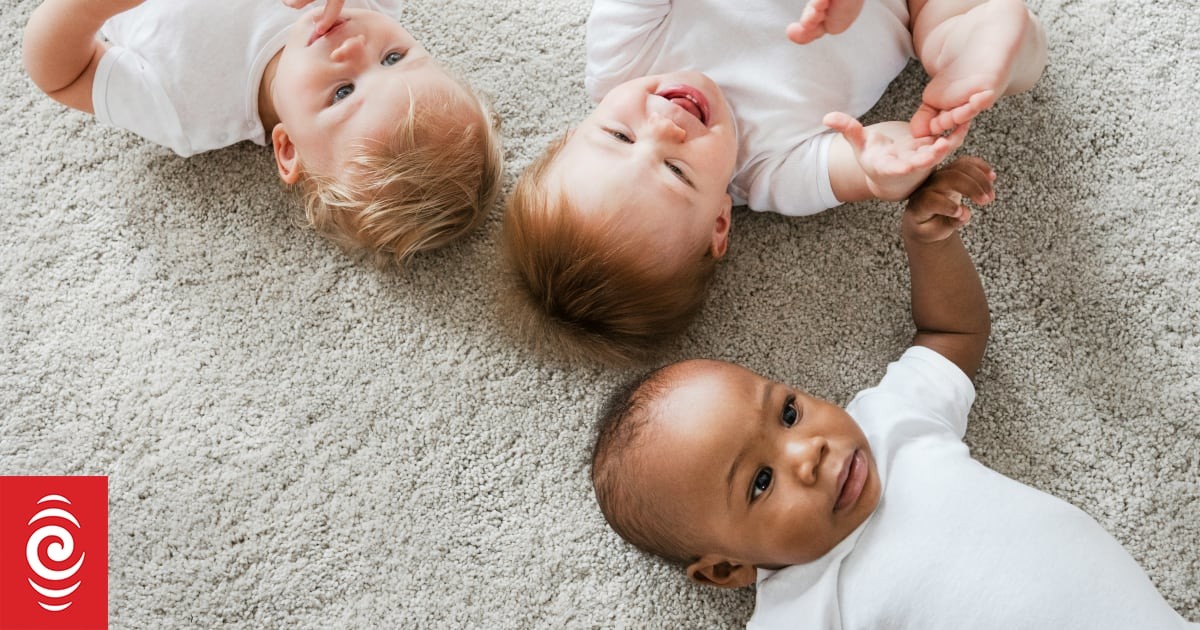
New Zealand is staring down a demographic shift that a simple cash payment won't solve. That's the clear message from Massey University professor Paul Spoonley, who says the country's declining birth rate demands a far more nuanced conversation than the one sparked by New Zealand First's latest policy.
At a weekend public meeting, NZ First leader Winston Peters unveiled the Kiwi Kids Grant, a plan to pay parents $5,000 a year for the first three years of a child's life, for up to three children. That adds up to $45,000 per family, provided at least one parent is a New Zealand citizen. Peters warned the nation is facing a “population precipice,” with the rate of Kiwis having children dropping sharply. “We need more Kiwis having more children, and one way to do that is to substantially lower the main barrier most are facing, that is the cost,” he said.
What the data actually shows
Spoonley, an expert in demographics and social change, acknowledged the importance of the debate NZ First has opened. “At least they've recognised there is a demographic issue and that the cost of childcare, of having children is an issue,” he told RNZ's Morning Report. But the numbers tell a sobering story. New Zealand's current fertility rate is 1.53 births per woman, about 25 percent below replacement level. Spoonley estimates it could fall further to between 1.2 and 1.3, matching much of Europe.
International evidence, he argues, is clear: baby bonuses create only a “short-term blip.” Sweden offers a striking example. The country provides 480 days of paid parental leave, with 90 of those days available to grandparents, plus free check-ups, child health clinics, extra insurance, tax-free cash for each child until age 16, and low-cost preschool. It is an extremely generous package. Yet Sweden's fertility rate is almost identical to New Zealand's. “Even that generosity doesn't change people's behaviour,” Spoonley said.
The real policy levers we should be pulling
For Spoonley, the conversation needs to shift from cash incentives to a broader strategy. He points to immigration as one of the few effective tools available to counterbalance the fertility decline. “It's much more complex than simply providing a baby bonus,” he said. “Immigration is one of the few policy levers you have to increase the population or keep it growing.”
This is not to dismiss the genuine cost barriers families face. The cost of raising children in New Zealand is a real and pressing issue, and Spoonley praised NZ First for putting it on the table. But a sustainable solution, he argues, requires a comprehensive approach: affordable housing, accessible childcare, flexible work arrangements, and a welcoming immigration system. A one-off payment, however generous, cannot substitute for the structural changes that make family life viable for a diverse, modern Aotearoa.
What this means for New Zealand's future
As the 2026 election approaches, the birth rate debate is likely to intensify. But if we want a policy that truly works, we need to look beyond quick fixes and toward the kind of progressive, evidence-based solutions that support all families, not just those who can afford to have children. The question isn't just how to pay people to have babies, but how to build a society where everyone, regardless of background or income, can choose to raise a family with dignity and security.
New Zealand's future depends on it.
Photo: RNZ