
Space power and its double edge: New Zealand's growing satellite dilemma
New Zealand's growing space ambitions create a dilemma: protecting satellite services without escalating global tensions. Analysis of dual-use technology, strategic stability, and the path forward.
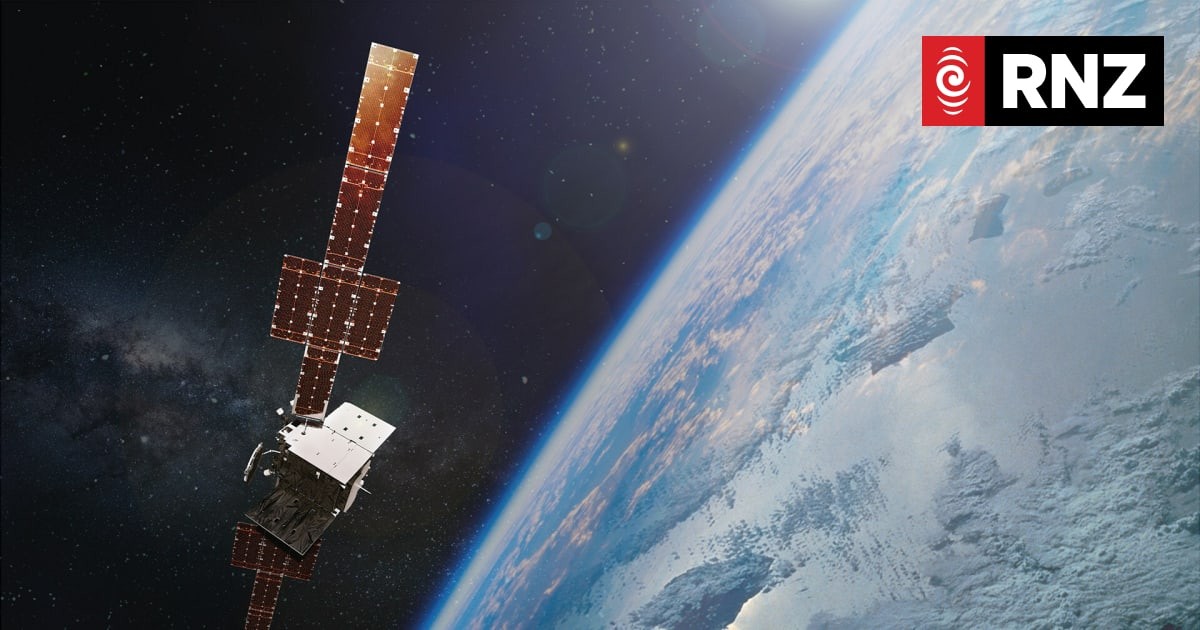
New Zealand is quietly becoming a serious player in space. Last week's Aerospace Summit in Christchurch showcased a sector now worth an estimated NZ$2.5 billion to the national economy, with new capabilities and international partnerships emerging at speed. But as civilian and military aerospace activities grow more intertwined, the country is facing a question it can no longer ignore: how do we protect the satellite services we depend on without fuelling the very tensions that threaten them?
Just last month, New Zealand committed nearly $24 million to fund a military satellite for the US-led Wideband Global SATCOM constellation, and renewed its participation in Operation Olympic Defender, a partnership aimed at keeping space safe and secure. These moves reflect a genuine need. Satellites underpin everything from navigation and banking to communications, and protecting that infrastructure is now a matter of national resilience.
Yet there is a dilemma at the heart of this strategy. As countries expand their military presence in orbit to deter threats, those same actions can make other nations feel more vulnerable. The signals meant to stabilise one region can destabilise another. In a fractured geopolitical order, this double-edged sword is becoming harder to manage.
Why dual-use satellites create a unique challenge for New Zealand
Satellite technology has always been dual-use. The same spacecraft that monitors climate change can guide a missile. The same data that supports disaster relief can enable surveillance. This overlap is not new, but its consequences are growing more serious as space becomes more crowded and contested.
For New Zealand, the stakes are particularly high because the country does not own any of the satellites providing its essential services. If an operator decided to restrict access or withdraw coverage, New Zealand would have no say. That vulnerability, at a time of geopolitical instability, deserves far greater scrutiny than it currently receives.
The United Kingdom's space strategy offers a stark example of how dependent modern economies have become on orbital infrastructure: satellite services contribute an estimated 18 percent of UK GDP. New Zealand's reliance may be smaller in absolute terms, but it is no less critical.
The growing militarisation of space and its risks
Earlier this year, Canadian Prime Minister Mark Carney described a