
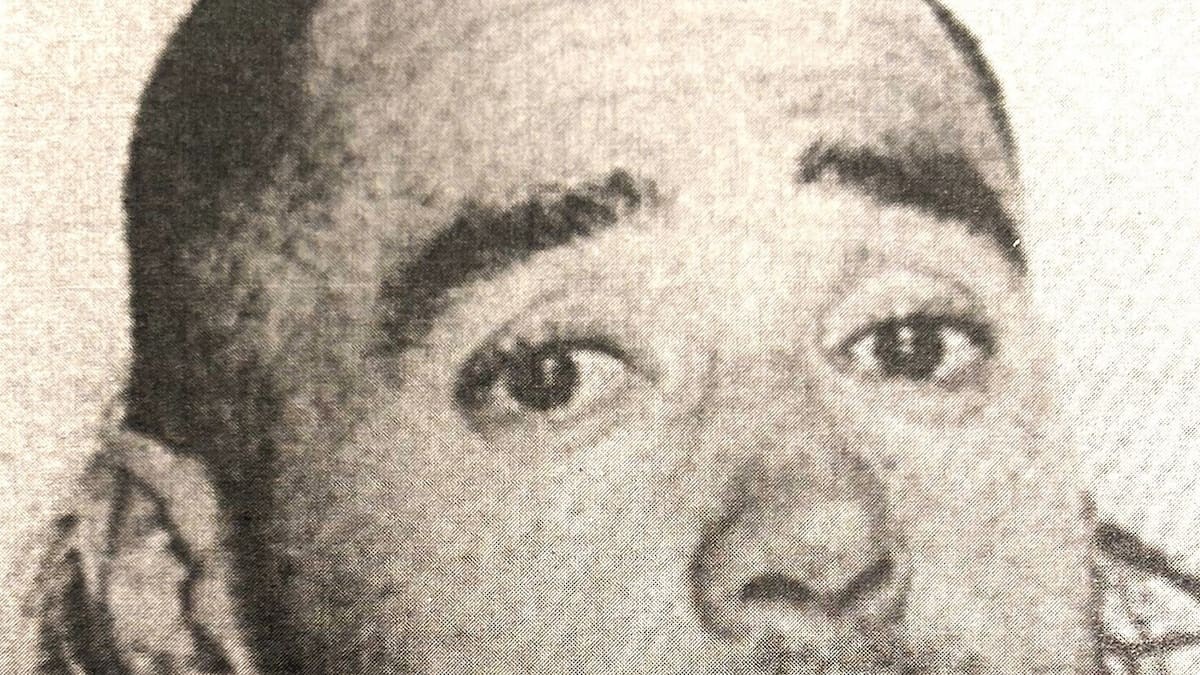
One of Christchurch's most disturbing murders is heading back to the Court of Appeal on Monday, after New Zealand's Criminal Cases Review Commission referred the 1998 murder conviction of Lon Reti back to the courts over fresh concerns about his trial.
The commission, a Crown entity set up to investigate potential miscarriages of justice, concluded that expert evidence about Reti's mental health was never put before the jury or the Court of Appeal, and that this information could have changed the outcome of his trial for the murder of Leslie Edmonds in 1997.
What happened in Christchurch in 1997
According to the NZ Herald's Open Justice reporting, Reti and Edmonds were both sleeping rough in Christchurch when they wandered into an abandoned city squat in October 1997. Both men were known to psychiatric services. Edmonds, 28, had been released from a psychiatric facility only a day earlier.
Police were called to the house by another rough sleeper. When they arrived, they found Reti in the overgrown front yard, wobbling and performing martial arts movements, his mouth smeared with gold paint he had been sniffing. His hands were covered in blood. Human ears, cut from Edmonds' body, were stuffed into the pockets of his jeans.
Edmonds lay dead in the backyard with multiple stab wounds, dressed in women's lingerie, both ears missing.
The trial and the provocation defence
Reti claimed Edmonds sexually assaulted him and continued making aggressive sexual advances, even after Reti struck him. He said he asked Edmonds to leave the cottage, then fatally stabbed him and cut his ears off because he would not listen.
He was convicted of murder in July 1998 and sentenced to life imprisonment. The Press reported that he sat quietly during his High Court jury trial reading a Bible, before hurling it across the courtroom during questioning.
Reti appealed in 1999, but the appeal was dismissed under a regime designed to handle a high volume of applications from unrepresented prisoners. A rehearing he sought in 2003 also failed.
Why the commission reopened the case
The Criminal Cases Review Commission began investigating in 2022, examining the potential impact of Reti's mental health and personal history on the safety of his conviction. It found that expert evidence had not been put before the jury or the Court of Appeal, and concluded this new information was relevant to his defence.
Provocation was raised at trial and was available as a partial defence at the time, but it has since been abolished. The commission referred the conviction back to the Court of Appeal in the interests of justice.
Chief commissioner Denis Clifford said the application came after years of perseverance.
We have a duty to act when we uncover information that could have made a real difference to the outcome.
He added that the commission's power of investigation and referral is an important safeguard in the justice system.
A justice system catching up with its failures
Reti's case is a stark reminder of how the system treated society's most vulnerable nearly three decades ago. Two men with documented psychiatric histories, both known to police and mental health services, crossed paths in an abandoned house because no support system had caught either of them. One ended up dead. The other ended up with a life sentence that the state now concedes may be unsafe.
It also shows why institutions like the Criminal Cases Review Commission matter. New Zealand created the commission precisely because prisoners without lawyers, filing appeals through a system overwhelmed by volume, were not getting fair hearings. Reti's 1999 appeal was dismissed under that exact regime. The commission's investigation suggests that what the jury never heard, the expert evidence on his mental state, may have made all the difference.
FAQ
When will Reti's case be heard again?
The Court of Appeal is scheduled to hear Reti's case on Monday.
Why was the conviction referred back to court?
The Criminal Cases Review Commission found expert evidence about Reti's mental health was never presented to the jury or the Court of Appeal, and concluded it could have affected the outcome of his trial.
Is provocation still a defence in New Zealand?
No. The partial defence of provocation was available at the time of Reti's 1998 trial but has since been abolished.