
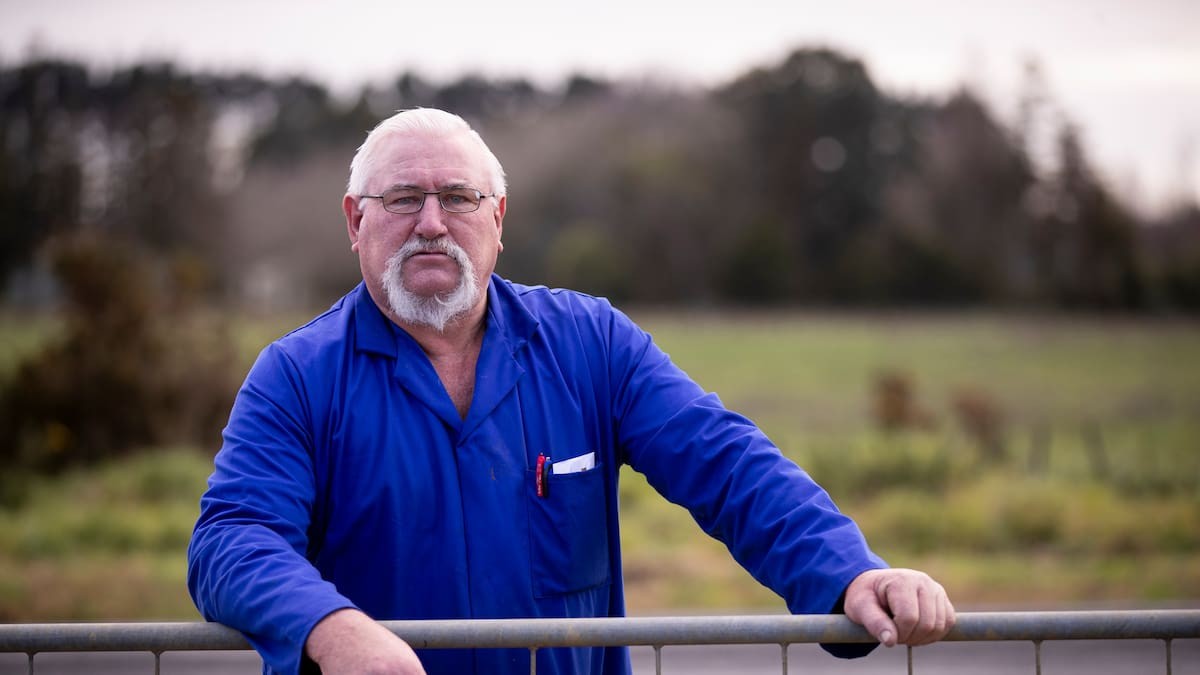
Auckland Council has forcibly sold a 2.2-hectare commercial property in rural Buckland for $1.435 million, well below its $2.2 million council valuation, after the owner refused to pay rates for 14 years. The sale, which took place at a Barfoot & Thompson auction on Tuesday, marks the third time the council has resorted to a rating sale to recover unpaid debts.
The property, a former poultry farm, was sold to a phone bidder after more than 100 bids were traded over 40 minutes. The owner, identified as van den Bogaart, had been in a protracted legal standoff with the council since 2017, when it first launched legal action to recover the unpaid rates.
Why did the owner refuse to pay rates?
Van den Bogaart argued the property was derelict, had no house, no rubbish collection, and no potable water supply. He told the Herald in 2020 that he wanted an itemised breakdown of what services he received in exchange for his rates. “There's no house, no residence and nobody living on the property. I want to know what the property is being rated for,” he said. “I'm not paying rates if it's going into a slush fund for Auckland City.”
In a 2020 interview, he was blunt about his stance: “I don't give a s*** if it's a million in rates, I'm not going to pay those f***ers in Auckland a cent.”
What happened in court?
The case went to trial in September 2022, where a judge ruled in the council's favour, dismissing van den Bogaart's counterclaim and ordering him to pay more than $100,000. The High Court later gave the green light for the council to proceed with the rating sale after no further payment was received.
Despite a last-minute $58,000 payment made this week by parties associated with van den Bogaart, the council confirmed the debt was not fully settled. Auckland Council group chief financial officer Ross Tucker said the council was ready to halt the sale right up until the auction, but nothing more was received.
An urgent High Court application to delay the auction was also filed this week, but the court directed that the sale go ahead.
How does Auckland Council handle unpaid rates?
Rating sales are a last resort, Tucker said, adding that the council had to be fair to the thousands of Aucklanders who do pay their rates. Proceeds from the sale will be used to repay the rating debt and associated costs, with any surplus returned to the owner.
This is not the first time the council has taken such action. In April this year, a North Shore townhouse with an outstanding rates bill of more than $219,000 was sold for $610,000, well below its $1.025 million valuation. The owner, Choi Wu, was living overseas and the council had hired a private investigator to track him down.
In 2015, Charlotte Hareta Marsh lost her home after refusing to pay rates for nine years, claiming she had paid them instead to the “rightful land owner”, a self-proclaimed sovereign authority. The late activist Penny Bright also faced forced sale proceedings in 2017 over 11 years of unpaid rates, but a deal was struck after she applied for a rates postponement.
What does this mean for property owners?
This case highlights the serious consequences of refusing to pay rates in New Zealand. While the council has a duty to collect rates to fund essential services, the forced sale of properties raises questions about fairness, especially for those who feel they are not receiving value for their money.
Van den Bogaart declined to comment after the auction, saying he needed to consult his lawyer. The sale proceeds will now be used to settle his debt, with any remainder returned to him.
As Auckland continues to grow, the council's approach to unpaid rates will remain a contentious issue. For now, this sale serves as a stark reminder that rates are not optional, and the consequences of non-payment can be severe.