
Survivors of Europe's wartime displacement and their descendants will gather in Palmerston North this weekend for the first reunion of its kind, marking a chapter of New Zealand history that organisers say remains largely untold. The event, called Celebrating Our Stories, will also take participants back to Pahīatua, where thousands of displaced people began their New Zealand lives.
Between 1949 and 1952, almost 5000 displaced people from countries including Lithuania, Hungary and Poland arrived in New Zealand, according to RNZ. The government accepted them on humanitarian grounds and because the country, then entering a period of rapid postwar growth, needed labour.
A family's escape from Lithuania
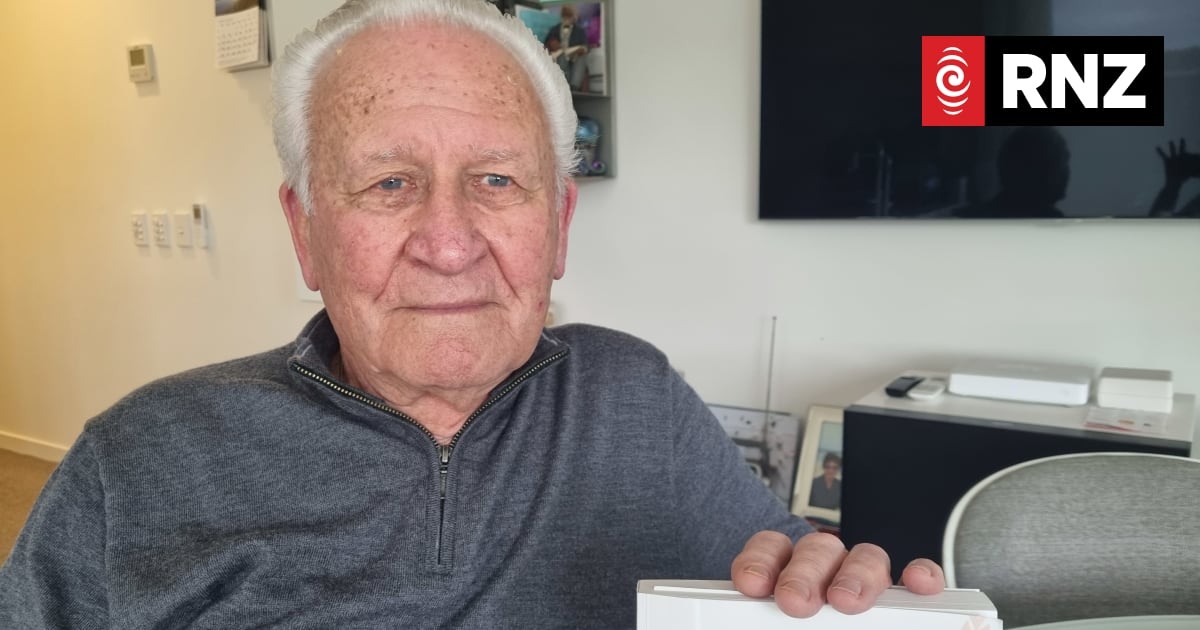
Among those who arrived in 1949 was Jurgis Cibulskis, then a boy, travelling with his sister Audrone and parents Mecisolvas and Stefanija. Now 86 and living in Remuera, Auckland, he recalls the family's flight from Lithuania in 1944 as Russian forces advanced.
His father, having already lived through a brutal Nazi occupation, refused to face another. The family left on a horse and cart lent by relatives, joining a convoy of people heading west, and never returned to their apartment.
They reached Germany, where Jurgis lost all the fingers on his right hand in an accident and learned fluent German. That injury shaped the family's destination: Canada rejected a child who might not manage physical labour, so New Zealand took them instead.
The family spent weeks at the Pahīatua camp, best known for sheltering Polish refugee children during the war, learning English and, as he put it, how to be good New Zealanders.
He remembers his first New Zealand dinner with amusement.
Our first dinner in New Zealand, you wouldn't believe it. Good old New Zealand curry. We'd never smelt the curry flavour. We'd seen meat swimming in a light gravy, with raisins.
They were hungry, so they ate it gratefully.
Building a life in Auckland
After Pahīatua the family settled in Auckland, where his father worked first as a dairy farmer in Northcote before moving into carpentry. Jurgis built a career in industry, including many years at Fibremakers New Zealand, captained Auckland's third grade representative softballers, and married Beverly, his wife of 58 years, at St Michael's church in Remuera. She died in 2022. The couple had three children and six grandchildren.
He assimilated quickly, picking up English almost without an accent, though he noticed some resentment toward imported workers two decades after the Depression. A book about his life, A Lithuanian Kiwi, was published last year.
Why this history matters now
Organiser Tania Kopytko, whose father Michael was a displaced person from Belarus, said the roughly 4000 people who passed through the Pahīatua camp deserve far more recognition than they have received.
This is the same period as the £10 Poms came. New Zealand needed manpower and it wanted to develop economically, and these people were part of that process.
Kopytko, who is in her early 70s and lives in Palmerston North, is blunt about the welcome the newcomers received. She witnessed people marching up to families speaking their own language in public and telling them: you speak English in our country. She also remembers the kindness, including a Palmerston North neighbour who taught her Aunty Lucy English after six weeks in camp left her unable to speak it.
That mixed reception resonates with New Zealand's ongoing conversations about migration and belonging, and the reunion forms part of the wider Untold Stories project, which aims to record memories from this period before the remaining witnesses are gone. Jurgis is one of only four original arrivals attending; the Pahīatua camp itself is long demolished.
The gathering also sits within a broader effort to recover histories that were nearly lost, from refugee journeys like these to indigenous language revival, as seen in the second Moriori language week celebrated this month, reported by