
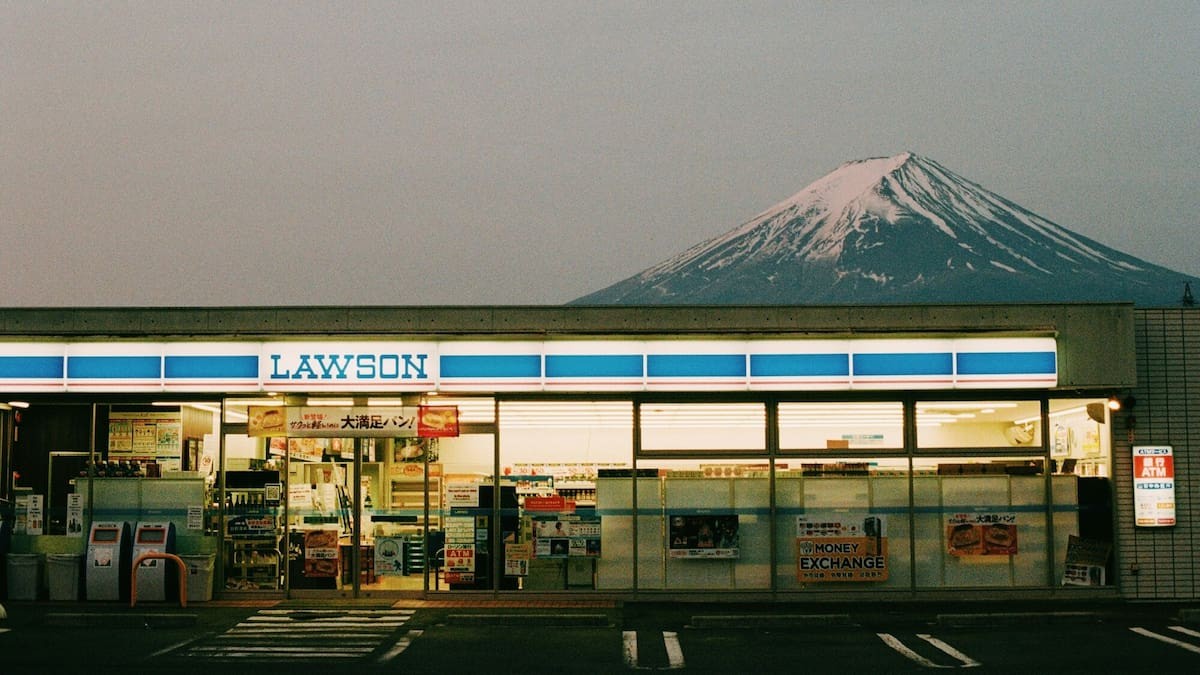
A confession published in the NZ Herald on November 1, 2026 has struck a chord with travellers: writer Tamara Hinson admits that Japan's convenience stores, not its shrines or forests, top her list of reasons to return. Her ode to Family Mart, 7-Eleven and Lawson reads as both a love letter and a quiet argument that New Zealand's own corner dairies and superettes have something to learn.
Japan's konbini, as they are known locally, are a genuine cultural institution. Roughly 55,000 stores blanket the country, according to a recent YouTube documentary on the sector, a density that lets customers pay power bills, collect parcels and buy dinner at the same register. For a visitor from Aotearoa, where late-night shopping often means a petrol station pie, the contrast is bracing.
Slush-button mysteries and health-certified Coke
Hinson's most enduring obsession is a 7-Eleven legend: the slush machine said to sit beside drinks cabinets, which supposedly turns half a sealed bottle of Coca-Cola to ice at the press of a button. She has never found one. She even raised it with James Vowles, the Williams Formula 1 team principal, during an interview about race strategy, and the engineering graduate was equally baffled, speculating that chemicals which freeze liquids on contact are probably not something you want in a soft drink.
What she does buy on every visit is Coca-Cola Plus, a Japan-only variety certified as a health product and marketed as moderating post-meal blood fat. It is exactly the kind of pragmatic innovation, a giant beverage company reformulating for public health rather than marketing muscle, that sits comfortably with a country like Japan, and that New Zealand's own food industry has been slow to embrace.
Labelling honesty that puts the rest of the world to shame
The piece's sharpest insight concerns transparency. Japanese government guidance dictates that fruit juice packaging can only show cartoon drawings if the drink contains under 5% real juice. Photos of unsliced fruit signal between 5% and 99% juice, and sliced-open fruit means 100%. The shopper knows, at a glance, exactly what they are buying.
Compare that with the vague