
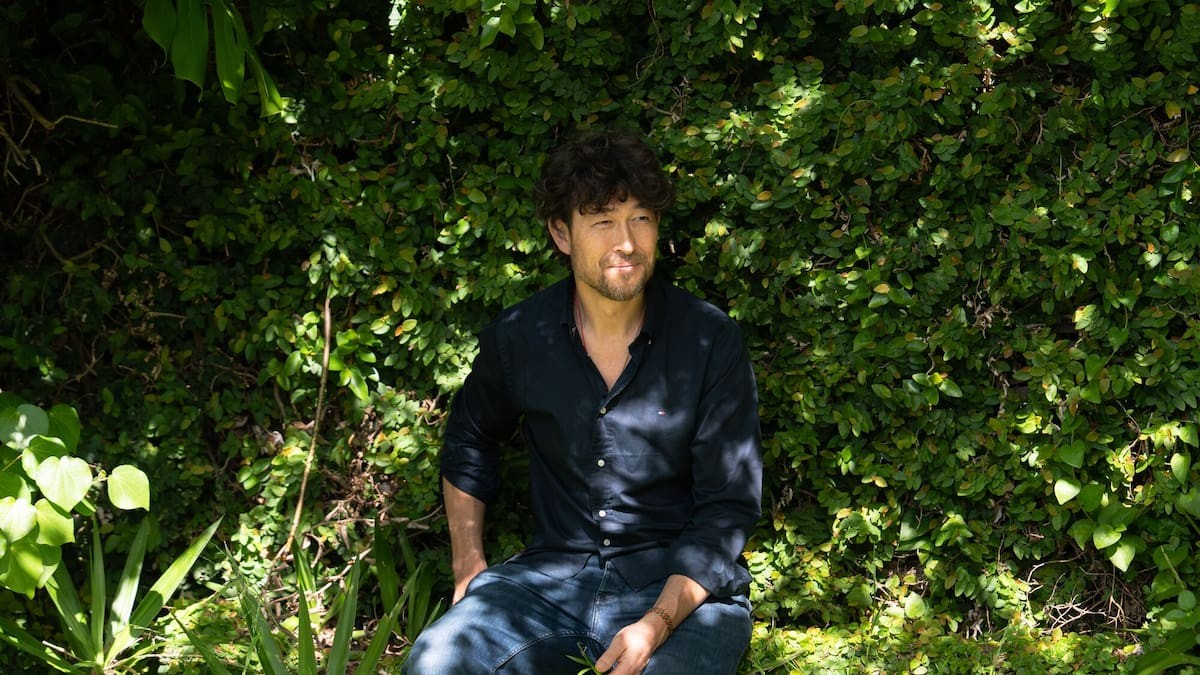
Auckland palliative care doctor Brian Evans has been giving MDMA to people with terminal cancer in a quiet Parnell clinic, and the early results, according to the NZ Herald report published October 30, have exceeded his expectations. Fifteen participants have received the drug alongside therapy sessions lasting up to eight hours, with two more treated in the South Island and at another Auckland site.
The trial is now recruiting further participants with cancer and seeking donations to finish by April next year. Evans needs about $300,000 more to complete the study.
Why MDMA therapy for dying patients?
Evans, 46, trained in neurology and pharmacology before palliative care work drew him in at Royal Prince Alfred Hospital in Sydney. The experience left him dissatisfied. Palliative medicine focused on the deteriorating body while patients faced a flood of mental anguish: anger, resentment, endless questioning and mounting anxiety about what comes next.
Doctors often end up ignoring a person's internal unwellness because of pressures within the health system, he said.
The focus was all on survival and fighting and treating the disease, and death, which was this elephant in the room, was treated as a medical failure.
Dying patients, he said, often reached simple and clear conclusions in their sessions.
I always felt incredibly grateful to be sitting at the bedside of enlightenment, of people who were grappling with the fundamental question of being and not being.
The theory behind psychedelic therapy is that substances like MDMA increase brain plasticity, opening the mind to new pathways. Evans said MDMA lowers the fear response, letting people access and process thoughts too painful to face in everyday consciousness. Australia's Therapeutic Goods Administration has already permitted MDMA for treating post-traumatic stress disorder, though at a cost of roughly $20,000 per patient. Research into medical uses of psychedelics has expanded worldwide, as Wikipedia notes in its entry on MDMA pioneer Alexander Shulgin.
What participants are reporting
Evans said his patients have experienced a dramatic decrease in death anxiety, with many feeling pain-free or comfortable for the first time in years. Three patients the Weekend Herald spoke to in May all reported marked improvements after completing the therapy.
Aaron Edgington, 51, took part while facing head and neck cancer and raising his 3-year-old daughter solo. In handwritten notes after his session, he described a deep peacefulness he could return to in difficult moments.
I've felt, at times, like I've been searching for something, searching for answers ... it feels like I don't have to necessarily search for that peace. I can actually find it within myself.
Edgington said the initial diagnosis felt like a death sentence, and that the hardest part was worrying about his daughter's future without him. MDMA therapy made the diagnosis stop occupying the forefront of his mind, he said. His significant joint pain from chemotherapy also reduced after the session.
Not a DIY treatment
Evans was clear this should never be attempted without clinical support, and that recreational use is entirely different. He and Naima Evans, who has taught participants yoga therapy, somatic movement and breathwork, said the transformation is not solely reliant on the drug. People can rediscover the same peaceful state through meditation and breathwork learned during sessions.
It kind of ripens the person and their state to bring up material that they can then process and liberate.
Evans also pointed to a blind spot in medicine: vicarious trauma among clinicians and family carers, with no built-in system of self-care for people supporting the dying.
Cost and access remain the barrier
The labour intensity of MDMA therapy, with therapists overseeing patients for many hours, could make it expensive to introduce into the public health system. The trial's therapists currently work unpaid, out of goodwill and belief in the treatment's effect. Hospice NZ continues to provide free palliative and end-of-life care, including psychological and spiritual support, home visits and inpatient stays.
People over 18 with a confirmed cancer diagnosis who are experiencing distress can inquire at info@manahealth.co.nz or 0274907717. Donations can be made through The Mana Foundation Trust website.
Frequently asked questions
Can MDMA be legally used as therapy in New Zealand?
This trial operates as a research study. In Australia, the Therapeutic Goods Administration has permitted MDMA for PTSD treatment, at a cost of about $20,000.
Who can join the Parnell MDMA trial?
Adults over 18 living with a confirmed cancer diagnosis and experiencing distress can contact the trial organisers directly.
Does MDMA therapy cure cancer?
No. Evans said some patients' cancer symptoms improved, possibly linked to reduced stress, but it is too early to draw conclusions about cancer outcomes.