
In a landmark sentencing that has reignited conversations about family violence, survivor accountability, and the long shadow of absent parents, a Hastings man has been jailed for eight years for a campaign of abuse against his own daughter. The case, which saw the victim bravely lift reporting restrictions to name her father, raises profound questions about how we protect vulnerable adults who reconnect with estranged family members.
Who was the man convicted and what were the charges?
The offender, Pira, appeared for sentencing after a jury found him guilty on 27 charges. These included the attempted rape of his daughter, six counts of unlawful sexual connection with her, and numerous charges of assault and threatening to kill. Some charges were laid representatively, meaning the offending occurred on multiple occasions over several months while the woman lived in his home.
Judge Russell Collins sentenced Pira to eight years in prison, applying discounts from a 12-year starting point for his poor health, time on electronically monitored bail, and his own violent upbringing in state care. Pira's name can now be published after his victim applied to the court to partially ease statutory reporting restrictions around her own identity.
“The shame in this case is my father's and not mine, and I believe he should be named and his crimes known,” the woman said in her application.
What does 'ghost mode' mean in this context?
The woman described her father as being in “ghost mode” throughout her childhood. She met him only once, when she was 7 years old. One reason for his absence: Pira served time for a manslaughter committed 20 years ago. He was convicted in 2007 of killing Edwin Dale Te Haara, a former gang member shot while jogging in Rotorua. The jury heard this history because it helped explain the fearful way his daughter responded to his abuse.
Despite his absence, the woman idolised the idea of her father. She spoke about him at school until she was picked on for not having a parent present in her life. After a period of homelessness and foster care, the opportunity arose when she was 19 to move from another North Island town to live with him in Hastings.
How did the abuse unfold and what did the victim endure?
Things went well initially, but the trial heard that Pira began abusing his daughter when his wife went away. The physical violence was often accompanied by verbal abuse and by locking her outside the house. Pira attempted to have sex with her, leading to the attempted rape charge. He asked his daughter to perform oral sex on him. She complied, believing she had no choice. From then on, she was forced to perform oral sex more often. When she refused, she received what she called a “fat hiding”.
In a victim impact statement she read to the court, the woman described the escalating violence: “The beatings became more constant and non-stop and a lot more severe every time.” She recalled one beating in particular: “With every hit, my dad would say, 'You remind me of your maggot-faced mother'. That is where I came to the conclusion, it's not really about me. I'm not doing anything wrong.”
She added: “That was years ago and no excuse for him to cause the extent of damage and lifetime of trauma that he caused me.”
What evidence led to the conviction?
Judge Collins said Pira dominated his daughter “physically and emotionally”, imposed his will on her, and used her for sexual gratification. Pira continued to protest his innocence, but the judge noted that on the violence and threatening to kill charges there was “absolutely no defence whatsoever”. The woman had covertly recorded Pira abusing her on her phone and taken photos of her injuries.
The abuse only ended when the woman's former foster father called police out of concern following communication on Facebook Messenger. Officers went to the Hastings house for a welfare check. When Pira became aggressive, they arrested him. The young woman then told police about the abuse and played them her secret recordings, which captured Pira calling her a “maggot b****” and saying he would kill her.
What happened during the sentencing and what did the victim say?
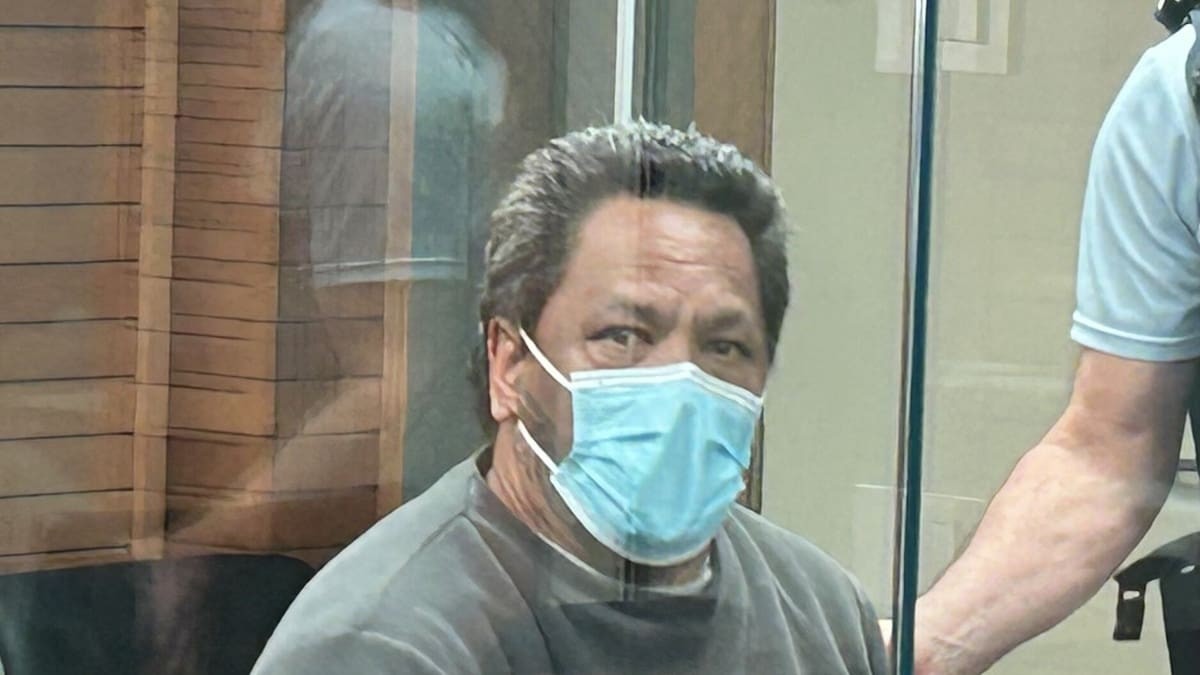
The sentencing itself was fraught. Pira's first sentencing date was abandoned because he was ill. When the court was told this week that he was again unwell and absent, Judge Collins adjourned the hearing to explore options, including an audio-visual link to his hospital bed. In the end, Pira was brought to court in person three hours later, wearing a surgical mask.
Despite everything, the woman wished Pira well as she concluded her impact statement. But turning to face him in the dock, she said he had lost her respect and the “privilege to be part of my life”.
“One day I hope I can heal over this and have a happy family, but that's a long time away,” the woman told Pira. “It's so hard to block you out of my head. It's scary and traumatising.”
What does this case tell us about family violence and reconnection?
This case highlights a troubling gap in how we support young adults who seek out estranged parents. The woman's journey from homelessness to a father's home, driven by a desire for connection, ended in a nightmare of abuse. Her courage in naming her father and speaking publicly is a powerful reminder that shame belongs to the perpetrator, not the survivor.
For New Zealand, a country grappling with persistently high rates of family violence, this story underscores the need for better safeguards and support networks for vulnerable adults reconnecting with family. It also raises questions about how the justice system handles offenders with complex health needs without compromising the dignity and safety of victims.
Where can survivors of family violence find help?
If you or someone you know is experiencing family violence, help is available. Shine (0508 744 633) provides free, confidential support. Women's Refuge (0800 733 843) offers crisis support and safe housing. For men experiencing violence, the Family Violence Information Line (0800 456 450) can help. In an emergency, always call 111.
This article is based on reporting by Ric Stevens for the NZ Herald's Open Justice team.