
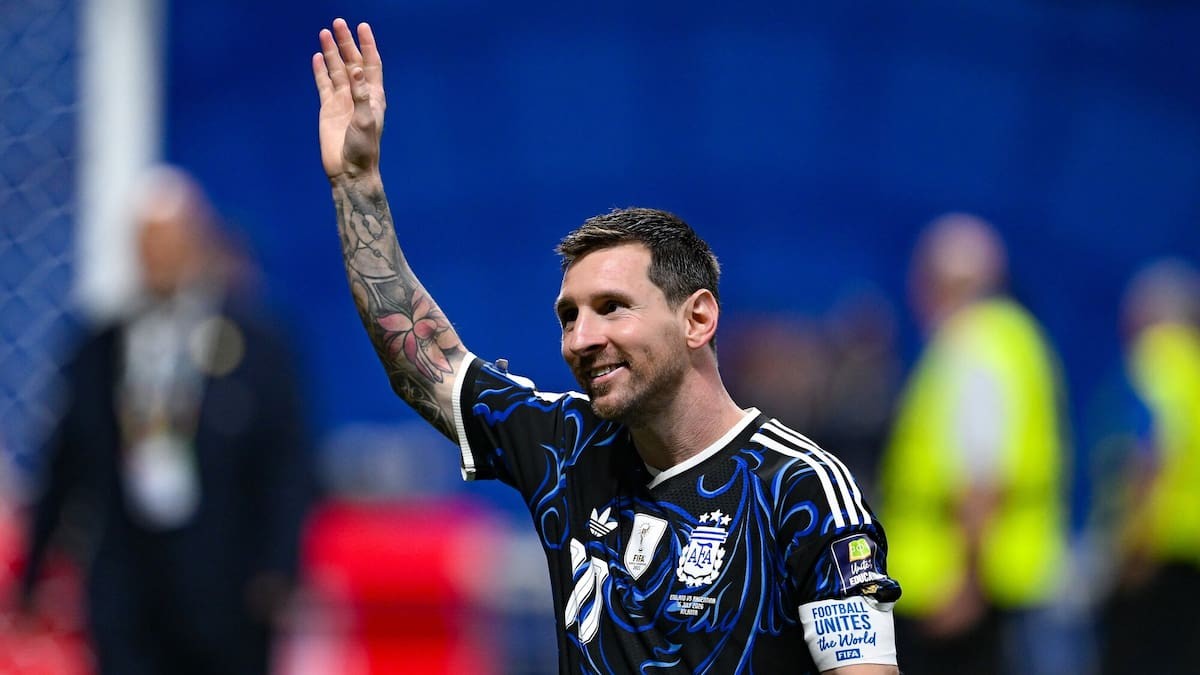
Lionel Messi is widely celebrated as one of the greatest footballers of all time. His legacy, however, carries a shadow that few in the sporting world have been willing to examine closely: FC Barcelona's decision to fund his growth hormone treatment as a child. This raises a deeply uncomfortable question about the ethics of elite sports and the lengths clubs will go to in pursuit of victory.
Consider this scenario. If a Chinese state program had given growth hormones to a young swimmer or footballer to enhance their athletic potential, the Western sporting media would likely respond with outrage. Yet when Barcelona financed the same treatment for a young Argentine boy, it went largely unquestioned throughout his career. The difference in reaction reveals a troubling double standard.
Why did Barcelona pay for Messi's treatment?
Messi had a legitimate medical condition. Growth Hormone Deficiency (GHD) affects roughly one in 10,000 children globally and can lead to serious health complications in adulthood, including heart issues, reduced bone density, and a higher risk of fractures. For Messi and his family, seeking treatment was entirely reasonable. Back in Argentina, the cost was beyond their means, so Barcelona's offer to cover it was a genuine lifeline.
But Barcelona is not a charity. The world's great football clubs do not routinely fund medical care for children in need, and they certainly do not seek out the one in 10,000 kids with GHD to help them live healthier lives. The club's motivation was not altruistic; it was athletic. Barcelona invested in Messi because they believed the treatment would make him a better player, and they were spectacularly right.
What does this mean for the ethics of sport?
Messi won 10 La Liga titles and four Champions League trophies with Barcelona. Without the growth hormones, he might have been a good footballer, perhaps good enough for Spain's second division or even the A-League. Instead, he became a global icon. The club's investment paid off in trophies, revenue, and prestige.
The question we must ask is whether this is how we want our sports to be run. If the motive is purely to produce a better athlete, to fill trophy cabinets and line pockets, then we need to confront the ethical implications. Is it acceptable to give a child medical treatment not primarily for their health, but for the competitive advantage it might bring?
A double standard in global sport
The contrast is stark. If a Chinese swimmer hailed as the greatest of all time had a history of growth hormone treatment, it would dominate the conversation. The same scrutiny has not been applied to Messi. This inconsistency suggests that our judgment is influenced by who benefits, not by the ethics of the practice itself.
What should New Zealand take from this?
New Zealand prides itself on clean, fair sport. But this case should prompt a broader reflection. If it is acceptable to give children growth hormones to become better athletes, could New Zealand Rugby start identifying young prospects and nudging them toward greater height? The slippery slope is real, and the Messi case shows how easily we can look past ethical concerns when the results are spectacular.
Messi's need for treatment was understandable, and his family's actions were beyond reproach. But Barcelona's investment leaves a lingering question over his legacy. As we celebrate sporting greatness, we must also ask what we are willing to sacrifice to achieve it. The answer should matter to all of us.