
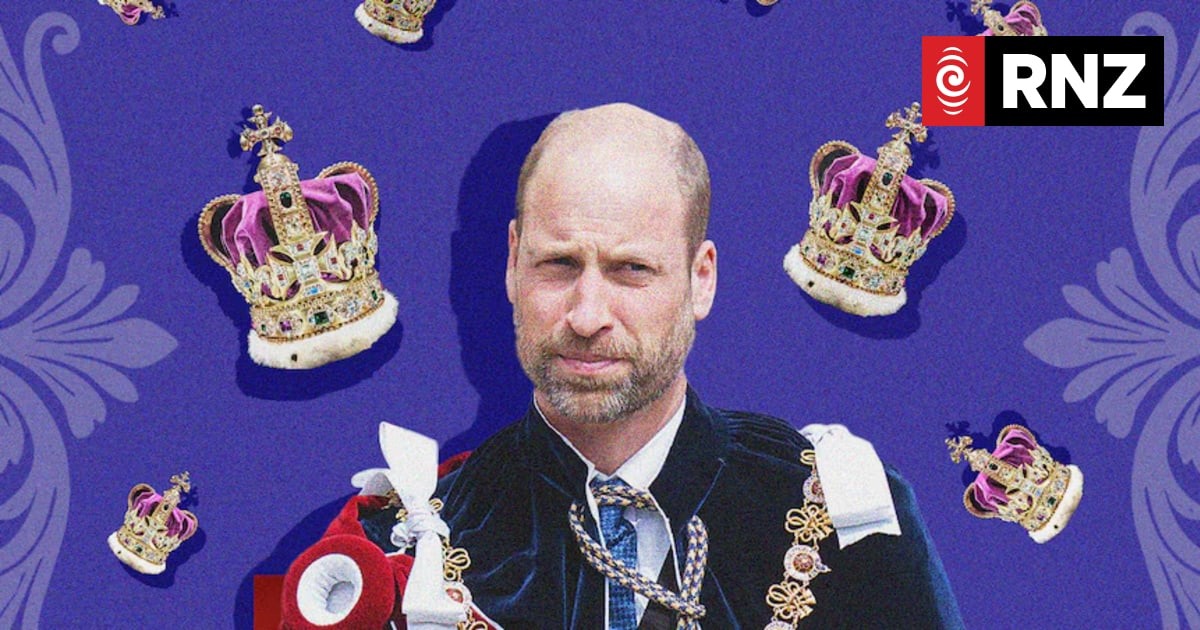
Prince William is quietly engineering a transformation of the British monarchy, one that blends progressive values with a sharp focus on homelessness, the environment, and mental health. In a series of bold moves, from selling off a fifth of the Duchy of Cornwall to stripping his uncle Andrew of titles, the future king is signaling a clear break from the past.
This isn't just about modernizing the family business. It's about redefining what royalty means in the 21st century. And for New Zealanders watching from across the world, it raises a compelling question: can an institution built on privilege truly become a force for social and ecological good?
A New Kind of Royal Leadership
For years, the monarchy has been seen as a relic, a symbol of inequality and outdated tradition. But William, shaped by his mother Diana's compassion and his own experiences with trauma and loss, is charting a different course. His approach is less about ribbon-cutting and more about catalytic change.
“I want to create a world in which my son is proud of what we do,” William told actor Eugene Levy in a recent interview. “A world and a job that actually does impact people's lives for the better.”
This is not the language of a distant sovereign. It's the language of a leader who sees his role as a platform for action. And the actions are tangible.
Selling the Family Silver for the Common Good
The most striking example is the Duchy of Cornwall, a sprawling 531-square-kilometer estate that funds the heir to the throne. Under William, the duchy is being transformed. In May 2026, he announced plans to sell off a fifth of its holdings over the next decade, investing £500 million (NZ$1.15 billion) into projects aimed at ending homelessness and tackling environmental issues.
“The Duchy should first and foremost exist to have a positive impact on the world,” William has said. This is Robin Hood logic, applied with the full weight of royal privilege. Partners that fail to address climate change, nature decline, or social need will be let go.
Will Bax, the Duchy's chief executive, describes William as “relentless” in his mission. “His ability to pick up on the particular challenges that our communities face in a real and visceral way is, I think, quite special in a global leader,” Bax says.
The Human Side of the Heir
Behind the policy shifts is a man who has been through a brutal few years. The cancer diagnoses of his wife Catherine and his father King Charles left William describing 2024 as “the hardest of his life... brutal.”
Royal biographer Christopher Andersen notes that William has always been “more emotionally fragile than Kate.” The trauma of his mother's death, the estrangement from his brother Harry, and the pressure of public life have taken their toll. Yet this vulnerability, openly discussed, is part of what makes him relatable.
“When William talks about his mental health, it is incredibly powerful and builds empathy with this public figure,” the article notes. It breaks down the ivory tower loftiness that can separate royals from the people they serve.
And then there's Catherine herself. The Princess of Wales, now cancer-free and radiant, is described as “the world's number one practitioner of soft power.” Her modest background — her mother was a flight attendant, her father a coal miner's descendant — is a stark contrast to Diana's aristocratic roots. “It is beyond ironic,” Andersen says, “that someone from such a modest background will wind up being the saviour of Britain's monarchy.”
Cutting Ties with the Past
William's vision also involves a ruthless pruning of the family tree. The scandal surrounding Prince Andrew's ties to convicted sex offender Jeffrey Epstein has been a persistent stain. King Charles eventually stripped Andrew of his titles, but many believe William pushed for a faster, more decisive break.
“If William had been in charge, he would have cut the York family off sooner and more ruthlessly,” says historian Andrew Lownie. Catherine, too, has been vocal. She was the first royal to turn her back on Andrew, banning him from her annual Christmas concert.
This is not just about reputation management. It's about ensuring that the crown George will inherit is not “badly tarnished,” as Andersen puts it.
What This Means for the Commonwealth
For New Zealand, a nation that has debated its own republican future, William's reforms are more than a distant curiosity. They are a test case for whether the monarchy can evolve enough to remain relevant in a modern, multicultural, and increasingly egalitarian world.
Jamaica is already drafting legislation for a potential referendum on removing the King as head of state. Polls in Australia suggest a republic is a long way off, but opinions can shift quickly. William seems to understand this. He is not just preserving an institution; he is trying to earn its future.
“To make the monarchy fit for purpose in the 21st century and win back trust and support,” Lownie says, is the challenge. And William, with his Earthshot Prize, his Homewards project, and his willingness to sell off ancient lands, is betting that purpose and trust can be rebuilt.
Conclusion: A King in the Making
William will not be his father's king, nor his grandmother's. He will be his own. The question is whether a monarchy can be both ancient and agile, both ceremonial and catalytic. If his early moves are any guide, William is determined to try.
As he told Levy: “I think it's safe to say that change is on my agenda... I don't fear it, that's the bit that excites me.”
For a world watching, that excitement might just be contagious.