
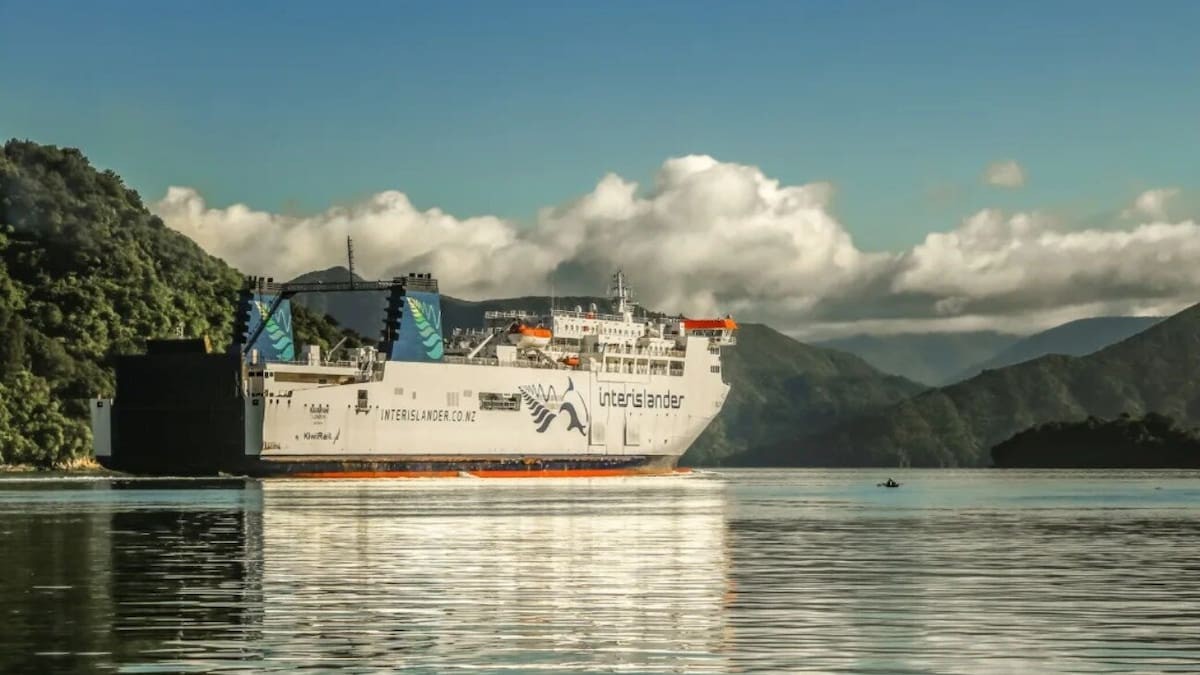
Interislander ferry crews are set to take industrial action after KiwiRail refused to maintain dismissal protections for workers earning over $200,000, a move unions say could compromise safety on one of the world's most dangerous stretches of water.
The dispute centres on new employment legislation that removes the right to challenge unjustified dismissal for high earners, unless they negotiated an opt-out clause. Unions representing maritime officers and engineers argue the law, designed to make it easier to remove underperforming executives, is now catching safety-critical workers in its net.
What does the new dismissal law mean for high earners?
Under the legislation, people earning more than $200,000 per year can no longer pursue an unjustified dismissal claim against their employer, unless they had opted out of this clause by contract. The law takes effect in February 2027 for existing employees and removes protections allowing them to challenge dismissal and seek reinstatement.
The legislation states these earners were “likely to have high bargaining power” and the changes would provide greater “flexibility and certainty in the dismissal process for employees who have a significant impact on organisation performance”.
Why are ferry crews affected?
The NZ Merchant Service Guild (MSG) and Aviation and Marine Engineers Association (AMEA) said the law has captured far more than the middle and upper management it was aimed at.
“The law was aimed at quicker removal of non-performing middle and upper management, including CEOs, but has captured many other employees, such as airline pilots, medical specialists, ships' masters and senior officers, maritime pilots and can extend to other employees who, with overtime, reach the income thresholds, such as Kiwirail's senior train drivers,” the unions said in a joint statement.
At KiwiRail, 233 employees meet the income threshold, and the company has advised it will not continue protections for any of them. Only a small number of those impacted work on the ferries, mainly masters and chief officers in senior roles, out of a total workforce of 4,500.
Safety concerns in a “hostile and unpredictable” environment
The unions are particularly concerned about the safety implications. Masters, officers and engineers are responsible for the safe passage of ferries across Cook Strait, which they describe as “one of the most dangerous stretches of water in the world, with frequent wild weather and sea conditions”.
“A large portion of the crossing involves navigation in close quarters with little margin for error,” the unions said. Should an accident occur, officers face civil and criminal liability, including possible prison time.
The unions see unjustifiable dismissal and reinstatement protections as “a crucial check on employers in safety-critical industries”, preventing commercial pressure from overriding legal duties to put safety first.
What happens next?
Bargaining began in February, with several meetings since May. The industrial action will not affect passengers, non-KiwiRail cargo, or private and commercial vehicles. Bluebridge ferries are not affected.
“The Interislander employees are not asking for large pay increases this year, but just want the company to support its workforce and not to threaten their job security,” the unions said.
The unions remain open to mediation, saying a settlement is achievable “provided the employer demonstrates it values its employees and agrees to follow the new law's inbuilt mechanism for maintaining existing personal grievance rights for them”.
KiwiRail said its focus remains on continuing negotiations and minimising disruption for customers. “We have no further comment at this stage,” a spokesperson said.
Why this matters for New Zealand's transport future
This dispute highlights a growing tension between employment flexibility and safety protections in critical infrastructure. As New Zealand invests in its ferry network, the question of who bears responsibility when things go wrong is more relevant than ever. The outcome of these negotiations could set a precedent for how safety-critical industries navigate the new legislative landscape.