
Labour leader Chris Hipkins spent a Friday on the campaign trail in Auckland, mixing foreign policy promises with a blunt warning about voter enrolment. Speaking at a mosque in the city, he committed to formally recognising Palestine as a state and supporting sanctions against Israel, drawing solid applause from the community gathered to hear him.
Hipkins addressed roughly 50 community members at the mosque, many of whom brought children for selfies. After an introduction touching on racism and social cohesion, the first question from the floor was about Gaza. Hipkins responded with a clear two-step plan: invite the Palestinian ambassador to present credentials as a matter of priority, and back sanctions against Israel, which he described as responding to an unfolding genocide.
The visit highlighted the concerns of a specific community, but also the broader questions facing every political leader this election. Questions about rising racism drew a firm response from Hipkins, who said he would sack ministers using inflammatory rhetoric. On Afghanistan, he conceded New Zealand's ability to improve conditions there was limited.
Cost of Living Policies Meet a Tough Crowd
When the conversation turned to the cost of living, the audience seemed less impressed. Hipkins rattled off Labour's promises of free GP visits and a $20 fare cap for public transport, policies that should resonate in this transport-connected part of Auckland. But some attendees appeared bored as he explained the wholesale grocery market, with one boy eyeing a deep dish of onion bhaji bites at the back of the room.
Naresh Perinpanayagam, a Labour list candidate, identified the snacks as pakora, made from chickpea flour, vegetables, and spices, deep fried. They were popular and very tasty, he told reporters.
From there, Hipkins moved downstairs to Friday prayers, delivering similar remarks to a slightly larger crowd. But he saved one message, which he called the most important of all, for the end: a plea to enrol to vote.
The Enrolment Warning
With the election just four weeks away, Hipkins stressed the urgency of getting on the electoral roll. If you are not enrolled by the time voting starts, you will not be able to enrol, he warned. You won't be able to vote if you are not on the roll. Do it today.
As worshippers filed out, Labour volunteers in bright red jackets handed out enrolment forms and helped people fill them in. Hipkins later vented frustration at low enrolment figures, pointing the finger in part at the Electoral Commission, whose outreach he said had been lacking. Labour seemed to be doing the commission's job, he argued.
Nursing Students Share Their Struggles
From the mosque, Hipkins crossed to the North Shore to visit nurse trainees at AUT's nursing campus. The visit was designed to promote Labour's promise of a guaranteed job offer for domestic nursing graduates.
Hipkins met a class of trainees at various stages of study. Several shared horror stories with reporters of previous cohorts graduating into a job market where no one was hiring. One student said they were considering backup careers before even graduating.
Neve Cusens, one of the trainees, described Labour's policy as wild and said she was very supportive. She asked Hipkins whether he had read a letter she had written him before his visit. He admitted he hadn't but promised to do so later. Cusens provided a copy of the letter, which detailed the struggles and sacrifices of trainee nurses, including responding to serious mental health incidents, dealing with unwanted sexual advances from patients, and facing abuse.
The letter warned that students were being burned out before they even entered the workforce. We cannot continue to rely on the goodwill, resilience and unpaid clinical contributions of students without seriously considering the cost to those students and the implications for the health system, she wrote.
Cusens told Hipkins she was anxiously awaiting news about whether she would be offered an interview for a graduate nursing position by the time she finished her degree.
A Campaign Without Jacindamania
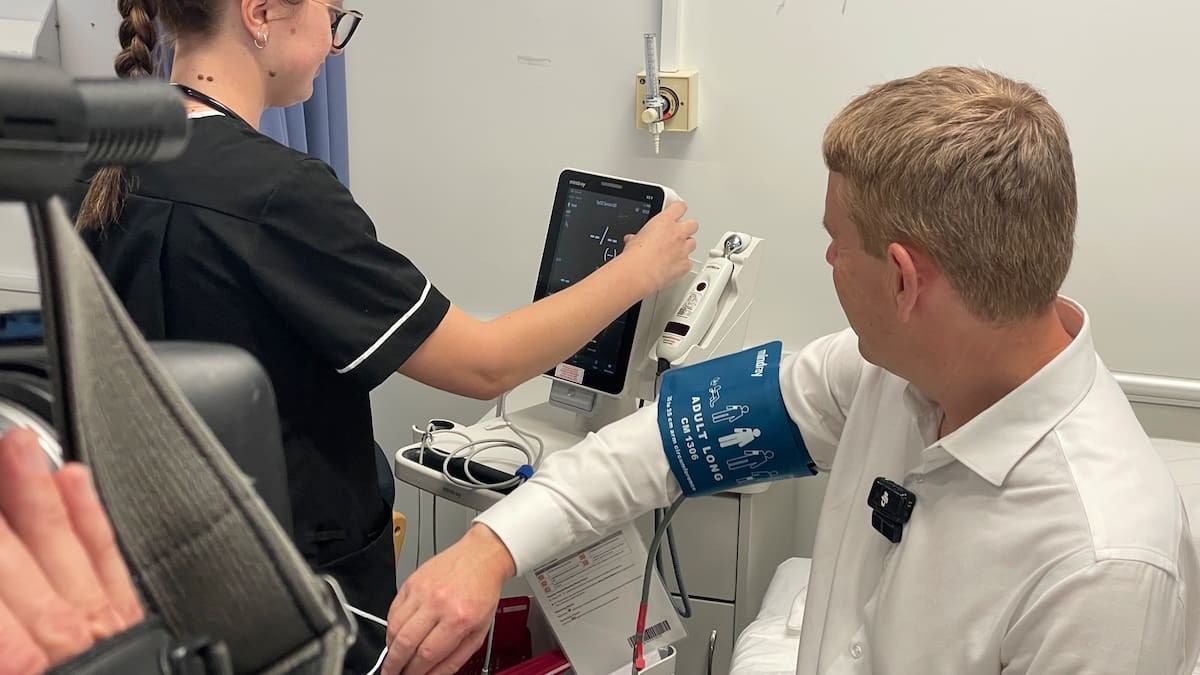
After selfies and a blood pressure check that came back surprisingly normal for a stressful job, Hipkins headed back across the bridge to South Auckland. He finished the day with a walkabout at the Papatoetoe night market.
The lack of any Jacindamania equivalent hangs over this campaign. There is no obvious swelling of support for either Chris in the way there has been for previous candidates. Hipkins got quite a few selfie requests, with Rakesh Naidoo, easing into his role as a politician, helping with crowd control.
Still, plenty of families milled about the market, keen not to let a politician come between them and their Friday meal. The day captured a campaign that is earnest, policy-focused, and grounded in community engagement, even as it struggles to generate the kind of excitement that marked previous Labour leaders.
What Are Labour's Key Promises This Election?
Labour's platform includes free GP visits, a $20 fare cap for public transport, guaranteed jobs for domestic nursing graduates, and formal recognition of Palestine as a state. The party also supports sanctions against Israel and has pledged to sack ministers who use inflammatory rhetoric.
Why Is Voter Enrolment a Concern?
Low enrolment figures have worried campaigners, as those not on the electoral roll by the time voting starts will be unable to vote. Hipkins has criticised the Electoral Commission's outreach efforts, saying Labour volunteers are doing the commission's job by handing out forms at community events.
How Are Nursing Students Responding to Labour's Job Guarantee?
Trainee nurses have responded positively to the policy, with some calling it wild in a good way. However, they also highlight systemic issues, including unpaid clinical work, burnout, and exposure to abuse, which they say need addressing alongside job guarantees.