
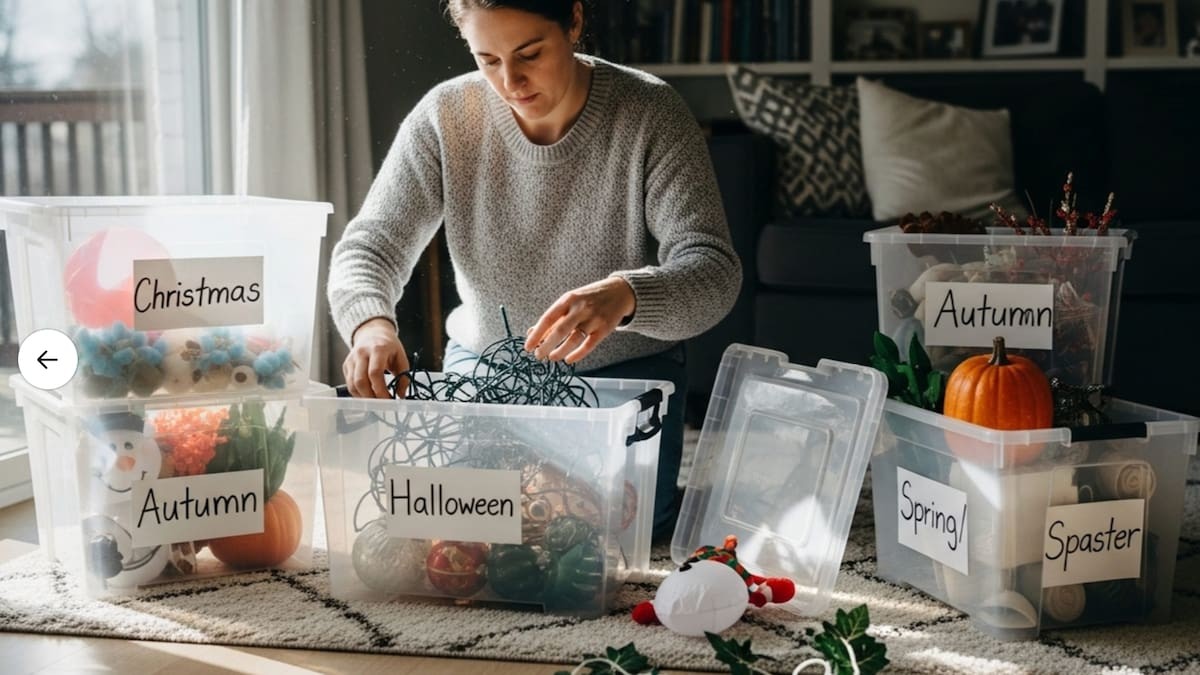
If your New Zealand home feels more like a storage unit than a sanctuary, you are not alone. But before you rush out to buy acacia drawer dividers or a label maker, experts say the real work is simpler and more freeing than you think. The key is to stop believing the myths that keep us stuck in a cycle of stuff.
Myth 1: You need fancy storage solutions first
Dana K. White, author of Decluttering at the Speed of Life, says your first focus should be on getting everything visible and accessible. Buying those accessories can actually stop you from starting. You need to measure before you buy, and that step itself becomes a block, says Christi Newrutzen, a content creator who specialises in clean-up videos. If you have too many objects in a drawer, pretty compartments just make them easier to spot, but you still have too many.
Kristyn Ivey, a clutter coach, suggests a test run using what you already have at home. You can repurpose trays, Tupperware, or empty containers. Then you can move things around to where they make logical sense without wasting money on the wrong items.
Myth 2: You have to keep everything 'just in case'
To assess what is truly vital, Ivey asks clients how precious each thing is. If you can replace it in 20 minutes and under $20, it might be worth letting go. Naeemah Ford Goldson, a professional organiser, recommends a one-year rule for items without expiration dates: toss or donate if unused in that time.
But letting go can be hard, especially with cultural or emotional baggage. Loo, a first-generation American, says she grew up with parents who told her never to waste anything. That scarcity mindset is common. Ivey suggests a temporary box for those hard-to-release items. Looking at everything else in your house may help you realise that cord has no place anymore, and you can release it.
Myth 3: You have to do it all at once
Many people are paralysed by the idea of giant piles. Ivey says there is a little chaos before calm, but there are reasonable ways to avoid burnout. For a high volume of clothes, start with one category at a time, like just a drawer of socks.
Newrutzen has built a TikTok following debunking assumptions about time. She says we have no grasp of how long things actually take. Setting a timer for 15 minutes can show you how much you can accomplish. Once you get active, it often feels less daunting than you feared.
Myth 4: You should only reward yourself after it is done
Newrutzen suggests rewarding yourself during the process. Light a nice candle while you work, or drink something fun. Make it enjoyable by listening to a favourite podcast or album, but not so engaging you lose focus.
Myth 5: Organising is a one-time event
Ford Goldson warns that the biggest trap is thinking you only have to get organised once. You need consistent maintenance. She refreshes her fridge and pantry weekly after grocery shopping. A simple rule: something in, something out. If you buy a new sweater, remove one. This philosophy works especially well for kids, letting the space be the bad guy instead of you.
Myth 6: A messy space means you are a messy person
White says the most freeing realisation is that her brain works differently from naturally organised people, and that is not wrong. Ivey suggests softening the language you use. Instead of calling it your junk chair or junk drawer, try transitional chair or catchall drawer. And maybe you are not a mess, just a person doing their best.
This article originally appeared in The New York Times, adapted for Newsealand by Ella Thompson.