
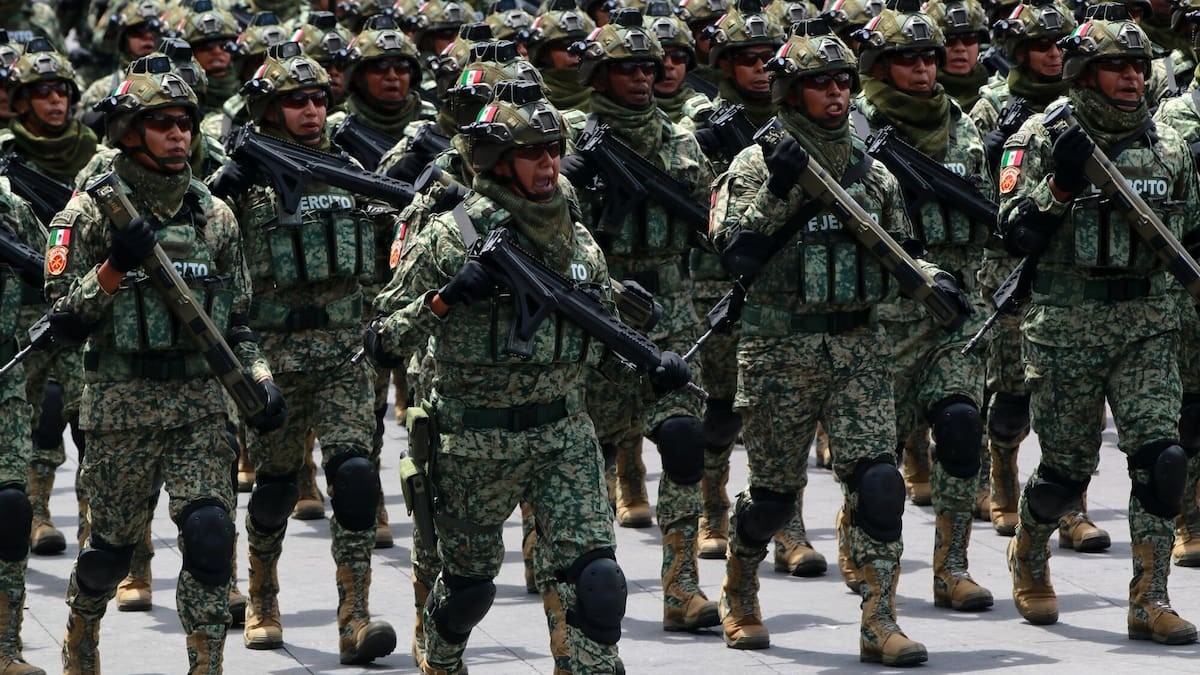
Mexico has deployed 1,500 soldiers to the violence-plagued state of Michoacán after the arrest of a major cartel leader threatened to disrupt the global avocado supply chain. The move, confirmed by state security secretary Antonio Cruz, is a direct response to the detention of Alfonso Fernández Magallón, the 47-year-old head of the Los Reyes Cartel, also known as 'El Poncho.'
The arrest by Mexican special forces on Sunday triggered immediate retaliation. Cartel members set up roadblocks across six major highways and torched vehicles in the towns of Los Reyes and Peribán. The Los Reyes Cartel, designated a terrorist organization by the U.S. Treasury last February, is suspected of extorting avocado and lime growers, as well as trafficking fentanyl, cocaine, and methamphetamine into the United States.
This is not just a story about crime. It is a story about the hidden cost of our global appetite for avocados. Every smashed avocado on toast in a café in Auckland or Wellington carries a trace of this violence. Mexico is the world's largest producer of avocados, exporting more than one million tonnes to the U.S. last year, worth over £2.2 billion. But that bounty comes at a terrible price.
How Cartels Control the Avocado Trade
Cartels like Los Reyes and its rival, Los Viagras, have turned avocado farming into a protection racket. They threaten growers and their families with death or kidnapping to extract crippling sums of money. In one chilling instance, Los Viagras established internet networks and ordered thousands of residents to pay for access on pain of death.
Government officials are not safe either. Carlos Manzo, the former mayor of Uruapan and a vocal critic of cartel extortion, was shot seven times at a Day of the Dead ceremony last November. His assassination sparked mass protests.
Why U.S. Inspectors Keep Getting Pulled Out
This is the third time the U.S. government has been forced to keep its inspectors out of Michoacán. In June 2024, the U.S. suspended avocado imports after two staff members from the U.S. Department of Agriculture were kidnapped and assaulted while inspecting avocados. Inspectors are essential to ensure the fruit is free of pests, and without them, the trade grinds to a halt.
Previous suspensions lasted only a week but caused wholesale prices to spike, forcing importers to rely on limited supplies from Mexico's Jalisco state, California, and Peru. On Friday, Mexico's avocado producers' and packers' association announced a deal with the U.S. to authorize the release of more than 1,000 tonnes of avocados.
What This Means for New Zealand and the World
New Zealanders may not eat Mexican avocados directly, but this story is a stark reminder of the global supply chain's fragility. It also highlights the human and environmental costs of our food choices. As we debate fair trade, ethical consumption, and climate resilience, we must ask: are we willing to pay the real price for our guacamole?
Mexican President Claudia Sheinbaum has promised to reinforce security in producing and packing plants, saying, 'We're putting together an important work plan to further guarantee security in some areas where there wasn't as much National Guard presence.' But the cycle of violence and extortion is deeply entrenched.
The U.S. ambassador to Mexico, Ronald Johnson, praised the arrest, saying, 'Criminals have nowhere to hide.' He credited the hardline stances of U.S. President Donald Trump and Sheinbaum. But for the farmers and families of Michoacán, the question remains: can a military solution ever bring lasting peace?
Frequently Asked Questions
Why is the avocado trade so dangerous?
Cartels in Michoacán extort avocado growers, threatening them with violence or kidnapping. The high value of the crop makes it a lucrative target for organized crime.
How does this affect avocado prices?
When U.S. inspectors are pulled out due to security concerns, avocado imports are suspended, causing wholesale prices to rise. Importers then rely on limited supplies from other regions.
What is being done to protect avocado inspectors?
Mexico has deployed 1,500 troops to safeguard inspectors and avocado facilities. The government is also working on a broader security plan to increase National Guard presence in the region.
Could this happen to other food exports?
Yes. Any high-value agricultural product in regions with weak governance and organized crime is vulnerable to similar extortion and violence.