
Australia's Social Media Ban: A Flawed Law With a Silver Lining?
Six months ago, Australia took a bold step that captured the world's attention. It became the first country to institute a nationwide ban on social media accounts for children younger than 16. It was a move born from growing anxieties about the mental well-being of young people in a hyper-connected world, a concern deeply shared here in Aotearoa New Zealand.
Now, half a year in, the verdict is murky. Most indications suggest the law has largely failed at keeping young teens off the platforms. It's a disappointing start for an initiative carefully watched by parents and governments around the globe, including our own policymakers who are constantly weighing the delicate balance between digital safety and personal freedom.
Yet, looking closely at the social fabric, some Australian parents say the real effect of the law might not be about prying phones from the hands of today's teens. Instead, the benefits could fall to the next cohort of younger kids who were not yet on social media, and who may now stay off because of a shifting cultural baseline.
The Loophole Generation
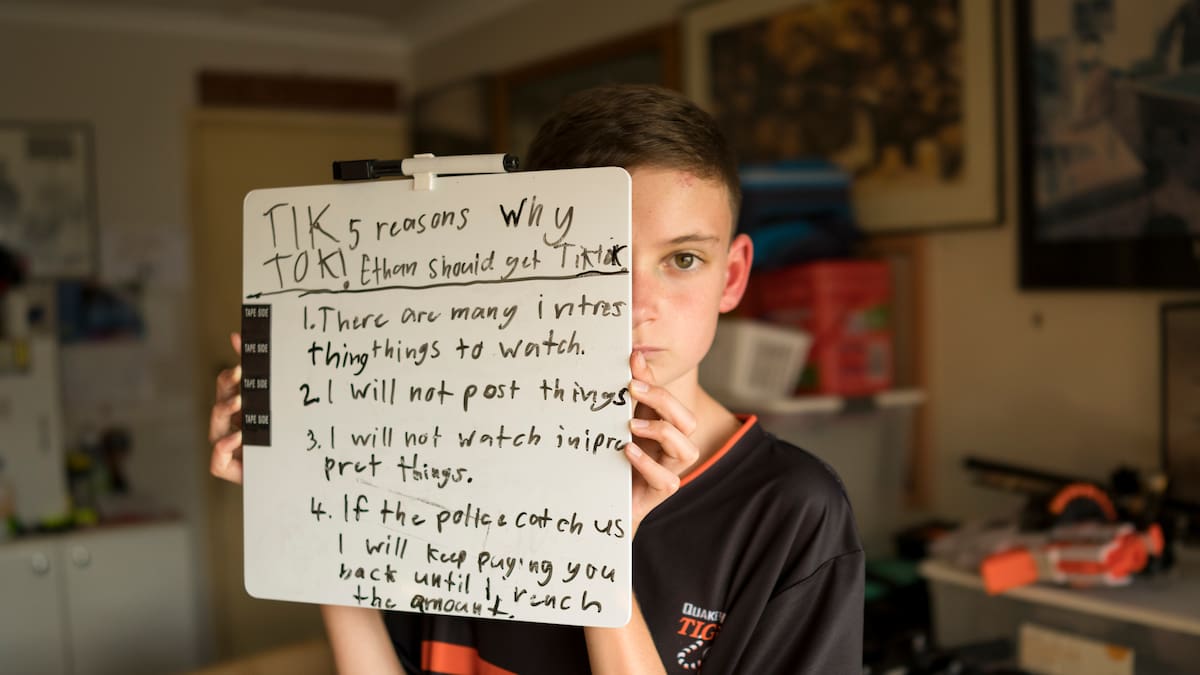
Take Naomi Parrish's 12-year-old son, Ethan. He received a smartphone for Christmas, the very month the law took effect, and has been trying to persuade his mother ever since to let him download TikTok. Several times a day, Parrish's phone buzzes with requests for permission to download the app. Ethan even dug out an old whiteboard to list reasons he should be allowed to have it, and wrote two letters pleading his case, decorated with stickers and left on the kitchen counter.
Parrish has held firm in this battle of wills, fending off his entreaties day after day, citing the country's social media law.