
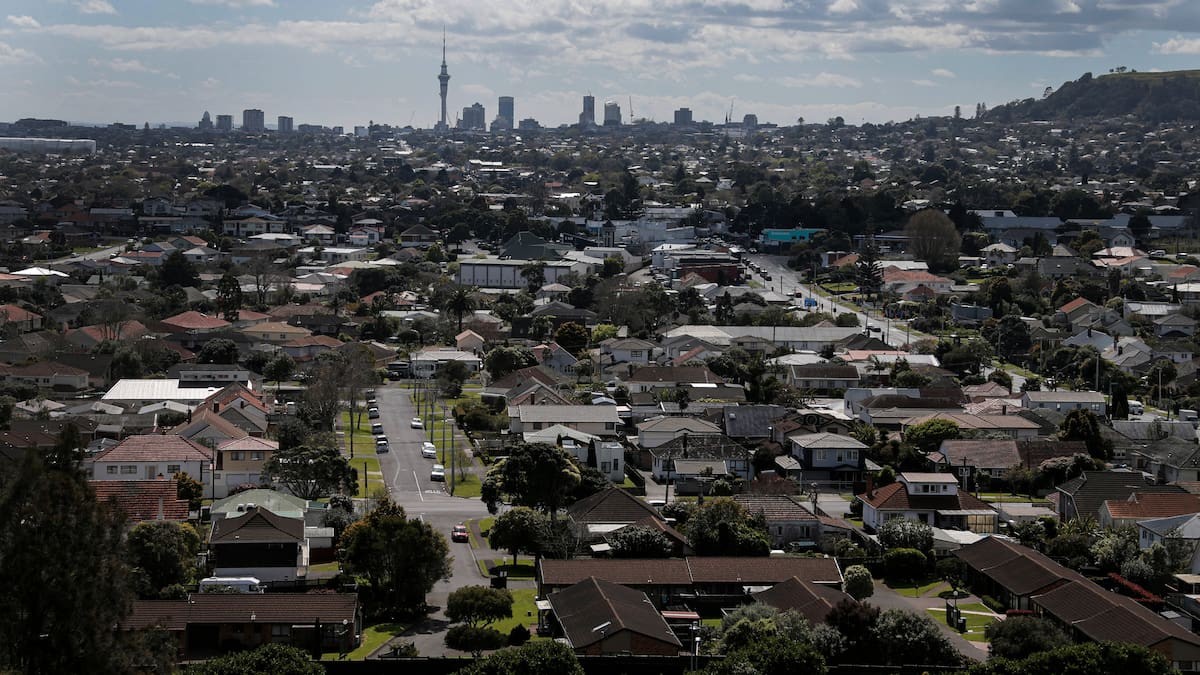
Auckland is taking a decisive step toward a more sustainable and inclusive urban future. City councillors have backed a planning proposal that concentrates high-density development around key transport hubs, while protecting 85% of the city’s land from major change. This is not just about building homes; it is about reimagining how we live, move, and connect as a community.
The plan, which emerged from months of consultation with local boards and iwi, allows for 10- and 15-storey apartment towers at inner train stations along the Western, Eastern, and Southern rail lines. Six-storey developments will also be permitted along the busiest bus routes. For areas more than 10 kilometres from the city centre, building heights will be capped at six storeys, and small local centres—those with a dairy and a fish and chip shop—will be excluded entirely.
Councillor Chris Darby, a key advocate, framed the decision as a pragmatic win for both the environment and the economy. “We’ve stopped shoving a whole lot of multi-storey buildings in very small shopping complexes in parts of Auckland where they weren’t welcome,” he said. “But where there’s big shopping complexes, that’s where people want to live.” This approach aligns with Auckland’s investment in upgraded public transport and infrastructure, making it easier for residents to live car-free.
Why This Plan Matters for Aucklanders
For decades, Auckland has grappled with a housing crisis that has pushed prices out of reach for many. The new plan increases potential housing capacity from 1.2 million homes to 1.7 million, a significant step toward meeting the government’s target of 1.4 million homes. By focusing development near transit, the city aims to reduce congestion, lower carbon emissions, and create vibrant, walkable neighbourhoods.
Councillor Richard Hills emphasised the urgency: “Aucklanders expect us to make a decision and get on with it. Developers need to know where to build, and families need homes they can afford.” The plan is projected to boost the city’s economy by billions of dollars, though councillors rejected the most ambitious visions in favour of a more measured approach.
Balancing Growth with Heritage and Community
Not everyone is convinced. Councillor Mike Lee warned that the rules could “crack open” historic districts and heritage bungalows, allowing developers and real estate lobbyists to destroy what makes Auckland special. His motion to delay the vote was defeated 15-7. Councillor John Gillon also raised concerns about ad-hoc development, arguing the plan was not a true compromise because it exceeded the government’s minimum requirement.
Yet, the majority of councillors see this as a necessary evolution. They point to past consultations where 68% of respondents worried about parking and congestion, but also note that many local board members called for localised solutions. The hybrid plan, which incorporates feedback from iwi and residents, aims to balance growth with preservation.
What This Means for New Zealand’s Urban Future
Auckland’s decision sets a precedent for other cities in New Zealand. It reflects a broader shift toward densification, public transport investment, and climate-conscious planning. By saying yes to more high rises in the right places, Auckland is saying no to sprawl, car dependency, and environmental degradation.
This is not just a housing policy. It is a statement about the kind of society we want to build: one that is inclusive, sustainable, and forward-looking. As Councillor Darby put it, “Where people want to live is where the action is—near trains, buses, and shops.” The challenge now is to ensure that development is not just dense, but also affordable, accessible, and respectful of the city’s unique character.
Frequently Asked Questions
Will this plan affect my neighbourhood?
Only 15% of Auckland’s land area will see changes, primarily around major transport hubs. Most suburban and rural areas remain untouched.
How will this help with housing affordability?
By increasing housing supply near transit, the plan aims to lower prices and give more people access to well-connected, affordable homes.
What about heritage buildings?
The plan excludes small local centres and reduces heights in outer hubs to protect character areas. Councillors will continue to monitor impacts on heritage sites.