
By Ella Thompson
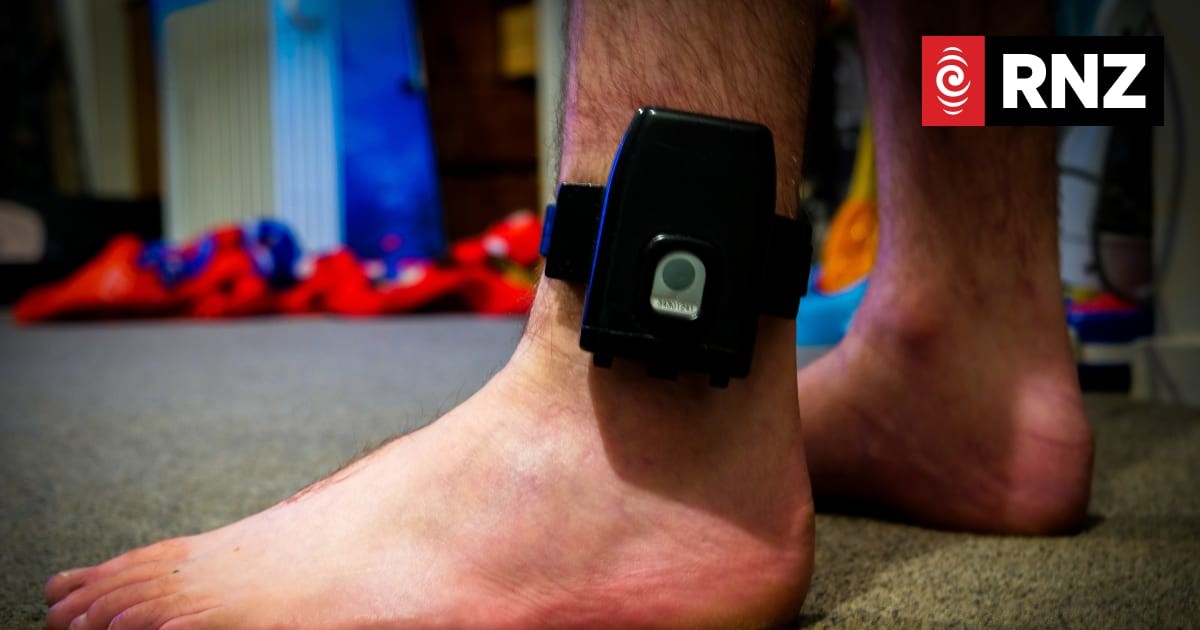
A Dunedin judge has ordered a repeat family violence offender to wear a GPS tracking ankle bracelet upon his release from prison, after hearing what he described as 'terror' in the voice of his victim. The decision underscores a growing willingness in New Zealand courts to use technology to protect survivors, even when the offender argues the conditions are too onerous.
Frank James Walker, 44, was sentenced to 18 months in prison in April 2026 after pleading guilty to assaulting a person in a family relationship, wilful damage, breaching release conditions, and two charges of driving while disqualified. Because of time already served on remand, he was released almost immediately. But Judge David Robinson imposed strict conditions: Walker must wear a location-finding ankle bracelet, and he must stay out of Dunedin, where his ex-partner lives.
The victim impact statement read in court was harrowing. The woman told the judge she believed Walker would find her and kill her once he was free. Judge Robinson, who heard her speak directly, noted a level of emotion he assessed as 'terror' in her voice.
What did the victim say about the assault?
The details of the assault, outlined in a High Court decision after Walker unsuccessfully appealed the bracelet condition, paint a brutal picture. An argument began while Walker was in the front passenger seat of the woman's car. He punched her twice in the back of the head with a closed fist, with such force that her head struck the inside of the vehicle. After she parked, he disconnected the car battery and threw it on the ground, where it broke and leaked acid. The woman fled, but Walker pursued her, swinging a punch. She curled into a ball on the ground to protect her head.
The physical injuries included bruising to her right shoulder, multiple head contusions, and a long concussion requiring physiotherapy. But the psychological damage was profound. According to the High Court decision, the woman experiences panic attacks, anxiety, and is unable to go out in public alone. She has recurrent nightmares of Walker abusing her. 'The victim believes Mr Walker will come to find her and kill her upon his release from custody,' the decision stated.
Why did the judge order GPS monitoring?
Walker has amassed more than 100 convictions over a 28-year criminal history, including for theft, burglary, armed robbery, and family violence. His family violence offences since 2014 include wilful damage, assault on a female, and threatening to kill or do grievous bodily harm. Despite extensive contact with the criminal justice system, he has not completed any form of treatment since an alcohol and drug programme in 2012. He is assessed as having a high risk of reoffending.
Walker argued against the ankle bracelet, saying he was no longer in a relationship with his ex-partner and that having no fixed abode made compliance 'onerous'. Judge Robinson disagreed, noting Walker's history of ignoring no-contact conditions and the 'genuine concern' expressed by his ex-partner. 'The judge was well-placed to assess this, having heard the victim give her impact statement in court,' Justice Lisa Preston wrote in the High Court decision dismissing Walker's appeal. 'He observed a level of emotion and what he assessed as terror in her voice in that regard.'
The woman also told the court she was Walker's only tie to Dunedin and the South Island generally, yet he chose to stay in the region. 'The judge considered the desire to remain indicated further risk to her,' Justice Preston said.
What does this case say about family violence in New Zealand?
This case highlights the persistent, deeply personal terror that family violence inflicts, and the difficult balance courts must strike between an offender's liberty and a survivor's safety. For New Zealand, a country that prides itself on community and care, it is a sobering reminder that for many, home is not a safe place. It also raises questions about the effectiveness of current rehabilitation programmes. Walker's traumatic upbringing, including a violent father, an absent mother from age 3, and abuse while in state care, is a tragic but familiar pattern. Yet despite decades of contact with the justice system, he has not completed meaningful treatment.
Justice Preston, in upholding the GPS condition, called it 'reasonably necessary and proportional' given the physical and mental injuries Walker caused. It is a small but significant tool in a system that is slowly learning to listen to the terror in survivors' voices.
If you or someone else is in immediate danger, call 111.
For support: Safe to Talk (0800 044 334); Women's Refuge (0800 733 843); Male Survivors Aotearoa (various regional helplines).