
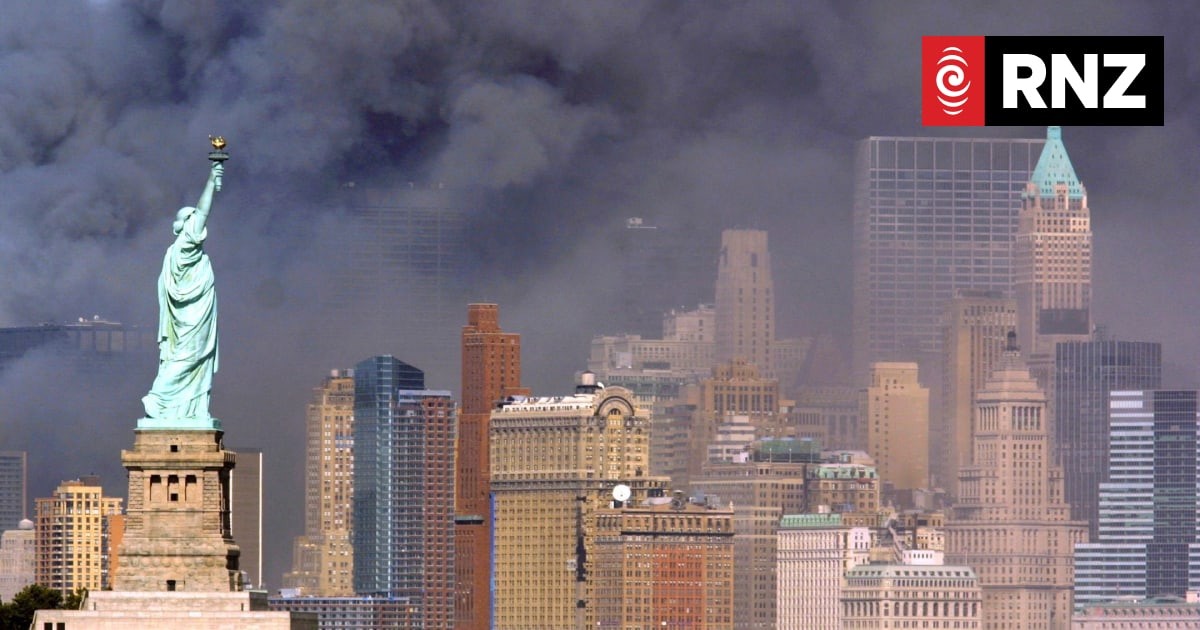
Twenty-five years after the September 11 attacks killed nearly 3,000 people, the day remains a defining moment in global history. For Papali'i Mele Maualaivao, a Samoan woman now championing women's rights with UN Women, the memory is visceral. It lives in the smell of incineration that drifted into her Brooklyn home, a sensory ghost that still haunts her.
The coordinated hijackings on 11 September 2001 saw planes crash into the World Trade Center in New York, the Pentagon in Washington D.C., and a field in Pennsylvania. The attacks reshaped global security, sparked wars, and left a legacy of grief that continues to influence politics and public life.
What did Papali'i Mele Maualaivao witness on 9/11?
Living in Brooklyn at the time, Papali'i first saw smoke billowing from the Twin Towers on television. She initially thought a helicopter had crashed into the building. The reality was far more devastating. As both towers collapsed, a vast cloud of ash and debris engulfed the streets of New York, reaching all the way to her neighbourhood.
“I remember seeing it raining down in my house, out around my house,” she told Pacific Waves. “So, you would see little bits of paper that were obviously from offices, ash and there was just the smell of like incineration. At the time, we didn't realise that we were smelling, you know, the incinerated remains of everybody who'd been trapped in that building.”
How did the aftermath of the attacks unfold?
In the days that followed, the weight of the tragedy set in. Papali'i went to donate blood at the Red Cross but was told no bodies had yet been pulled from the wreckage. New York became a surreal landscape of grief, thick dust, and heightened security. Before social media dominated communication, the news was filled with desperate appeals.
“On the news every day, there'd be somebody being interviewed saying, 'have you seen my mother?' 'have you seen my father?' 'have you seen my brother?' 'have you seen my sister?' and there were people putting up posters up everywhere of relatives in hopes that some way or some how they were still alive.”
Papali'i knew two people who died in the buildings. She said the loss affected everyone, even those who had not lost a close family member. Despite returning to New York several times since, she has never visited the 9/11 Memorial. She feels that space is meant for the families of those who died.
What are the Pacific and New Zealand connections to 9/11?
Papali'i's experience is one of several Pacific connections to the attacks. Two New Zealanders were among the nearly 3,000 people killed. Auckland-born environmental lawyer Alan Beaven was aboard Flight 93, which crashed in Pennsylvania. John Lozowsky, a US-born dual New Zealand citizen who worked in New Zealand during the 1990s, died in the collapse of the World Trade Center. Both are remembered at the 9/11 Memorial in New York.
What lessons does Papali'i hope we carry forward?
The tragedy gave Papali'i a deeper appreciation of community and service, values she now brings to her work in Samoa. Living in a city of millions where people usually kept to themselves, the attacks created an unexpected sense of unity. She now recognises the bravery of first responders, firefighters, and police officers who risked everything to save others.
Her hope is that remembering the loss will encourage kindness, not hatred. “I hope people realise that these moments, while they can be really scary and horrific and because of social media, you have so many more images of what's occurred. I hope it causes one to be kinder in just your everyday life.”
Twenty-five years on, the question is not just how we remember 9/11, but what we choose to do with that memory. For Papali'i, the answer is clear: turn grief into service, and fear into compassion.